
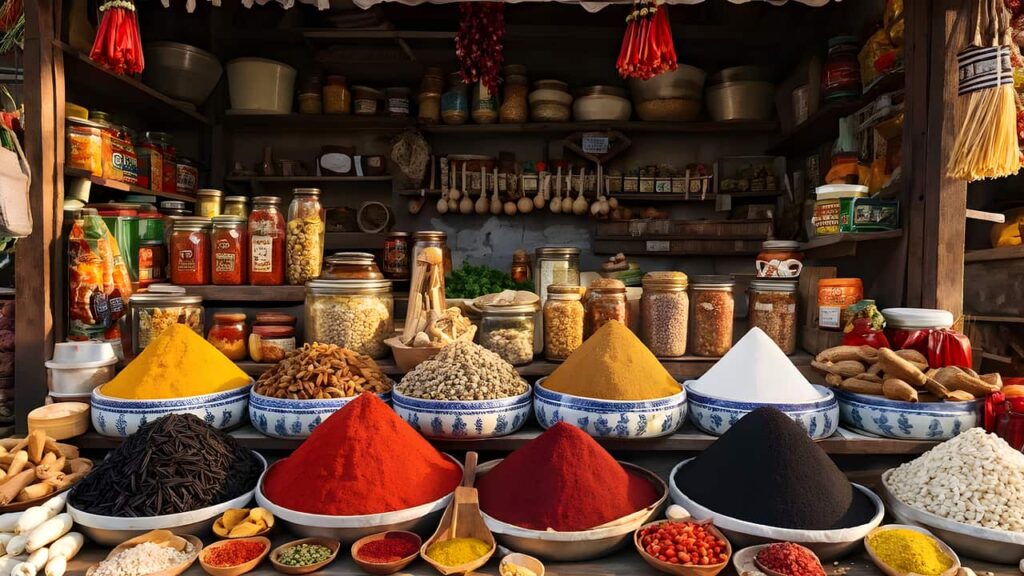
One of the biggest concerns new TEFL teachers have before moving abroad is simple: How much is everyday life actually going to cost? While rent, transportation, and entertainment all matter, food is often the expense that surprises people the most.
The good news? In many of the destinations where myTEFL graduates teach, eating well doesn’t have to be expensive. In fact, learning how locals shop, cook, and eat can save you hundreds of dollars each month while helping you immerse yourself in the culture. Whether you’re heading to Thailand, South Korea, Cambodia, or another exciting destination, these budget food hacks will help stretch your paycheck while enhancing your experience abroad.
1. Stop Shopping Like a Tourist
One of the fastest ways to overspend abroad is by sticking to international supermarkets and imported foods.
When you first arrive, it can be tempting to fill your cart with familiar brands from home. However, imported cereals, snacks, cheeses, and beverages often cost two to five times more than local alternatives.
Instead, spend your first few weeks exploring neighborhood markets and local grocery stores. Not only will prices be significantly lower, but you’ll quickly discover staples that local residents rely on every day.
For example:
- In Vietnam, fresh produce and herbs are often available for a fraction of Western prices.
- In Thailand, local markets frequently offer ready-made meals for less than the cost of cooking yourself.
- In Taiwan, neighborhood fruit vendors often sell seasonal produce much cheaper than large supermarkets.
- In Costa Rica, shopping at local farmers’ markets can dramatically reduce grocery costs compared to tourist-oriented stores.
A good rule of thumb: if the packaging is entirely in English, you’re probably paying a premium.
2. Make the Local Lunch Your Biggest Meal
Many first-time teachers continue eating abroad the same way they did at home—grabbing expensive dinners or ordering takeout after work.
Instead, take advantage of local lunch specials.
In many TEFL destinations, lunch is often the most affordable meal of the day. Restaurants, cafeterias, and street vendors frequently offer discounted lunch sets that include rice, vegetables, soup, and protein.
Not only are these meals cheaper, but they’re often fresher and more authentic than what you’ll find in tourist districts later in the evening.
Many experienced teachers develop a routine:
- Large local lunch
- Light homemade dinner
- Snacks and fruit throughout the day
This simple adjustment can noticeably reduce your monthly food spending.
3. Learn Five Cheap Local Dishes
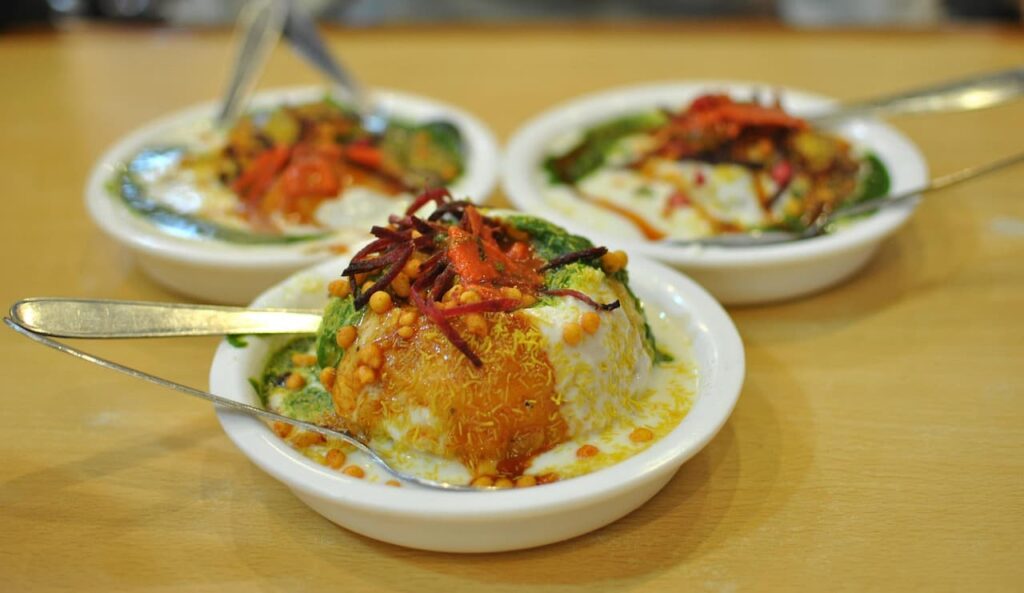
You don’t need to become a master chef abroad.
Instead, learn how to make five inexpensive local meals using ingredients available in your new country.
This approach has several benefits:
- Ingredients are easy to find
- Recipes are usually built around affordable staples
- You avoid expensive imported ingredients
- Cooking becomes much less intimidating
For example, a teacher living in Thailand might learn simple fried rice, stir-fried vegetables, noodle dishes, soups, and omelets. Someone teaching in Costa Rica may become familiar with rice-and-bean-based meals that are both filling and inexpensive.
Learning a few local recipes also creates opportunities to connect with coworkers and neighbors who are often happy to share cooking tips. Websites like Budget Bytes offer simple, low-cost recipes that can easily be adapted using local ingredients found abroad.
4. Embrace Street Food (Smartly)

Street food is one of the greatest budget advantages in many TEFL destinations.
Countries such as Thailand, Vietnam, Cambodia, Taiwan, and parts of Latin America have vibrant street-food cultures where fresh meals can often cost less than a coffee back home.
That said, smart choices matter.
Look for vendors who:
- Have long lines of local customers
- Prepare food fresh in front of you
- Maintain clean cooking areas
- Have high turnover of ingredients
A busy food stall serving locals is often a better choice than an empty tourist restaurant charging triple the price.
5. Buy Seasonal Produce
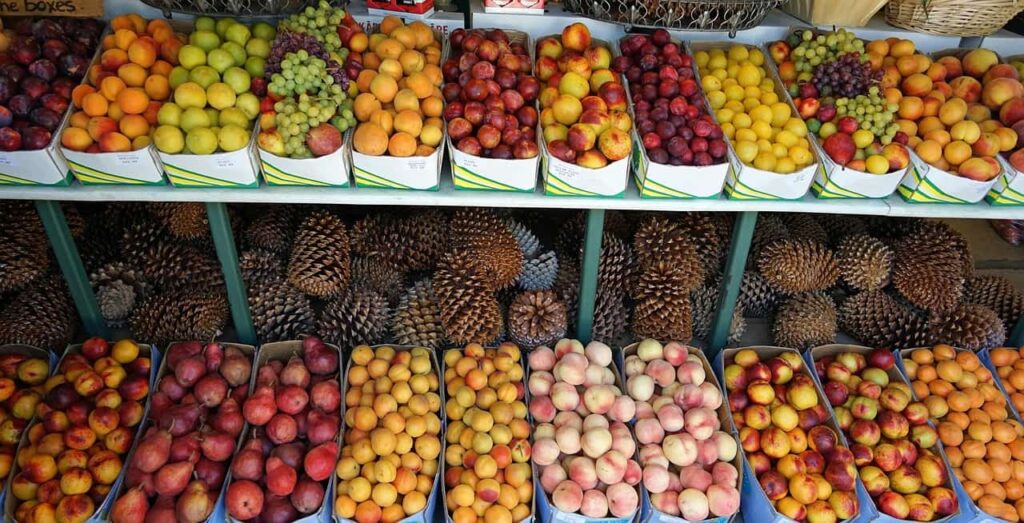
One mistake many travelers make is trying to eat the same fruits and vegetables year-round.
Seasonal produce is usually:
- Cheaper
- Fresher
- Better tasting
- More environmentally friendly
When mangoes are in season in Southeast Asia, they’re often incredibly affordable. The same goes for local bananas, papayas, dragon fruit, pineapples, and other regional specialties.
Rather than building grocery lists around specific items, shop based on what’s abundant that week.
Your wallet—and your taste buds—will thank you.
6. Bring Lunch to School
Many teachers underestimate how much daily lunches add up over time.
Even if local food is inexpensive, buying lunch every single workday can become a significant monthly expense.
Packing simple meals a few days per week can save a surprising amount of money.
Some easy options include:
- Rice bowls
- Sandwiches
- Pasta salads
- Leftovers from dinner
- Fruit and yogurt
The savings might seem small each day, but over a full teaching contract, they can easily fund weekend trips, language classes, or extra travel adventures.
7. Join the Local Food Culture
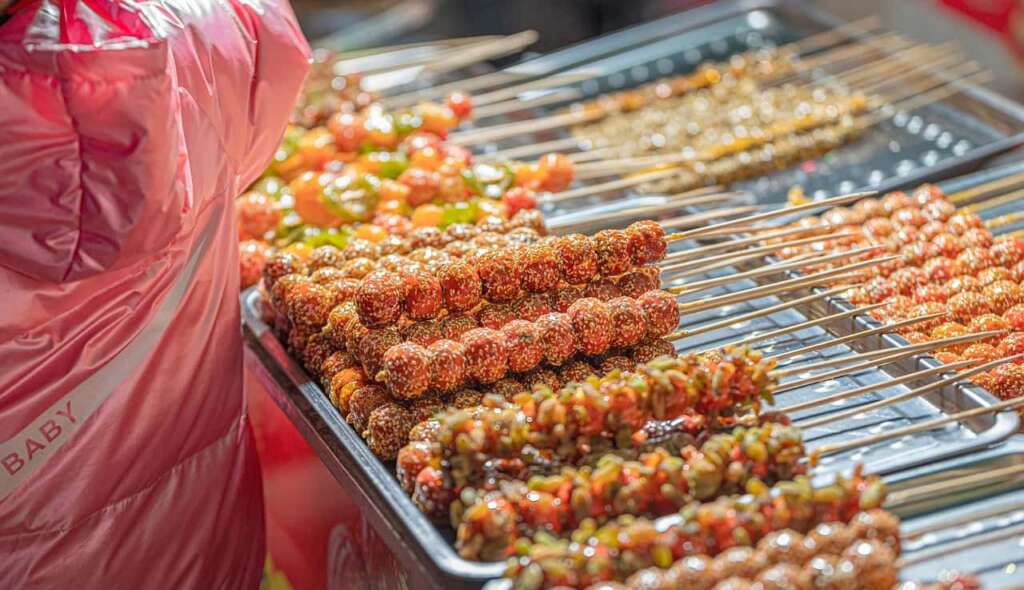
One of the best ways to save money abroad is also one of the most rewarding: eat the way locals eat.
Many TEFL teachers discover that the most memorable meals aren’t found in expensive restaurants. They’re found in family-owned eateries, market stalls, neighborhood cafés, and local canteens.
This isn’t just about saving money. It’s about experiencing a destination more authentically.
Teachers in South Korea often discover affordable neighborhood restaurants serving hearty meals. Those in Taiwan find incredible night markets packed with budget-friendly options. Teachers in Vietnam and Thailand frequently report that local food becomes one of their favorite parts of living abroad. Community discussions among TEFL teachers consistently highlight Thailand and Vietnam as destinations where local food culture makes day-to-day living particularly affordable and enjoyable.
The Bottom Line
Teaching abroad doesn’t require living on instant noodles and cutting every corner. In fact, some of the best food experiences you’ll have overseas are also the most affordable.
By shopping where locals shop, learning a handful of local recipes, taking advantage of markets and street food, and embracing the food culture around you, you’ll save money while gaining a much richer experience abroad.
Whether you’re planning to teach in Thailand, Vietnam, Taiwan, South Korea, Costa Rica, Cambodia, Argentina, Mexico, or one of the many other destinations available through myTEFL’s global network, food can become one of the easiest—and most enjoyable—ways to keep your budget under control while making the most of your adventure abroad.