
Australia’s eastern coastline combines large metropolitan centres with stretches of beaches, forests, rivers, and smaller coastal towns. Travelling between Brisbane and Sydney by rail offers a slower perspective on these changing landscapes while linking two of the country’s most significant cities through a continuous journey.
Following Australia’s eastern rail corridor
Taking a train from Brisbane to Sydney provides one of the longest direct passenger rail experiences along Australia’s east coast. Services depart from Roma Street Station and arrive at Central Station Sydney after travelling through Queensland and New South Wales over the course of roughly fourteen hours. Unlike short domestic flights, rail travel reveals the gradual transition between subtropical northern landscapes and the more densely populated southern coastline. The route passes rivers, farmland, eucalyptus forests, and smaller coastal communities before approaching Sydney’s expanding suburbs. Overnight services allow passengers to experience long-distance travel at a slower pace, with seating and sleeper options available depending on the service. Large windows remain central to the experience, especially during daylight hours when scenery becomes part of the journey itself. Rail travel also reduces the interruptions associated with airports and transfers. Instead, movement between cities feels continuous and connected. The route reflects the scale of Australia while remaining accessible.
Brisbane’s subtropical atmosphere
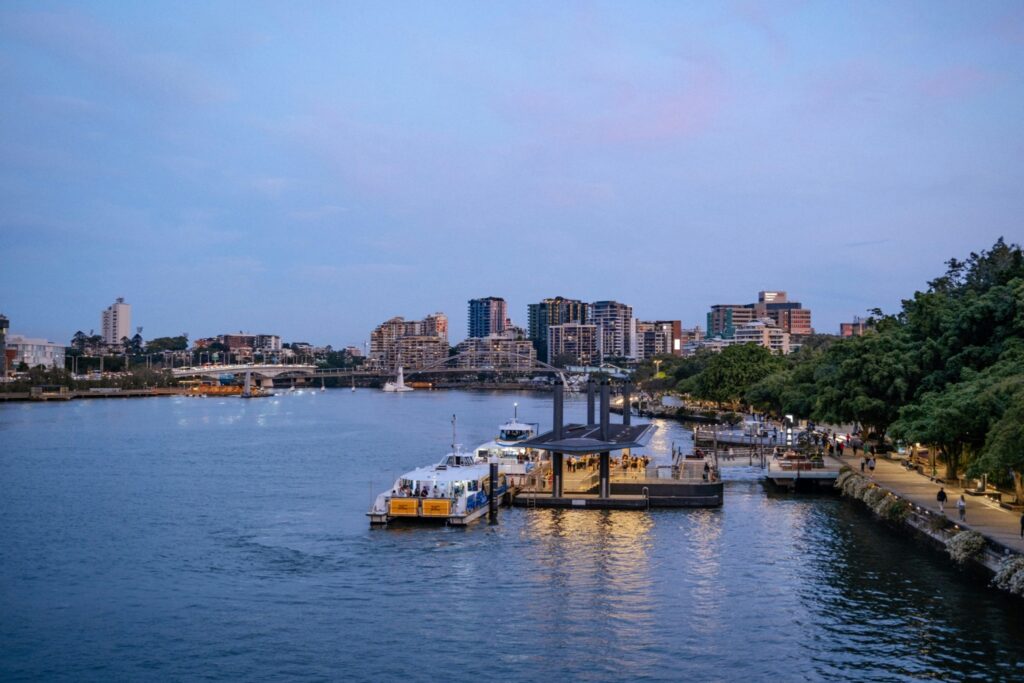
Brisbane serves as the northern starting point for many journeys along the eastern coast. Positioned along the Brisbane River, the city combines modern development with a noticeably relaxed pace compared to larger Australian capitals. Districts such as South Bank provide public spaces filled with restaurants, museums, and riverside walkways, while areas like Fortitude Valley introduce a more active nightlife and entertainment scene. The city’s warmer climate shapes daily routines, encouraging outdoor activity throughout much of the year. Public transport includes trains, ferries, and buses that connect central areas with surrounding suburbs. Despite its growth, Brisbane retains a lower-density atmosphere than Sydney or Melbourne. Parks and riverside spaces remain integrated into the urban layout. The city also functions as a gateway to Queensland’s coastal and inland destinations. Travellers often spend several days here before continuing south. Brisbane balances accessibility with a more relaxed urban rhythm.
Life onboard long-distance rail services
Long-distance rail journeys across Australia create a very different travel experience from shorter commuter or high-speed routes found elsewhere in the world. Passengers onboard the Brisbane-Sydney service often settle into a slower rhythm shaped by changing scenery and extended travel time. Seating areas are designed for overnight comfort, with enough space to move between carriages and access dining facilities during the trip. Conversations between passengers, quiet observation of the landscape, and periods of uninterrupted travel all contribute to the atmosphere onboard. Unlike air travel, where movement is highly structured and compressed, rail journeys encourage a more gradual adjustment between destinations. Smaller stations appear throughout the route, connecting regional communities to larger cities. These brief stops reinforce the scale of the journey. Travelling overnight also changes how passengers experience distance and time. The train becomes both transport and temporary environment. This slower pace often becomes one of the most memorable parts of the trip.
Coastal towns and regional landscapes
Between Brisbane and Sydney, the rail line passes a variety of regional landscapes that reveal another side of eastern Australia. Coastal areas alternate with inland farmland, while stretches of forest and river systems create noticeable variation throughout the route. Smaller towns such as Coffs Harbour and Grafton appear along the journey, providing glimpses of regional life beyond the larger metropolitan centres. Many of these communities are closely connected to agriculture, tourism, or local industry. Travelling by train allows passengers to observe how settlement patterns change gradually along the coast. The pace also encourages greater awareness of geography, particularly in areas where roads and railways follow rivers or mountain ranges. Seasonal changes influence the scenery considerably, especially during wetter periods when vegetation becomes more vibrant. These quieter sections of the route contrast strongly with the intensity of Australia’s largest cities. Including them within the journey creates a broader understanding of the country’s eastern regions.
Sydney’s harbour and urban scale
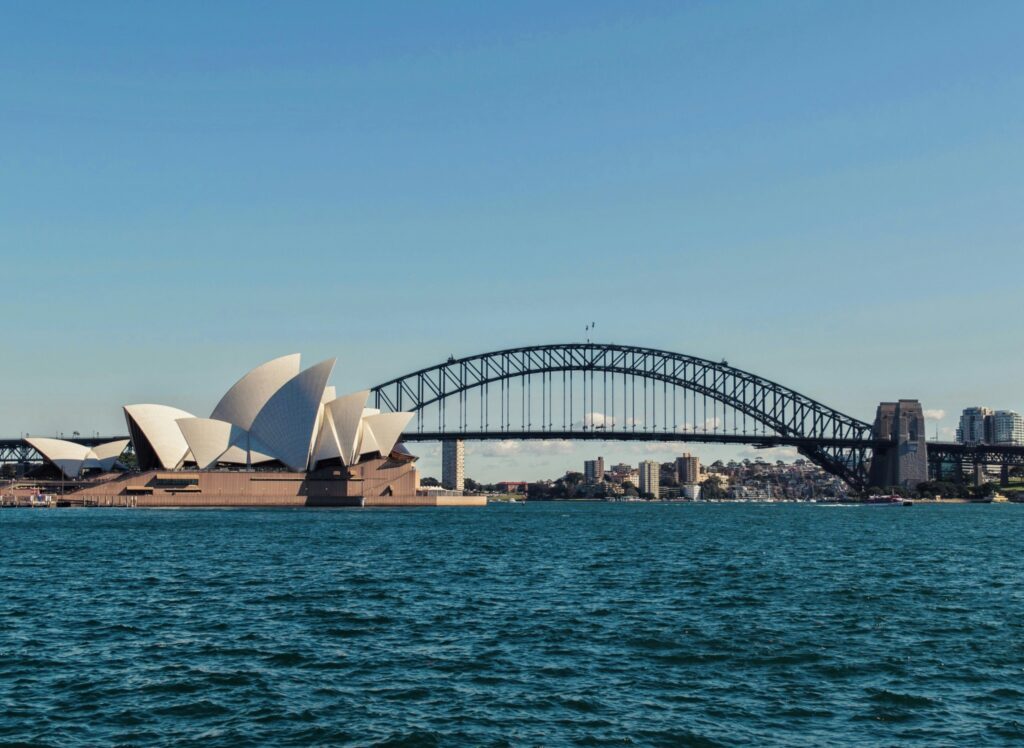
Sydney offers a much denser and more internationally recognised urban environment than Brisbane. The city’s harbour dominates both its geography and identity, with landmarks such as Sydney Opera House and Sydney Harbour Bridge positioned directly along the waterfront. Central districts combine financial centres, shopping areas, and historic neighbourhoods within a relatively compact space. Public transport systems, including suburban rail, ferries, and light rail, support movement across the metropolitan area despite its scale. Sydney’s beaches, particularly Bondi and Manly, remain closely tied to the city’s daily culture and outdoor lifestyle. Compared to Brisbane, Sydney feels faster, busier, and more vertically developed. At the same time, national parks and coastal walks remain accessible from the urban centre. This balance between nature and infrastructure shapes much of the city’s character. Sydney often functions as both a final destination and a gateway to wider travel across Australia. The contrast with Queensland becomes immediately noticeable on arrival.
Nature alongside the rail route
One of the defining characteristics of the Brisbane-Sydney corridor is the constant presence of natural landscapes alongside urban development. Forests, wetlands, beaches, and mountain ranges remain visible across large sections of the route. Areas near Border Ranges and the northern New South Wales coastline introduce dense vegetation and dramatic changes in terrain. In some sections, the railway runs close to the Pacific coastline, while in others it moves inland through agricultural valleys. This variety creates a sense of movement through multiple environments rather than a single continuous landscape. Travelling by rail allows passengers to observe these changes in real time. The journey highlights how closely Australian cities remain connected to surrounding natural spaces. Even heavily populated regions quickly transition into forests or open countryside. This balance between urban development and natural geography defines much of eastern Australia.
Changing pace between two cities
The transition from Brisbane to Sydney also reflects broader differences in pace and atmosphere between Australian cities. Brisbane’s subtropical climate encourages a slower, more outdoor-oriented rhythm, while Sydney operates with greater density and international movement. Travelling gradually between them by train makes these contrasts more visible. Instead of arriving suddenly by plane, passengers experience the changing environment over many hours. This slower approach creates stronger connections between destinations. It also allows smaller towns and landscapes to become part of the broader experience rather than simply passing unnoticed. Rail travel encourages observation in a way that faster forms of transport often do not. The route becomes not just a connection between two cities but a journey through multiple regions and identities. This layered experience defines much of long-distance rail travel in Australia.
Bringing the journey together
Travelling between Brisbane and Sydney by train combines major urban centres with regional landscapes, coastal scenery, and long-distance rail culture. The route reveals the scale and diversity of Australia’s eastern coastline while allowing travellers to move continuously between very different environments at a slower and more connected pace.