
There are plenty of ways to get to know a new country. You can visit its famous landmarks, explore museums, try the restaurants everyone recommends, or take a walking tour through its most popular neighbourhoods. But if you really want to see what everyday life looks like, there’s one place you might be overlooking: the grocery store.
It might not sound like the most exciting stop on an itinerary. After all, how much fun can wandering through aisles of cereal and canned beans really be? Quite a lot, actually. Grocery stores are little windows into the way people live, eat, shop, and go about their daily routines. And if you’ve ever stepped into a supermarket in another country, you know that even the most ordinary shopping trip can turn into a surprisingly entertaining experience.
The snacks are an adventure of their own
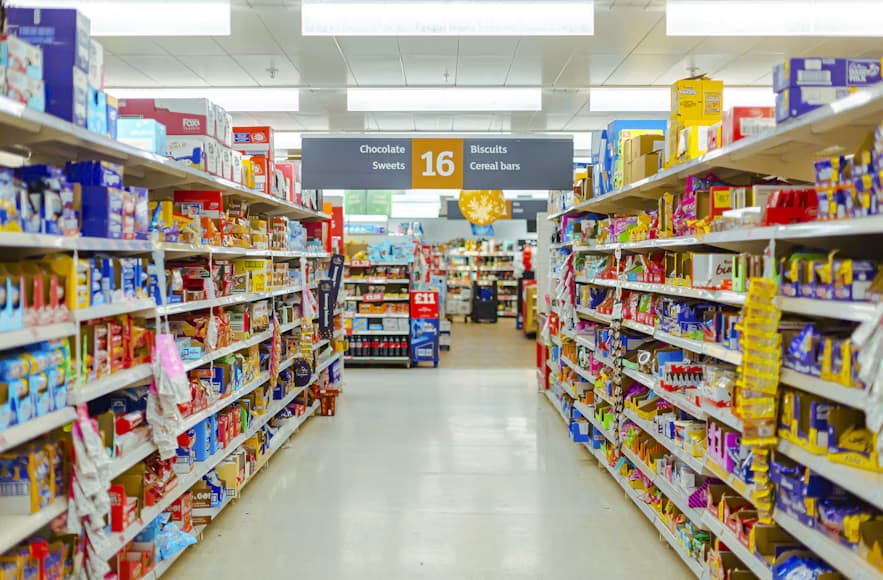
One of the first things you’ll probably notice in a foreign grocery store is the snacks. Even if you recognize the brands, there’s a good chance you’ll come across flavours, combinations, and packaging you’ve never seen before.
In Japan, you might find an entire aisle dedicated to different flavours of KitKats, including matcha and regional specialties. In South Korea, the snack shelves are packed with interesting crisps, sweet treats, seaweed snacks, and instant noodles. Meanwhile, a supermarket in Mexico might introduce you to a whole new world of spicy sweets, chilli-covered fruit snacks, and local favourites.
The best part? You don’t always know what you’re buying. Sometimes the packaging is unfamiliar, the description is in another language, and you’re relying entirely on a picture of what might be a strawberry. Is it candy? A drink? Some kind of mysterious dairy product? There’s only one way to find out.
Trying unfamiliar snacks is a low-pressure way to experience local food culture, and it makes for a pretty entertaining taste-testing session later.
Everyday products can tell you a lot about a country
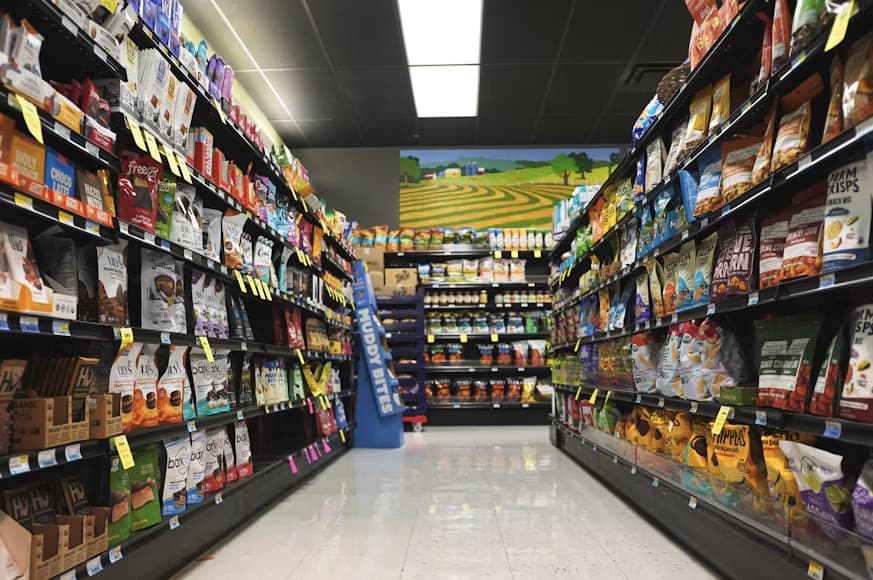
Something as simple as walking through the produce section can tell you a surprising amount about a place. Depending on where you are, you might find fruits and vegetables you’ve never encountered before, ingredients that are staples in local cooking, or familiar products displayed in completely different ways.
In some countries, you’ll see fresh seafood counters, enormous selections of rice, or shelves dedicated to ingredients you might never have heard of. In others, ready-made meals and convenience foods take up a much bigger part of the store.
Even the way groceries are packaged can be different. You might find eggs sold in unusual quantities, milk stored in cartons outside the refrigerated section, or produce packaged in ways that make you question whether you’ve been shopping incorrectly your entire life.
These little details offer a glimpse into local habits, climate, food traditions, and lifestyles. You start noticing what people buy regularly, what ingredients appear everywhere, and what foods are considered everyday essentials.
The supermarket is a crash course in local culture
Grocery shopping also gives you a chance to observe the small social habits that make a country feel unique.
And it turns out we’re not the only ones who think grocery shopping abroad deserves a little more appreciation. The idea of supermarket tourism has become increasingly popular, with travellers discovering that some of the most interesting cultural experiences can happen between the cereal and frozen food aisles.
What time do people shop? Do they buy groceries for the entire week or stop by every day? Are self-checkouts common? Do shoppers bring their own bags? Is there a particular way to greet the cashier?
These might seem like minor details, but they’re part of the rhythm of everyday life. You can learn a lot simply by watching how people move through a space they’re completely comfortable in.
Food shopping can also reveal how people spend time together. In some places, markets and food shops are social spaces where neighbours catch up and vendors recognize regular customers. In others, convenience and speed are the priority.
You might even discover that something you consider completely normal at home is unusual somewhere else. Suddenly, buying a loaf of bread becomes a cultural experience.
Grocery shopping can be surprisingly humbling
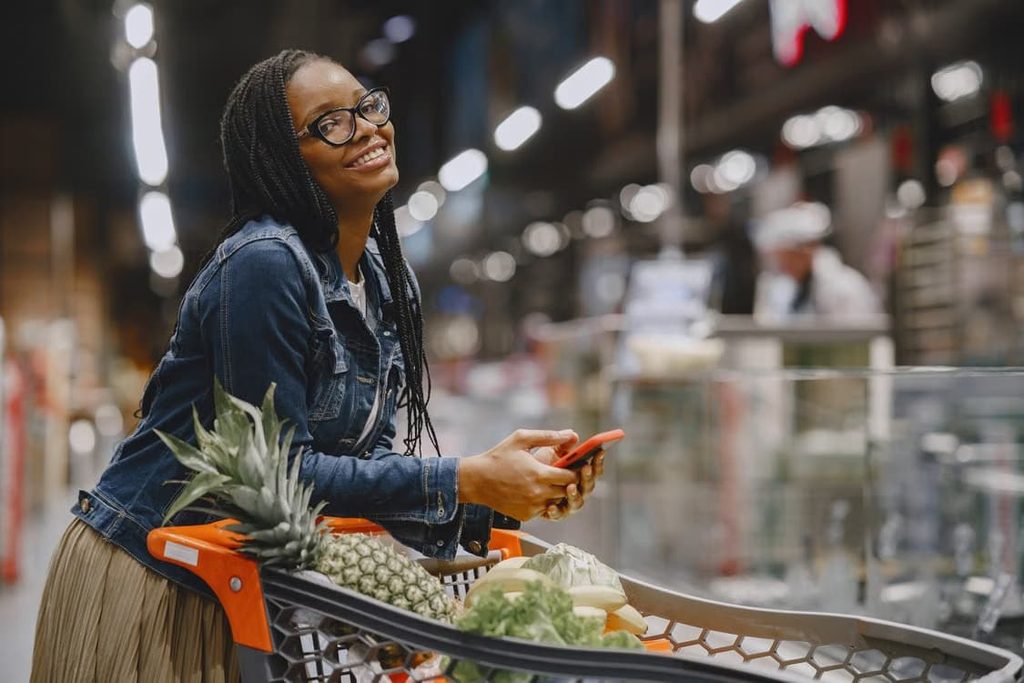
Of course, shopping somewhere unfamiliar isn’t always effortless.
You may confidently walk into a store expecting to pick up five basic items and leave twenty minutes later holding three things you didn’t intend to buy, one questionable substitute, and absolutely no idea where the cooking oil is.
There are ingredient labels to decipher, unfamiliar currencies to calculate, and products that look almost identical but apparently serve completely different purposes. You might spend an unreasonable amount of time trying to identify the difference between two types of flour.
And don’t underestimate the experience of trying to navigate a checkout when you don’t understand the language. A cashier asks you a question, you smile politely, they repeat it, and suddenly you’re nodding as though you understood every word. We’ve all been there.
But these moments are part of the fun. You gradually learn the words for everyday items, recognize familiar packaging, and figure out which aisle contains your favourite things. Before long, what once felt confusing becomes part of your routine.
You might discover a new favourite thing
One of the best parts of exploring grocery stores is finding something you didn’t know you needed in your life.
Maybe it’s a drink you start buying every afternoon, a local biscuit that becomes your go-to snack, or an ingredient that completely changes the way you cook. Sometimes it’s something incredibly ordinary that you end up missing long after you’ve left.
You might even find yourself developing strong opinions about products you had never heard of a few weeks earlier. Suddenly, you’re the person recommending a specific brand of instant noodles or explaining why everyone needs to try a particular chocolate bar.
These small discoveries can become part of your connection to a place. They give you familiar little comforts while also introducing you to something new.
Sometimes, getting to know a place starts with the everyday stuff
It’s easy to think that experiencing another country means constantly doing something exciting. But some of the most memorable parts of spending time somewhere new happen during ordinary moments: picking up groceries, finding a favourite café, figuring out public transportation, or learning which shop sells the best bread.
Living somewhere gives you the opportunity to experience these everyday details in a way a short visit might not. You begin to recognize neighbourhood routines, become familiar with local products, and feel a little more at home with each passing week.
That’s one of the things that makes teaching abroad such an interesting experience. Through myTEFL, graduates have opportunities to explore teaching placements in different countries, giving them the chance to experience life beyond the usual tourist attractions. Alongside discovering a new classroom and meeting new people, there’s also the everyday adventure of figuring out where to shop, what to eat, and which local snacks deserve a permanent spot in your kitchen.
So next time you’re somewhere new, don’t feel like every outing needs to involve a famous landmark or a carefully planned activity. Pop into a grocery store, wander around, pick up something you’ve never tried, and see what you discover.
You might arrive looking for a bottle of water and leave with a new favourite snack, a better understanding of local life, and a story about the time you accidentally bought the world’s strangest yoghurt.
And honestly, that’s a pretty good travel experience.