
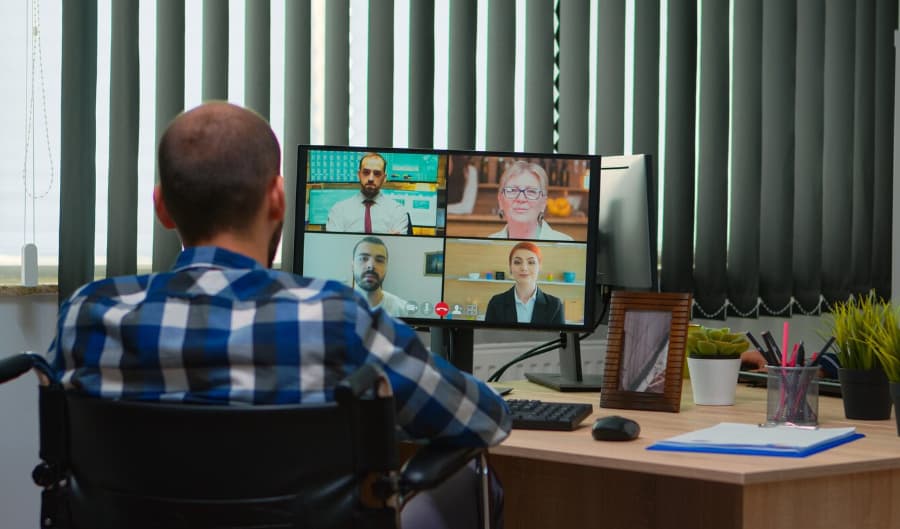
A remote team can give a company access to excellent people regardless of location, but distance alone does not create flexibility. Without clear working agreements, employees can spend their days waiting for answers, repeating conversations, or attending meetings outside reasonable hours.
Time-zone pressure is a real operational issue. Microsoft Research found that globally distributed colleagues often created shared meeting windows by connecting outside their normal workday. A high-performing team needs a healthier system, one that protects focus time while still allowing people to collaborate when live discussion is genuinely useful.
Start With the Right Team Structure
Performance across time zones begins before the first project starts. Leaders need the right mix of skills, dependable working-hour overlap, and clear expectations about how distributed work will operate.
The hiring plan should define which roles require frequent live collaboration and which can work mainly through documented, asynchronous processes. Companies looking to hire software developers latin america may benefit from overlapping working hours with North American teams, but geography should remain only one part of the decision. Technical ability, communication, ownership, and role fit matter just as much.
Design for Meaningful Overlap
Every remote team needs a small shared window for conversations that are difficult to manage asynchronously. This time can be used for sprint planning, urgent problem-solving, stakeholder decisions, or discussions involving several dependencies.
Shared hours should be documented and reasonable. Rotating an occasional meeting may be fairer than repeatedly asking the same employee to join early or late.
Hire for Remote-Work Habits
A strong remote employee does more than complete assigned tasks. They communicate progress, document decisions, ask questions early, and raise blockers before a deadline is at risk.
Interviews should test these habits directly. Ask candidates how they managed an ambiguous task, handed work to another location, or communicated when a project went off track.
Establish Clear Communication Rules
Distributed teams struggle when every message feels urgent or when nobody knows where decisions belong. Communication rules should define which channel to use, what response time is expected, and when a live meeting is necessary.
Separate Urgent, Routine, and Permanent Information
Chat works well for quick coordination, but important decisions should not disappear into a message thread. Project updates belong in the project system, technical decisions belong in accessible documentation, and urgent issues need a clearly defined escalation channel.
A routine message may not need an answer until the recipient’s next working period. Labeling everything urgent makes genuine emergencies harder to recognize.
Write Messages for the Next Time Zone
A useful asynchronous update should include context, the current status, relevant links, the decision required, and the deadline. The recipient should be able to respond without first reconstructing the entire issue.
This habit reduces delays because the next colleague can move the work forward without first requesting basic information.
| Work Situation | Best Default | Live Discussion Is Better When |
| Routine progress update | Written project note | Several blockers require coordination |
| Technical decision | Documented proposal | Tradeoffs are complex or disputed |
| Feedback | Written comments with context | The topic is sensitive or unclear |
| Status reporting | Shared dashboard | Leadership must make an immediate decision |
| Relationship building | Informal async or scheduled contact | The team needs deeper personal connection |
Build Documentation and Ownership Into the Workflow
Documentation prevents knowledge from becoming limited to the people who attended a meeting. It allows a teammate in another time zone to understand what happened and continue working without waiting for someone to come online.
Create a Shared Source of Truth
The team should agree where project plans, decisions, specifications, meeting notes, and operating procedures will live. Documents need clear titles, owners, and update dates so employees can tell whether information is current.
Record decisions that affect future work, explain why they were made, and link them to relevant tasks. Not every minor conversation needs a long document.
Make Ownership Visible
Every important task should have one directly responsible owner, even when several people contribute. This prevents work from being ignored because everyone assumes somebody else will handle it.
Handoffs should state what has been completed, what remains, which risks exist, and what the next person needs to decide. A good handoff allows progress to continue as one working day ends and another begins.
Use Meetings Deliberately
Meetings become expensive when attendees span several locations. Protect live time for discussion rather than information that could be shared beforehand.
Require a Purpose and an Outcome
Every meeting should have an agenda, necessary participants, and an expected result. Afterward, record decisions, owners, and deadlines so absent colleagues can understand what changed.
Protect Human Connection
Efficiency is not the only goal. Remote employees also need trust, informal conversation, recognition, and opportunities to understand their teammates as people.
Atlassian reports that its research found intentional team gatherings increased feelings of connection by 27%, with the benefit lasting four to five months. Not every company can arrange frequent travel, but the principle is useful: connection improves when shared time has a clear purpose.
Virtual conversations, mentoring, retrospectives, and occasional gatherings can support relationships without creating more after-hours pressure.
Manage Performance Through Outcomes
Remote leadership should focus on results rather than visible online activity. Constant status checks can weaken trust.
Define Success Clearly
Employees need to understand the outcome, quality standard, deadline, dependencies, and decision authority attached to their work. When those details are clear, people can make progress independently.
Managers should review whether commitments are met, work meets the required standard, and risks are communicated early.
Review the System, Not Only the Individual
When work is delayed, the cause may be unclear ownership, slow approvals, missing documentation, or insufficient overlap. Retrospectives should identify where the system created friction.
A practical monthly review can examine:
- Which decisions waited too long for the right person?
- Which meetings could have been handled asynchronously?
- Where did documentation fail to provide enough context?
- Did anyone repeatedly work outside reasonable local hours?
- Which handoffs succeeded, and what made them effective?
Frequently Asked Questions About Teams Across Time Zones
How Much Working-Hour Overlap Does a Remote Team Need?
There is no universal requirement. The right amount depends on the work and its dependencies. Many teams benefit from a limited shared window for complex decisions while protecting the remaining hours for focused work.
How Can Remote Teams Avoid Too Many Meetings?
Require agendas, share background information beforehand, and reserve meetings for discussion or decisions. Routine updates should usually be written and stored where the whole team can find them.
What Should Be Included in an Asynchronous Update?
Include the necessary context, current status, relevant links, known risks, the decision or action required, and a clear deadline. The recipient should be able to respond without requesting basic information.
How Do Managers Build Trust With Remote Employees?
Set clear outcomes, provide context, keep commitments, recognize good work, and avoid measuring performance through online presence. Regular feedback and fair access to important projects also strengthen trust.
Final Thoughts on High-Performing Remote Teams
A high-performing remote team is built through deliberate habits. Reasonable overlap supports live collaboration, while strong documentation and asynchronous communication keep work moving when colleagues are offline.
Clear ownership, purposeful meetings, outcome-based management, and genuine human connection turn geographic distance into a manageable operating condition. When leaders design the system around time-zone differences, distributed employees can work as one team without sacrificing focus, clarity, or personal boundaries.