
When people imagine experiencing a new country, they usually picture famous landmarks, museums, beaches, cafés, or historic streets. They think about climbing mountains in Vietnam, wandering through markets in Mexico, or taking trains across Japan.
But one of the fastest ways to actually understand a place isn’t through its tourist attractions.
It’s through its grocery stores.
The first grocery store you walk into abroad tells you more about a country than most travel guides ever could. Within minutes, you start noticing what people prioritize, what daily life looks like, what comforts matter, how families eat, how people spend money, and even how they socialize.
It sounds strange until you experience it yourself.
Many myTEFL graduates who teach abroad say grocery shopping is one of the first moments they stop feeling like tourists and start feeling like locals. Whether they’re teaching in Taiwan, South Korea, Thailand, Spain, or Mexico, the local grocery store becomes part of everyday life surprisingly quickly.
The Produce Section Tells You Almost Everything
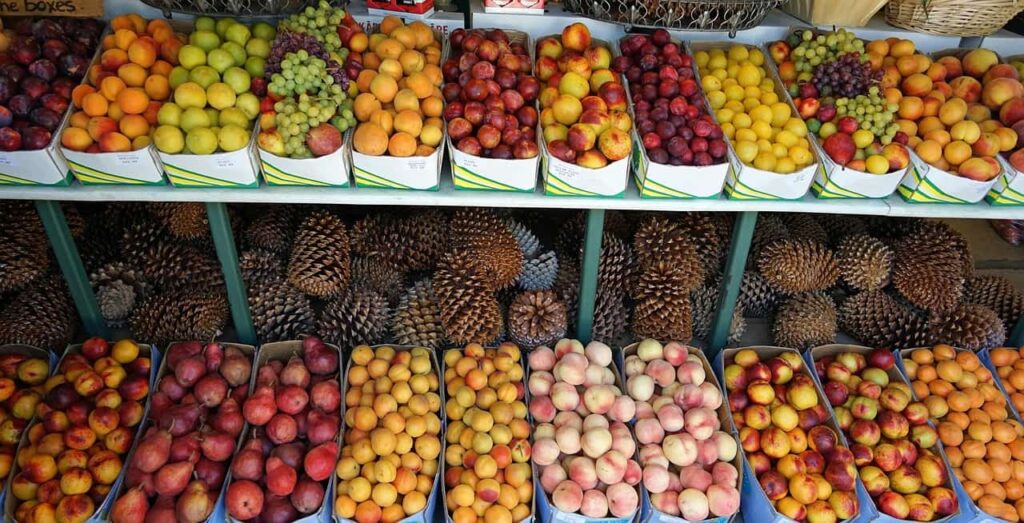
One of the biggest culture shocks for many travelers is produce.
In North America, grocery stores are designed around abundance and convenience. Giant carts. Massive aisles. Fruit shipped from across the world regardless of season.
But in many countries, grocery shopping feels far more connected to seasonality and local agriculture.
In Japan and South Korea, fruit is often beautifully packaged and treated almost like luxury goods. Perfect strawberries might be individually wrapped. Melons can cost shocking amounts because presentation and quality are deeply valued.
Meanwhile, in countries like Vietnam or Thailand, fresh herbs, dragon fruit, mangos, and vegetables overflow into outdoor markets and neighborhood stalls because cooking with fresh ingredients is deeply integrated into everyday life.
In Mediterranean countries like Spain, Italy, and Greece, grocery stores often reflect a slower, fresher approach to eating. People shop more frequently, buy less processed food, and build meals around simple ingredients.
The differences aren’t random.
They reflect climate, economics, family structures, work culture, agriculture, and national priorities.
Convenience Foods Reveal Work Culture
The frozen food aisle is surprisingly revealing.
In countries with extremely long work hours and dense urban living, convenience foods often become highly advanced.
Japan’s convenience stores are famous for this reason. You can buy surprisingly high-quality meals at almost any hour of the day. Convenience stores there are not viewed as depressing last-minute options the way they sometimes are in North America — they’re integrated into daily life.
Taiwan and South Korea have similarly efficient convenience culture, reflecting fast-paced city living and long workdays. Many myTEFL graduates teaching in cities like Taipei or Daejeon quickly discover that convenience stores become essential parts of their routines.
Meanwhile, in countries with stronger café culture or longer lunch traditions, grocery stores may place less emphasis on ready-made meals because people still prioritize eating socially or cooking at home.
Even the size of refrigerators in different countries subtly changes how people shop.
Larger refrigerators often encourage bulk shopping and weekly stockpiling. Smaller urban fridges encourage daily shopping habits and fresher meals.
Tiny detail.
Huge cultural insight.
Snacks Tell You What a Country Grew Up With
If you really want to understand nostalgia in another country, look at the snack aisle.
Every country has foods people associate with childhood.
In Mexico, you’ll find spicy candies that completely surprise most North Americans. In South Korea, honey butter chips became such a cultural phenomenon that stores struggled to keep them stocked. In Japan, entire aisles are dedicated to seasonal Kit Kat flavors because limited-edition food culture is huge there.
Even flavor preferences reveal cultural differences.
Some countries lean heavily toward sweet flavors. Others prioritize savory, spicy, fermented, or sour tastes.
The snack aisle also quietly reveals globalization.
You start noticing which American brands appear everywhere and which countries fiercely maintain their own food identity.
In some places, local products dominate. In others, international branding has almost completely taken over.
Grocery Stores Reveal Economic Reality Faster Than Tourism Does
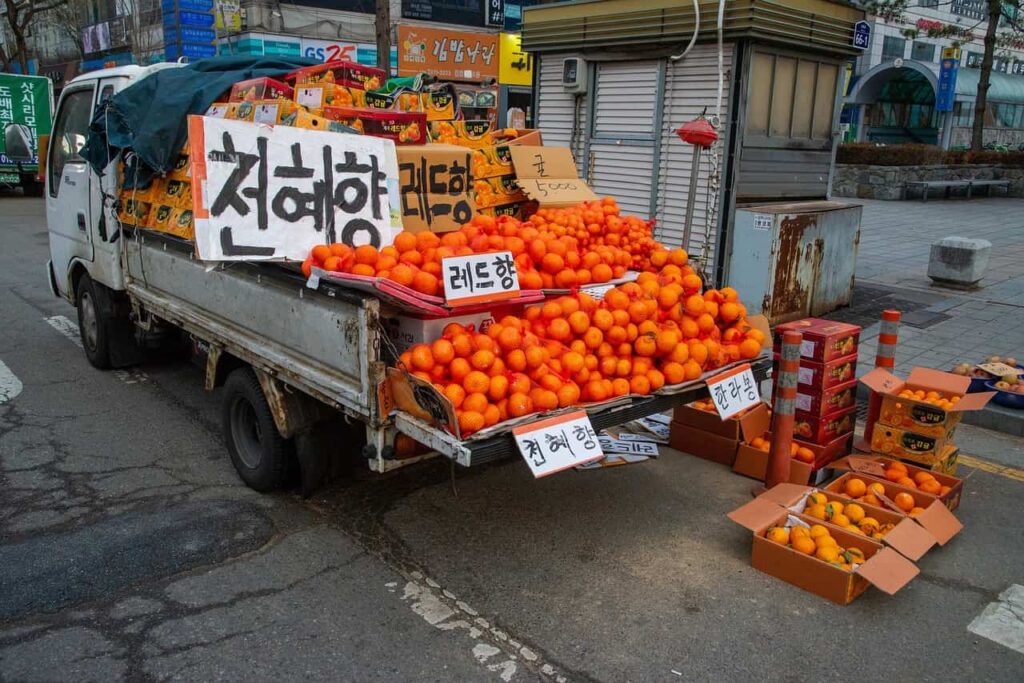
Tourist areas can distort your perception of a country.
Grocery stores don’t.
The prices people pay for eggs, rice, bread, meat, coffee, and vegetables reveal far more about actual living conditions than influencer travel content ever will.
This is often something teachers abroad become highly aware of very quickly.
Many first-time teachers arrive expecting life abroad to feel like a permanent vacation. Then they begin grocery shopping regularly and start understanding what daily budgeting actually looks like in their new country.
That’s often when a destination starts feeling real.
One reason teaching abroad appeals to so many people is that certain countries still offer an incredibly affordable lifestyle compared to North America. myTEFL graduates teach across destinations including Thailand, Vietnam, Cambodia, Argentina, Mexico, South Korea, Taiwan, and Spain, all of which offer completely different costs of living and food cultures.
And honestly, some of the best memories people make abroad happen during completely ordinary grocery runs.
Trying to decode labels.
Buying random snacks with no idea what they are.
Discovering a favorite drink you can never find back home.
Learning how to cook local dishes.
Realizing you accidentally bought shrimp-flavored chips instead of barbecue.
Again.
The Layout of a Grocery Store Reflects Social Values
Even the physical design of grocery stores says something.
American and Canadian grocery stores often prioritize scale and efficiency. Wide aisles. Giant carts. Huge parking lots.
Meanwhile, grocery stores in many European or Asian cities are designed around walkability, density, and smaller living spaces.
Some countries prioritize speed.
Others prioritize presentation.
Others prioritize freshness.
Others prioritize affordability.
And in some places, grocery stores are deeply social environments rather than purely functional errands.
You also begin noticing what products entire cultures barely use.
Entire aisles common in North America simply don’t exist in some countries.
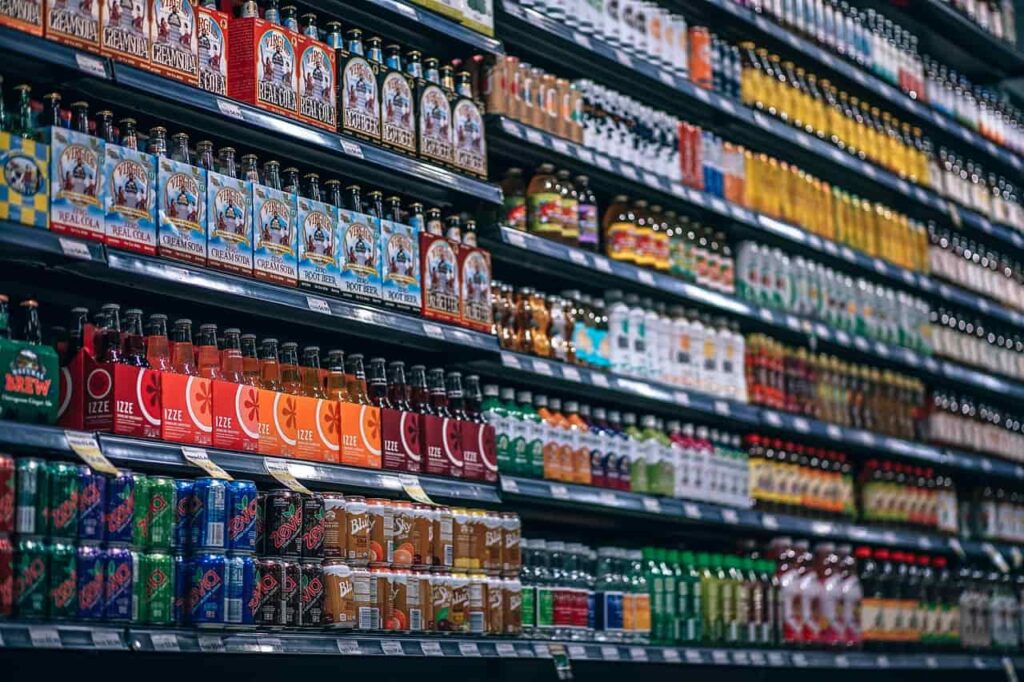
Massive soft drink sections.
Dozens of breakfast cereals.
Oversized snack packaging.
Industrial-sized frozen meals.
On the other hand, you may find enormous seafood sections, fresh bakery counters, fermented food stations, or ready-made bento meals that barely exist elsewhere.
Understanding a Country Starts With Ordinary Life
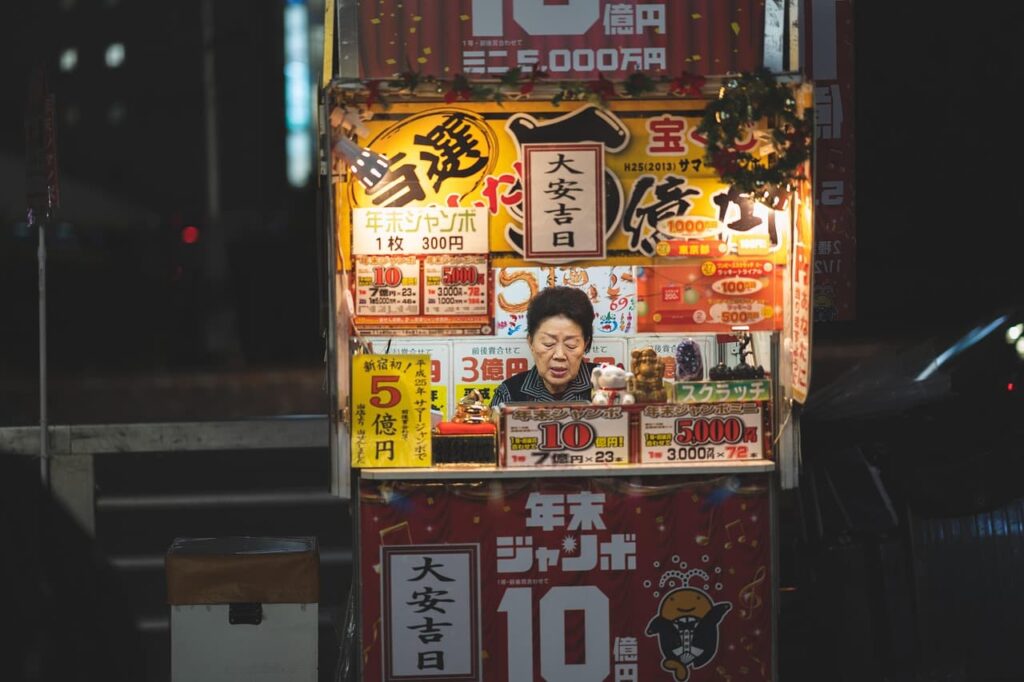
One of the biggest mistakes travelers make is chasing only the spectacular parts of a country.
But everyday life is where culture actually lives.
Not in landmarks.
Not in airport arrivals.
Not in perfectly curated Instagram itineraries.
Culture lives in tiny routines.
Morning coffee habits.
Corner stores.
Public transportation.
Neighborhood bakeries.
And yes — grocery stores.
That’s part of why so many people who teach abroad end up feeling more connected to the countries they live in than traditional tourists do. Daily routines force you into ordinary life. You stop observing culture from a distance and start participating in it.
Sometimes the most memorable part of living abroad isn’t a famous landmark at all.
Sometimes it’s standing in a grocery store at 9 PM in Taiwan trying to figure out why every drink looks vaguely identical.
And somehow, that’s the moment a country starts feeling familiar.
For many people, that’s when travel actually becomes real.
And often, that’s when home starts becoming a much bigger concept than one single place.