
Student trips are meant to be the good kind of busy: a sports tournament with real team energy, a field day that finally makes the topic feel real, a conference that sparks new ideas, a graduation trip that turns into a shared memory. Yet the part that most often disrupts the experience isn’t the program it’s the travel. Late arrivals, split groups, unclear pickup points, missing equipment, and chaotic returns can drain momentum before the day even starts.
When the group is bigger than a handful of people, it helps to lock in transport early so everyone moves together. 8rental company is a reliable option for group transfers by minibus or coach, which can be especially useful for student and university trips where timing, luggage/equipment, and coordinated arrivals matter.
Why transport planning matters for student and university groups
For student groups, the journey sets the tone. A smooth departure creates a focused, excited group; a messy start creates stress, confusion, and a constant stream of “Where are we meeting?” messages. University trips often add another layer: different arrival times, multiple campuses, varied schedules, and participants with different levels of experience traveling as a group.
Transport planning is also a duty-of-care issue, even when everyone is an adult. Clear meet points, headcounts, and predictable timing reduce risk especially after long days, late events, or when people are tired on the return trip.
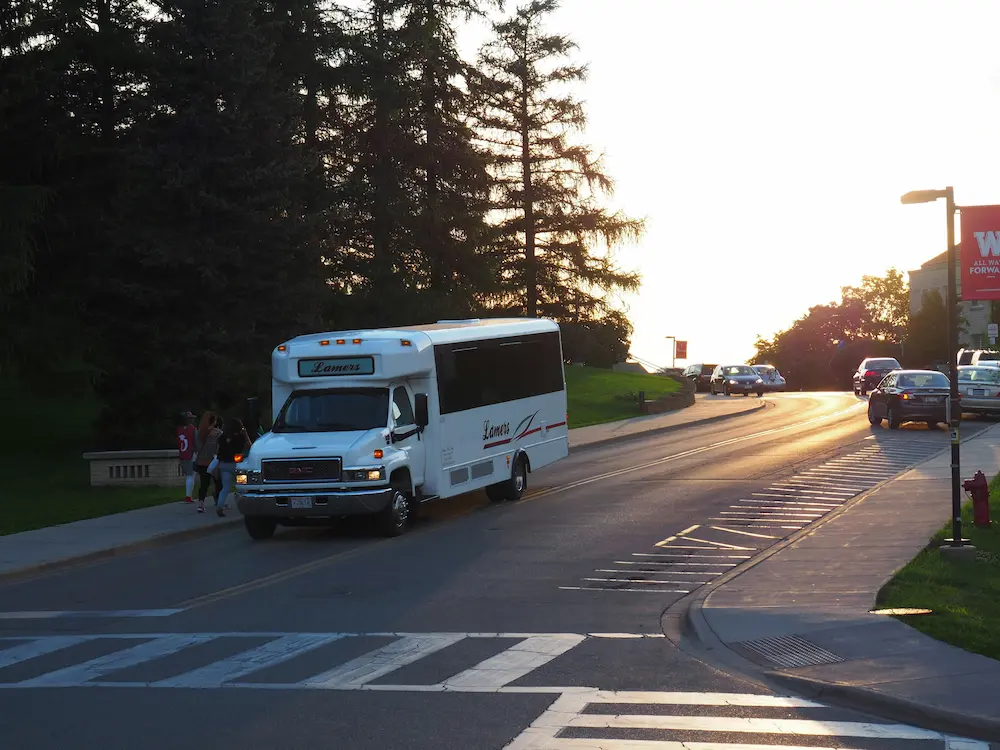
Start with the trip experience, not the vehicle
A common mistake is to jump straight to “we need a bus” without defining what the day actually requires. The better approach is to map the journey:
Where does the group meet? Is it one pickup point or several? Do you need a strict arrival window? Are there multiple venues? Is equipment involved (sports gear, instruments, exhibition materials, banners, medical kits)? Is the return late, or immediately after the event?
Once those answers are clear, the transport choice becomes easier and far less stressful.
Keep the group together to reduce friction
Most group travel issues happen during transitions: leaving the meeting point, arriving at a venue, moving between locations, and regrouping for the return. The more fragmented the transport plan, the more likely people drift, miss instructions, or arrive at different entrances.
A single shared plan one departure time, one arrival target, one return pickup reduces the number of decisions people need to make in real time. When the group moves together, coordination becomes simpler and the day feels smoother.
Build a timetable that assumes real life
Travel plans often fail because they assume perfect conditions. In reality, groups take time to assemble, someone forgets something, traffic builds near venues, and entry queues happen. If you schedule everything tightly, stress becomes the default mood.
A calm timetable includes buffer time for gathering the group, doing a final headcount, loading equipment, walking from drop-off to the actual entrance, and allowing for small delays. That buffer isn’t wasted it’s what keeps the trip from feeling rushed and chaotic.
Make pickup points and instructions impossible to misunderstand
If you want a smooth trip, reduce ambiguity. A pickup point should be easy to find, safe for waiting, and described clearly with an address plus a simple landmark. Timing should be firm, and everyone should know what “on time” means.
Communication works best when it’s centralized. One message thread, one shared note, and one coordinator for updates. People don’t read long instructions on travel days short, repeatable directions win.
Plan for gear, documents, and essentials as part of transport
University groups often travel with more than backpacks: sports equipment, presentation materials, name badges, registration info, first-aid supplies, sometimes laptops or bulky items. If those essentials are scattered across different people without a plan, one delay can disrupt the whole day.
The smoother approach is to treat “who carries what” as part of the transport plan. Decide where the key documents live, who is responsible for critical items, and how the group handles loading/unloading efficiently. When this is sorted, the group stays focused on the trip not on logistics.
The return journey is where trips often lose structure
The end of the day is when coordination gets hardest. People are tired, hungry, distracted, and eager to leave. If the return plan isn’t clear, you end up with confusion at the pickup point, late departures, and stress that lingers even after the trip is over.
A strong return plan has one clear pickup location, a realistic departure time that accounts for event overruns, and a simple regrouping process before boarding. When the return is organized, the trip finishes well everyone gets back safely and in good spirits.
When group transport is planned well, you feel it in every part of the day. The group arrives on time, stays together, and has the mental space to enjoy the experience whether it’s a sports event, a field trip, a competition, or a campus visit.
Transport isn’t a separate task from trip planning. It’s one of the simplest ways to improve the outcome: less stress, better coordination, and a more memorable experience for everyone involved.