
Teaching English abroad is often sold as the ultimate adventure—weekend trips to ancient temples, navigating bustling night markets, and the thrill of a classroom breakthrough. And it is all of those things. But there is a flip side that doesn’t always make it onto the Instagram feed. The reality of uprooting your life means leaving behind your safety net, your familiar gym, your favorite coffee shop, and the friends who know you best.
When the initial adrenaline of the “honeymoon phase” wears off, many teachers find themselves feeling unmoored. Navigating visa stress, language barriers, and cultural isolation without your usual support system can quickly turn “exciting” into “overwhelming.” In a life defined by constant change, the brain stops looking for adventure and starts craving one specific thing: predictability.
Understanding how structure acts as an anchor for mental health is crucial, not just for those in clinical settings, but for any expat trying to maintain their equilibrium in a foreign country. To help you understand the mechanics of stability, here is a deep dive into how structured mental health care supports emotional stability.
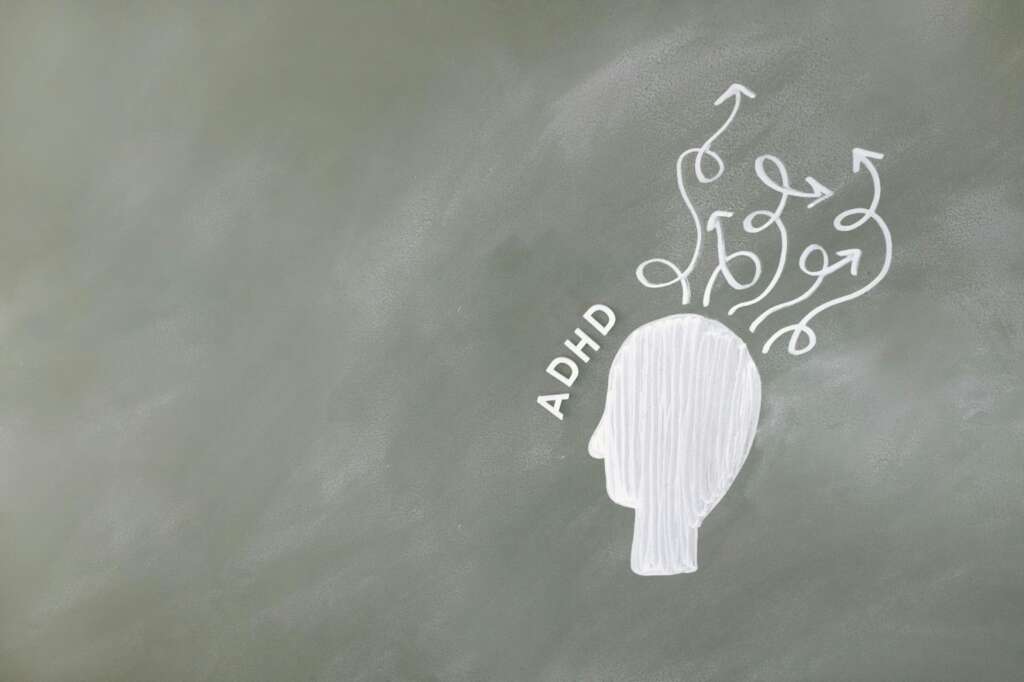
Here’s something you’ve probably noticed: mental health crises aren’t slowing down. Millions of people find themselves caught in emotional turbulence, and traditional therapy—while valuable—doesn’t always provide the anchor they desperately need. The missing piece? It’s structure. When you engage with structured mental health care, you’re not just attending appointments. You’re building a predictable framework that actually trains your brain for emotional stability.
This approach merges evidence-backed routines with treatment that’s tailored specifically to you. Think of it this way: sporadic therapy sessions are like watering a plant occasionally, while structured programs create an entire ecosystem for growth. We’ll walk through how comprehensive mental health treatment plans, focused therapeutic interventions for emotional regulation, and the real benefits of structured therapy can turn emotional turbulence into something manageable and sustainable.
Why Structure Forms the Bedrock of Effective Care
Let’s dig into why structure isn’t just helpful—it’s actually transformative. Both neuroscience and practical application show us that predictability does something remarkable to your brain.
How Structure Rewires Your Brain for Stability
Your brain isn’t being demanding when it craves predictability. It’s being smart. Here’s what happens: when your days follow consistent patterns, cortisol (that stress hormone) drops noticeably. This reduction directly calms the stress response that fuels emotional dysregulation. Scientists have proven that routine doesn’t just feel good—it physically alters your brain chemistry by reinforcing neural pathways tied to calmness while diminishing those connected to anxiety.
Want something eye-opening? Stanford researchers studied nearly 75,000 adults and discovered that night owls who fought their natural rhythm and went to bed early were 20% to 40% more likely to have received a mental health diagnosis compared to those who honored their late-night preferences. This finding reveals something crucial: structured sleep timing—even when it contradicts your preferences—safeguards mental health by stabilizing your circadian rhythms, which in turn regulate the hormones that influence your mood.
Customizing Treatment Plans Without Losing Structure
Effective programs never force everyone into the same box—that would defeat the purpose. Instead, comprehensive initial assessments pinpoint your specific triggers, natural strengths, and areas needing support through detailed bio-psycho-social evaluations. What emerges from this process is a customized mental health treatment plan that maintains a strong structural backbone while flexing to accommodate your unique circumstances, which is exactly what a Long Term Residential Treatment Center in Laguna Niguel, CA is designed to provide.
These plans stay dynamic. They adjust weekly based on your progress. Maybe you wrestle with morning depression—your plan might weave behavioral activation exercises right after breakfast. Someone else dealing with evening anxiety gets a completely different approach. This sweet spot where personalization meets structure? That’s where real healing picks up speed.
Targeted Interventions That Actually Regulate Emotions
Once you’ve got solid foundations in place, structured programs roll out specific evidence-based therapeutic interventions for emotional regulation that go straight to the source of emotional dysregulation. These aren’t randomly chosen techniques thrown at a wall to see what sticks.
DBT Skills That Become Second Nature
Dialectical Behavior Therapy stands as the gold standard for teaching emotional regulation. It delivers four core modules through structured weekly sessions. Mindfulness training gives you present-moment awareness that stops rumination dead in its tracks. Distress tolerance skills hand you crisis survival tools for when emotions hit their peak.
The emotion regulation module itself? That’s where you learn practical strategies for identifying, labeling, and adjusting intense feelings before they spiral. Interpersonal effectiveness training makes sure your relationships help rather than hurt your stability. Practice these skills daily within a structured program, and they transform from conscious efforts into automatic responses.
CBT Elements That Change Your Thinking
DBT handles emotion regulation beautifully, but CBT addresses a different angle: the thought patterns fueling your emotional instability. Structured programs schedule daily thought records so you catch cognitive distortions as they’re happening, not hours later.Behavioral activation scheduling fights depression by deliberately structuring pleasurable and meaningful activities throughout your day. Cognitive restructuring exercises, practiced at designated times, teach you to challenge catastrophic thinking. This consistent practice within predictable windows? It reinforces new mental habits that stick.
The Power of Group Therapy Within Structure
Individual healing multiplies when you add the collective wisdom found in structured group therapy settings. Meeting at consistent times creates real accountability—you show up because others are counting on you.Peer support develops organically as group members watch each other progress. You practice social skills in safe environments, which translates directly to improved real-world relationships. The community that emerges provides stability that extends way beyond program completion.
Real Benefits That Change Lives Long-Term
These diverse interventions don’t work in isolation. They create synergies that produce measurable, life-changing outcomes extending far beyond just reducing symptoms. The benefits of structured therapy build over time, fundamentally shifting how you experience and manage emotions.
Watching Symptoms and Crises Decline
Numbers don’t lie. Structured programs consistently outperform unstructured approaches. A recent study examining health professionals in a structured web-based intervention found perceived stress dropped significantly. The proportion reflecting “low stress” jumped to 46.6% after treatment compared to only 28.8% at baseline. That’s nearly double the low-stress participants—concrete evidence that structure creates measurable stability.
Crisis episodes decrease dramatically when you follow predictable routines. Emergency room visits and hospitalizations drop as you develop reliable coping patterns. The structure itself becomes protective, creating buffers against the chaos that previously triggered crises.
Building Coping Skills That Last
Symptom reduction feels great immediately, but developing sustainable coping mechanisms ensures emotional stability becomes your permanent lifestyle rather than a temporary state. Daily routines established through structured programs make healthy responses automatic.
Self-regulation skills practiced within consistent timeframes become second nature. Your stress management toolkit expands as you master progressive techniques. Emotional resilience builds incrementally through repeated exposure to structured challenges and successes.
Growing Self-Awareness and Emotional Intelligence
As coping skills become automatic, you naturally develop deeper self-awareness that prevents future crises before they escalate. Regular reflection practices built into structured schedules create essential space for insight.Journaling and mood tracking at designated times reveal patterns invisible in unstructured settings. Identifying triggers becomes systematic rather than reactive. Emotional literacy develops through consistent vocabulary practice in therapy sessions and group discussions.
Different Program Models for Different Needs
These powerful benefits get delivered through various program models, each designed to meet you at different need levels and life circumstances. Choosing the right intensity significantly impacts your outcomes.
Laguna Niguel, California offers something special with its coastal climate, proximity to nature trails, and tight-knit community atmosphere. The city blends suburban tranquility with access to comprehensive healthcare resources, making it particularly suited for therapeutic settings focused on long-term recovery.Programs like the Long Term Residential Treatment Center in Laguna Niguel, CA demonstrate how an immersive, highly structured environment supports deep emotional and psychological transformation, offering residents continuous care while they build healthier routines and coping skills.
Intensive Outpatient Programs Explained
IOPs typically meet three to five times weekly for three-hour sessions, allowing you to maintain work or school commitments. Treatment intensity balances life integration with therapeutic depth through carefully scheduled activities.
Ideal candidates need substantial support but possess stable living situations. Returning home nightly helps you immediately apply skills in real-world contexts while maintaining the structure’s benefits.
Partial Hospitalization Programs Detailed
Need more intensive support than IOP provides? PHPs offer comprehensive daily programming while maintaining home-life connections. You attend five to six days weekly for six-plus hours, receiving medical supervision integrated with therapy.These programs often serve as transitions from inpatient care, providing step-down intensity while preventing relapse. Success metrics show PHPs reduce rehospitalization rates significantly compared to direct outpatient transitions.
Environmental Factors That Support Clinical Work
Clinical interventions reach maximum effectiveness when paired with structured attention to environmental factors that either support or undermine mental health. Your physical wellness directly influences your emotional regulation capacity.
Getting Your Sleep Back on Track
Consistent sleep-wake schedules align with your body’s circadian rhythms, dramatically improving mood regulation. Structured programs enforce bedtime routines prioritizing sleep hygiene education and circadian rhythm realignment.Sleep disorder treatment becomes integral, addressing insomnia or apnea that sabotage emotional stability. When you go to bed and wake at identical times daily, your body produces mood-regulating hormones on predictable schedules.
Exercise as Medicine
Endorphin regulation through structured movement sessions provides natural mood stabilization. Programs schedule exercise at optimal times—often mornings to jumpstart positive neurochemistry for your entire day. Strength training builds mental resilience alongside physical capacity. Outdoor therapy activities combine exercise benefits with nature’s calming effects. Exercise prescriptions tailored to your fitness level ensure sustainability beyond program completion.
Choosing the Right Program for You
The next critical step involves selecting a program meeting rigorous quality standards and aligning with your individual needs. Not all structured programs deliver equal effectiveness or safety.
Quality Indicators Worth Checking
Joint Commission accreditation confirms programs meet national safety and treatment standards. CARF accreditation specifically validates behavioral health program quality through rigorous evaluation processes.State licensing requirements vary, but all reputable programs maintain current licenses. Evidence-based practice verification ensures treatments aren’t experimental or unsupported by research. Don’t hesitate to request documentation of credentials.
Questions You Should Ask Providers
Asking the right questions reveals whether programs can truly deliver personalized, effective care. Inquire about staff credentials—therapists should hold advanced degrees and relevant certifications.Treatment philosophy alignment matters tremendously. Programs emphasizing punishment or shame produce worse outcomes than those prioritizing compassion. Request success rates and outcomes data, though recognized programs aren’t always transparent. Ask specifically about individualization within structure—cookie-cutter approaches rarely work.
Common Questions About Structured Mental Health Care
1. How do you promote emotional stability?
Develop a routine and include friends and family for support. Taking small steps towards our values and long-term goals allows us to move towards a meaningful and happy life. Consider what values and goals are important to you, and how you might start taking small steps towards them.
2. What makes structured programs more effective than regular therapy?
Structured programs provide daily reinforcement of skills rather than weekly sessions, creating immersive learning environments. The combination of multiple therapeutic modalities, peer support, and environmental consistency produces faster, more durable results than isolated therapy appointments.
3. How long do structured mental health programs typically last?
Program duration varies by intensity level—IOPs often run six to eight weeks, while residential programs may last 30 to 90 days or longer. The key isn’t duration alone but whether participants internalize skills sufficiently to maintain stability independently.
Your Next Step Toward Lasting Balance
Structured mental health care transforms emotional stability from an elusive dream into an achievable reality through evidence-based routines and comprehensive support systems. The combination of personalized mental health treatment plans, proven therapeutic interventions for emotional regulation, and the measurable benefits of structured therapy creates pathways to wellness that unstructured approaches simply can’t replicate. Whether you’re struggling with overwhelming emotions or supporting someone who is, structured programs offer hope grounded in solid science. Your journey toward lasting stability might begin with a single call to explore which structured program fits your unique needs.