
If you’ve ever Googled “weekend trips in Costa Rica,” you already know the results: Arenal, Manuel Antonio, Monteverde, Tamarindo. They’re beautiful, iconic, and absolutely worth seeing—once.
But when you actually live in Costa Rica, your weekends start to look very different.
Whether you’re here long-term for work, study, or a slower pace of life, weekend travel becomes less about highlights and more about ease. It’s shaped by bus schedules, weather patterns, paydays, and how much energy you have left after the week. This is where Costa Rica really reveals itself—not in postcard destinations, but in the places people return to again and again.
Here’s where people actually go on the weekends when Costa Rica is home.
1. Quiet Beach Towns Within Two to Three Hours
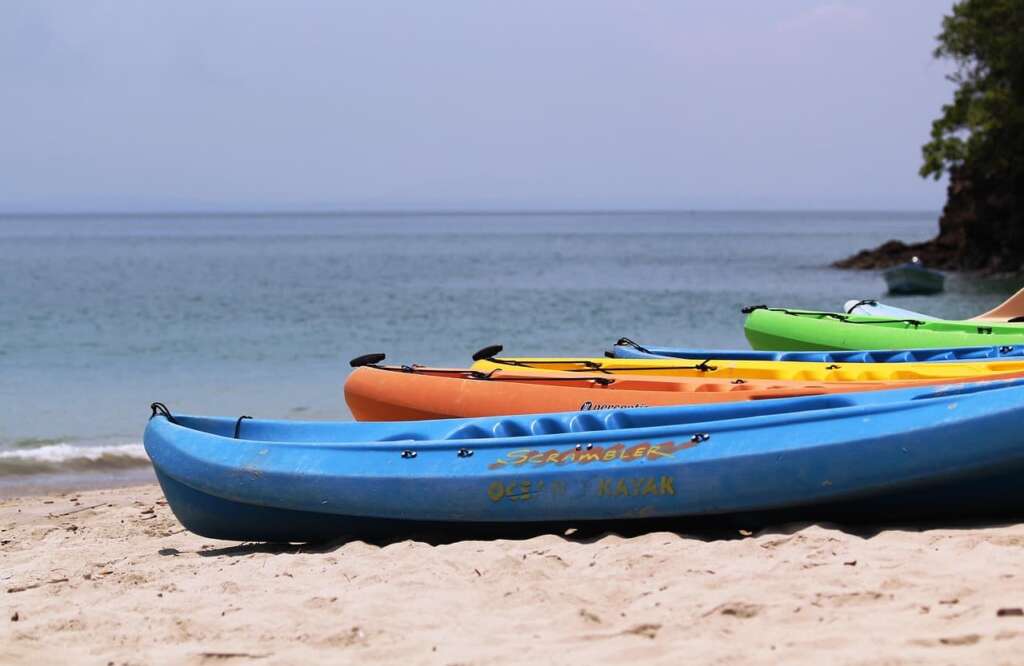
People who live in Costa Rica rarely spend their weekends chasing the most famous beaches. Instead, they look for places that are close enough to leave after work on Friday and still arrive before dark.
On the Pacific side, towns like Playa Hermosa (near Jacó), Playa Bejuco, or smaller stretches of coast just outside major surf hubs are popular choices. They’re less crowded, more affordable, and easier to navigate without a car.
These trips often look simple: one night near the beach, a long walk at sunset, soda food for dinner, and a slow coffee the next morning before heading back inland. Check out this guide to to Costa Rican beach towns!
2. Mountain Towns and Cooler Climates
After a week in coastal heat or city humidity, many locals and long-term residents head up, not out.
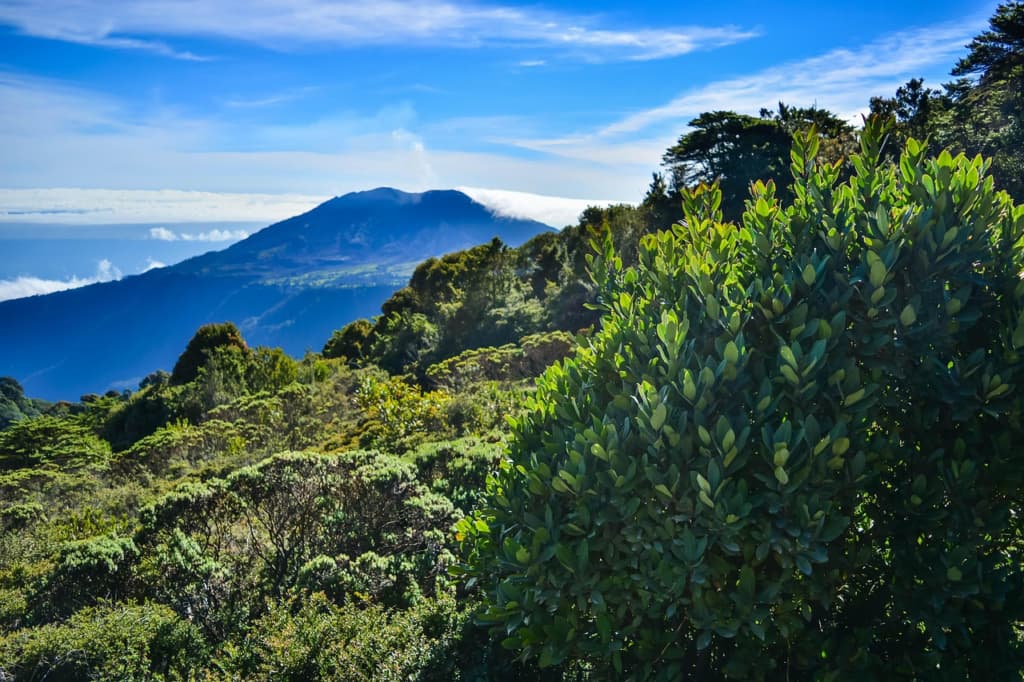
Mountain towns like Atenas, San Ramón, or areas outside Cartago offer cooler air, misty mornings, and a quieter rhythm. These aren’t tourist towns in the traditional sense—they’re places where people hike short trails, read on covered patios, and sleep deeply.
Weekends here are about recovery rather than exploration. A sweater replaces sunscreen. Rain becomes background noise instead of a disruption.
These trips are especially popular during the rainy season, when beach weather can be unpredictable but the mountains feel calm and grounding.
3. Rivers, Not Resorts
Living in Costa Rica teaches you quickly that rivers are social spaces.
On weekends, families and friend groups pile into buses or cars with coolers and towels, heading for nearby rivers rather than formal attractions. Places like Río Pejibaye, Río Celeste-adjacent swimming spots, or local swimming holes just outside town become gathering points.
There’s no entrance fee, no itinerary, and no rush. You swim, eat, talk, nap, and leave when the rain comes—or when you feel ready.
For many people who teach, work remotely, or live on a local schedule, this kind of weekend feels far more restorative than a packed excursion.
4. Small Town Festivals and Community Events
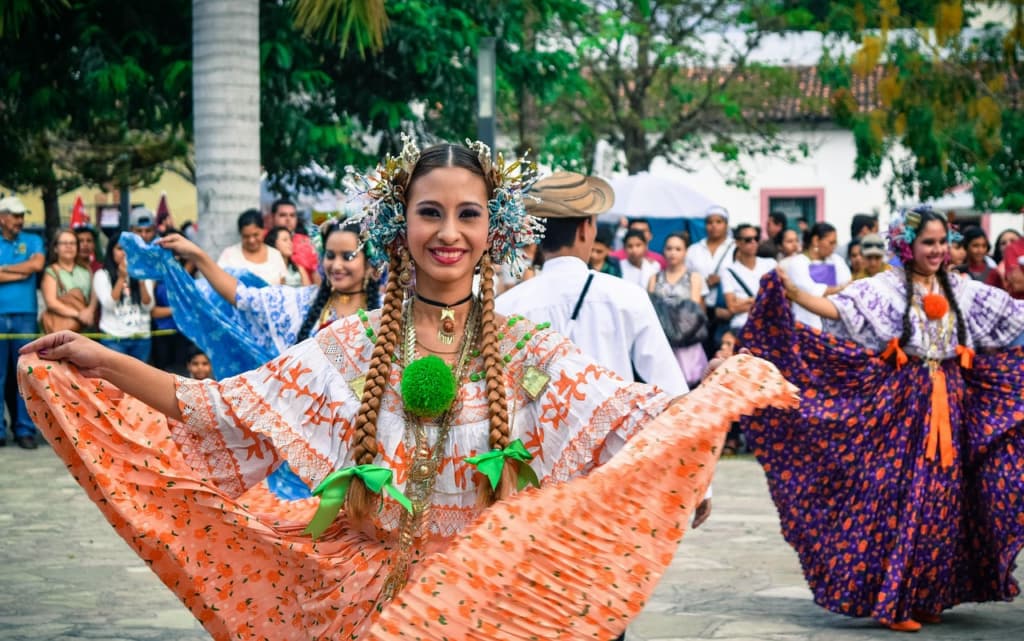
One of the biggest differences between visiting Costa Rica and living there is discovering how often nothing big is happening—and how nice that is.
But when something is happening, it’s usually hyper-local: a town festival, a weekend feria, a school fundraiser, or a cultural celebration tied to food, music, or religion.
These events don’t always make it onto travel blogs, but they’re where you start to feel connected. You recognize faces. You learn what’s seasonal. You stop feeling like a guest.
This is especially common in smaller towns where many people teaching English or working flexible jobs live during the week, making weekend community events an easy and meaningful way to settle in.
5. Staying In (And That’s the Point)
One of the least talked-about weekend activities in Costa Rica is… not going anywhere.
Long-term residents often spend weekends catching up on rest, cooking at home, or sitting outside watching the weather roll in. The pace of daily life—especially if you’re balancing work, teaching, or adapting to a new country—makes stillness feel earned rather than boring.
This slower rhythm is part of why so many people end up staying longer than planned. What begins as a temporary move often stretches into months or years, supported by flexible work options or teaching placements that allow people to build a life rather than just pass through.
For some, that stability comes through structured programs like myTEFL’s Costa Rica job placements, which quietly support the kind of lived-in experience that makes these weekends possible.
Why This Matters If You’re Thinking About Costa Rica Long-Term
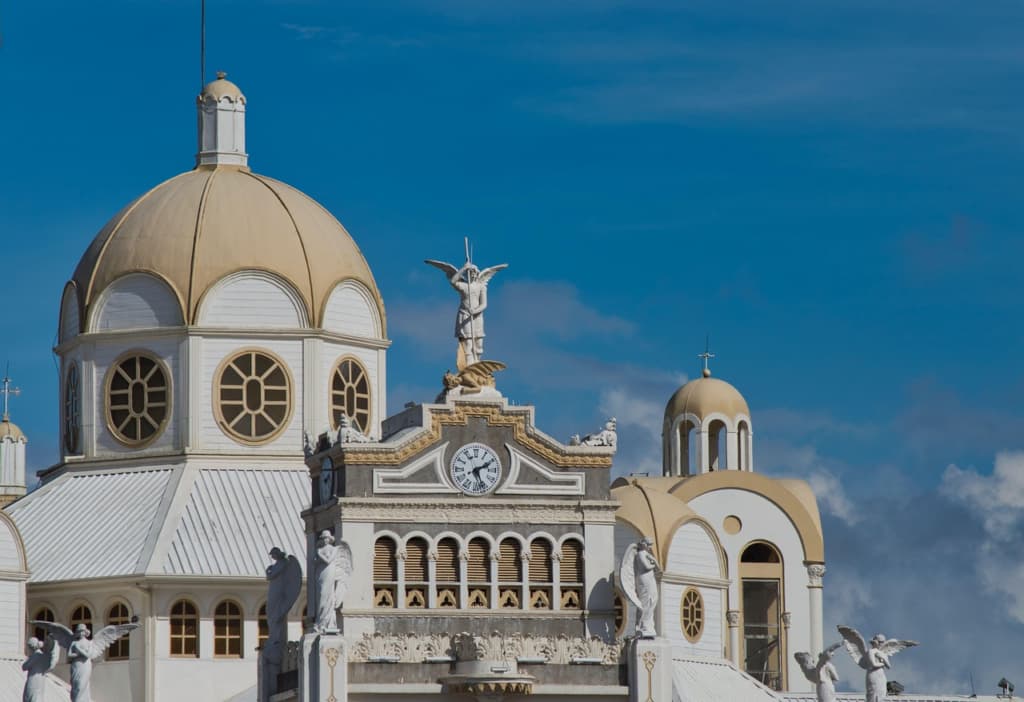
Where you go on the weekends says a lot about how you’re living.
Costa Rica isn’t just a place to visit—it’s a place where people learn to prioritize proximity over prestige, rest over rush, and familiarity over novelty. The real magic isn’t in ticking destinations off a list, but in returning to places that start to feel like yours.
Whether you’re here for a season or considering something longer, these weekend patterns offer a glimpse into what life can look like when Costa Rica isn’t a vacation—it’s home.
And often, it’s those quiet weekends that convince people to stay.