

When people think about teaching English abroad, they often picture travel, adventure, and maybe a short break from “real life.” What they don’t always see is how deeply professional the experience can be. Teaching abroad through a TEFL program doesn’t just give you classroom experience—it builds a set of transferable skills that employers across industries actively look for.
In fact, many former TEFL teachers find that their time abroad becomes one of the most compelling parts of their CV, not despite the fact that it was unconventional, but because it was.
Here are the unexpected, career-ready skills you gain from teaching English abroad—and why they matter long after you’ve left the classroom.
1. Cross-Cultural Communication (Beyond Buzzwords)
Working abroad forces you to communicate across cultural, linguistic, and social boundaries every single day. This goes far beyond being “open-minded” or “good with people.” You learn how to explain complex ideas simply, read non-verbal cues, adjust your tone for different audiences, and navigate misunderstandings without frustration.
For employers, this translates directly into:
- Strong interpersonal communication
- Cultural sensitivity in global teams
- The ability to collaborate with people from diverse backgrounds
In an increasingly international job market, this is a concrete and highly valuable skill—not just a nice personality trait.
2. Public Speaking and Presentation Confidence

Standing in front of a classroom—especially in your second language environment—does wonders for your confidence. TEFL teachers quickly learn how to project their voice, hold attention, and explain ideas clearly, even when students are distracted, confused, or disengaged.
Over time, this builds:
- Comfort speaking in front of groups
- Clear and persuasive presentation skills
- Confidence under pressure
These are the same skills needed for meetings, pitches, workshops, client presentations, and leadership roles. Looking to expand your public speaking skills? Check out Toastmasters.
3. Adaptability and Problem-Solving in Real Time
Lesson plans don’t always go as expected. Technology fails. Students arrive late. A class level isn’t what you were told it would be. Teaching abroad teaches you how to adapt on the fly without panicking or freezing.
You learn how to:
- Think quickly and creatively
- Adjust plans in real time
- Solve problems with limited resources
Employers value candidates who can handle uncertainty calmly—and TEFL teachers do this daily, often in environments far outside their comfort zones.
4. Leadership Without Authority
Many TEFL teachers step into classrooms without the traditional authority structures they may be used to. You might be younger than your students, teaching adults, or working in a culture where classroom dynamics differ significantly from what you expect.
This teaches you how to:
- Lead through respect rather than hierarchy
- Motivate and manage groups diplomatically
- Set boundaries while remaining approachable
These are the exact leadership qualities employers look for in team leads and managers, especially in collaborative or creative industries.
5. Emotional Intelligence and Conflict Management
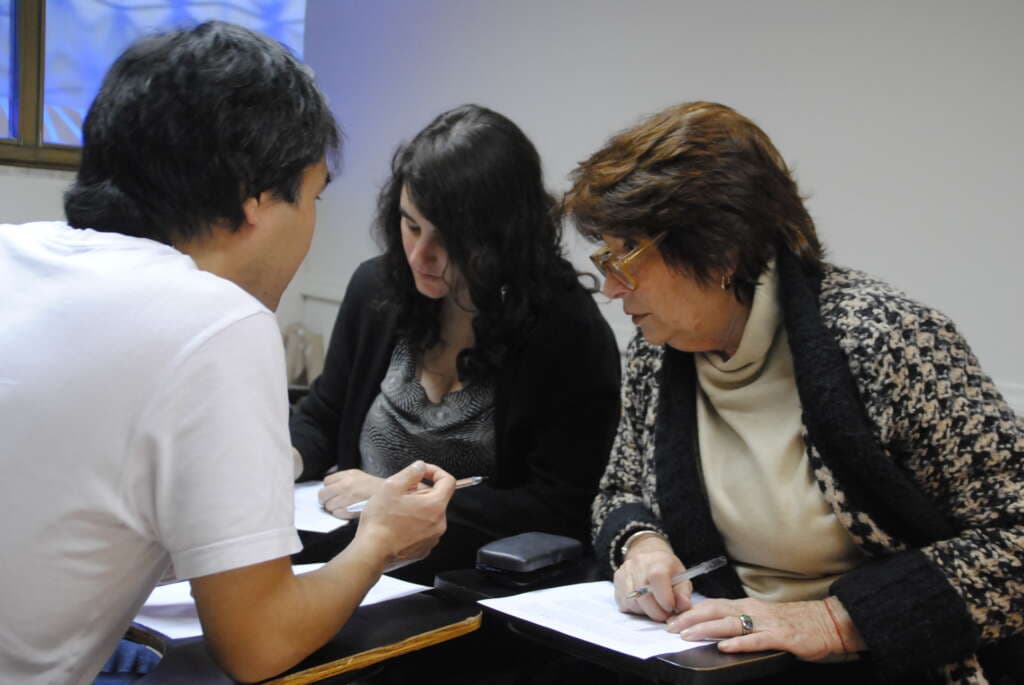
Teaching is deeply human work. You encounter students with different learning styles, confidence levels, and personal challenges. Navigating this requires empathy, patience, and emotional awareness.
Over time, you develop:
- Strong emotional intelligence
- Conflict resolution skills
- The ability to give constructive feedback
These skills are invaluable in client-facing roles, HR, education, healthcare, customer success, and management positions.
6. Self-Reliance and Professional Independence
Living and working abroad means handling your own logistics—housing, visas, transportation, healthcare—often in a language you’re still learning. This level of independence builds confidence and resilience that shows up in professional settings.
Employers notice when candidates demonstrate:
- Initiative and accountability
- Independence without isolation
- Confidence navigating unfamiliar systems
Teaching abroad proves you can function—and thrive—without constant supervision.
7. Time Management and Organization
Between lesson planning, grading, adapting materials, and managing multiple classes, TEFL teachers quickly become excellent organizers. You learn how to prioritize tasks, meet deadlines, and manage your energy.
These skills are directly transferable to:
- Project management
- Administrative roles
- Remote and hybrid work environments
It’s not just about being “busy”—it’s about being effective.
8. A Global Perspective Employers Can’t Teach

Perhaps the most intangible—but powerful—skill gained from teaching abroad is perspective. Living in another country changes how you see work, success, and communication. You become more flexible, less reactive, and better at seeing the bigger picture.
This perspective often makes former TEFL teachers:
- Better collaborators
- More thoughtful decision-makers
- Stronger contributors in diverse workplaces
It’s a quality that can’t be learned in a classroom or corporate training program. And with myTEFL you can gain this skill from lots of countries including China or Japan.
Turning TEFL Experience into Career Capital
The key to leveraging TEFL experience is learning how to articulate it. Teaching English abroad isn’t “just teaching”—it’s international work experience that demonstrates adaptability, leadership, communication, and resilience. Check out Harvard Business School’s article on transferable skills.
At myTEFL, we see graduates use their teaching experience to transition into careers in education, business, marketing, nonprofit work, international relations, and more. Teaching abroad isn’t a detour—it’s a foundation.
If you’re considering TEFL but worried about how it fits into your long-term career, the answer is simple: it fits better than you think.