
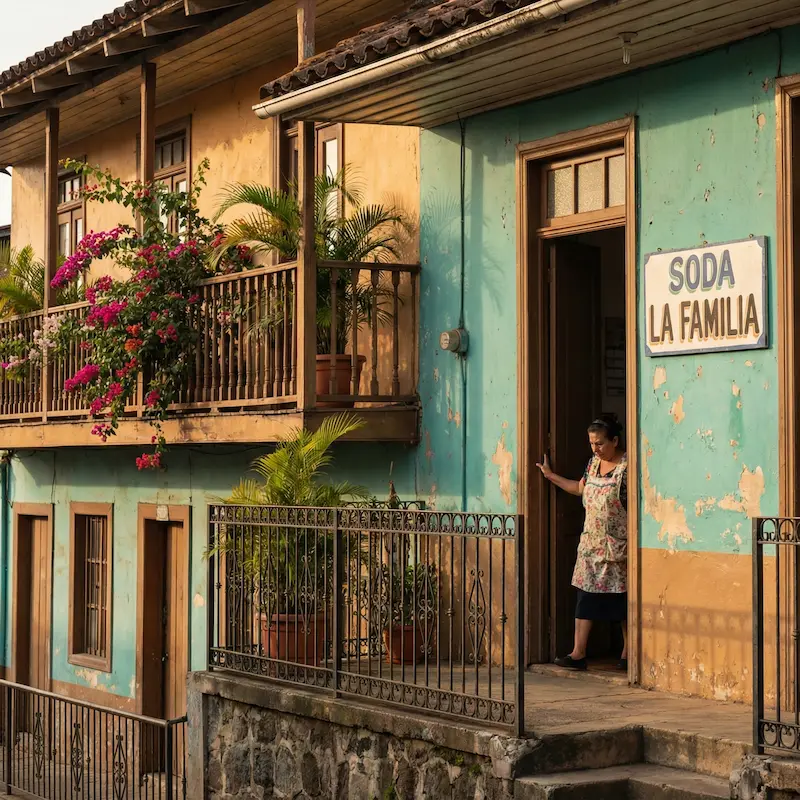
Teaching English in Costa Rica: The Complete Guide to Visas, Salaries & Living in the GAM
Costa Rica is often cited as the “happiest country in the world,” and for TEFL teachers, it represents the holy grail of Latin America: a tropical paradise with a stable economy, drinkable tap water, and a high demand for English. However, it is also one of the most bureaucratic and misunderstood markets in the industry.
If you have been scouring forums, you have likely found contradictory advice. Some say you can just “show up and find work,” while others warn of immigration crackdowns. The truth lies in the details.
This deep-dive guide covers the specific realities of the Costa Rican job market in 2025, from the Aguinaldo bonus to the specific documents you need to bring from home.
1. The Legal Landscape: Beyond the “Border Run”
The single biggest differentiator between a professional teaching experience and a stressful backpacking trip is your visa status. Costa Rican immigration laws are strict, and working on a tourist visa carries real risks, including deportation and entry bans.
The “Special Category” Work Permit
Legitimate schools will sponsor you for a Temporary Residence / Special Category (Categoria Especial) visa. This is not a full residency, but a specific permission to work for a specific employer.
⚠️ The Document Checklist (Do This Before You Leave):
To process this visa, you cannot just bring your passport. You must bring the following documents from your home country, and they MUST be Apostilled (authenticated for international use):
- Original Birth Certificate: Apostilled (not older than 6 months).
- Federal Criminal Background Check: (e.g., FBI check for Americans). This must be spotless and Apostilled.
- University Diploma: A notarized copy, Apostilled.
If you arrive in Costa Rica without these Apostilled documents, you often cannot apply for the visa without flying home.
The Benefit of Legality: The “Caja” (CCSS)
Why bother with the paperwork? Because legal employees in Costa Rica are enrolled in the Caja Costarricense de Seguro Social (CCSS).
This is Costa Rica’s universal healthcare system. As a legal teacher, a small percentage of your salary is deducted, and in return, you get full medical coverage—doctor visits, prescriptions, and emergency care—for free. “Under the table” teachers have no coverage and must pay cash at private clinics.
2. Money Matters: The “Aguinaldo” & Real Earnings
Let’s talk numbers. Costa Rica is not a place to save $10,000 a year (go to South Korea for that). It is a “break-even” destination where the currency is lifestyle, not dollars. However, the financial package for legal teachers is better than it appears on paper.
The Salary Breakdown
- Standard Hourly Rate: 4,500 – 6,500 CRC ($8.50 – $12.00 USD) per hour.
- Monthly Average: $800 – $1,200 USD (based on 20-25 contact hours).
- Private Tutoring: $15 – $25 USD per hour (high demand for business English).
The Secret Weapon: The “Aguinaldo” (Christmas Bonus)
This is the best-kept secret of working legally in Costa Rica. Under Costa Rican labor law, every legal employee is entitled to an Aguinaldo.
This is a 13th-month salary paid in the first weeks of December. It is calculated as an average of your earnings over the previous year. It is mandatory, and it is tax-free. For teachers, this bonus provides the cash cushion needed to travel during the Christmas break or buy a flight home.
3. Location, Location, Location: The GAM vs. The Beach
A major misconception is that you will be teaching in a hut on the beach. While those jobs exist, they are rare, pay poorly, and are often seasonal.
90% of the stable, high-paying work is in the GAM (Great Metropolitan Area)—specifically the Central Valley. This region is cooler (temperature-wise) and urban.
Neighborhood Guide for Teachers
| Area | Vibe | Best For… |
|---|---|---|
| San Pedro / Barrio Escalante | Trendy, youthful, university hub. Full of gastropubs, cafes, and students. | Younger teachers who want nightlife and walkability. |
| Heredia | “The City of Flowers.” A colonial city just north of San Jose. Safer and more relaxed. | Teachers who want a “local” feel and a shorter commute to many language schools. |
| Escazú / Santa Ana | The “Beverly Hills” of CR. Malls, English cinemas, American chains. | Teachers working for corporate clients or international schools (higher rent). |
| Alajuela | Near the airport. Warmer weather, busy, working-class vibe. | Teachers who want cheaper rent ($250-$300/mo) and authentic culture. |
4. The Classroom Experience
Costa Rican students (Ticos) are famously friendly, polite, and talkative. You will rarely deal with behavioral issues common in other regions. The challenge here is not discipline; it is keeping the energy high.

- The “Split Shift” Schedule: Most language institutes cater to working professionals and university students. This means your peak teaching hours are often 6:00 AM – 9:00 AM and 5:00 PM – 9:00 PM.
- The “Hueco” (The Gap): You will likely have a gap in the middle of the day. Successful teachers use this time to lesson plan, hit the gym, or teach online to supplement their income.
- Business English Demand: Costa Rica hosts massive operations for Amazon, Intel, and HP. There is huge demand for “Corporate English”—teaching soft skills and email etiquette to IT professionals.
5. Cost of Living Reality Check (2026 Estimates)
Costa Rica is the most expensive country in Central America. Your biggest expense will be housing.
- Shared House (Teacher housing): $300 – $400 USD/month.
- Private “Tico” Apartment (unfurnished): $450 – $600 USD/month.
- Food: Local “Sodas” (cafeterias) serve a Casado (rice, beans, salad, meat) for $5-$7. Western fast food is expensive ($10+ for a combo).
- Transport: Uber is ubiquitous and cheap in the GAM. Buses are incredibly cheap ($0.75 per ride) but can be confusing.
💡 Pro Tip: The “Feria” Strategy
Do not shop at Auto Mercado (the high-end grocery store) unless you want to pay US prices. Go to the weekly Feria del Agricultor in your neighborhood. You can buy a week’s worth of fresh tropical fruit, avocados, and vegetables for under $25 USD.
6. Why Choose a Sponsored Internship?
Given the complexity of the visa process and the saturation of the job market in the Central Valley, “winging it” is becoming increasingly difficult. The myTEFL Costa Rica Internship was built to solve the specific pain points mentioned above.
The myTEFL Difference:
- Pre-Departure Document Review: We ensure your FBI checks and apostilles are correct before you get on the plane, preventing a visa nightmare.
- Guaranteed Placement: You walk into a job with a contract, not a list of schools to cold-call.
- Orientation Week: We don’t just drop you at a school. You get a week of Spanish lessons, dance classes, and accommodation setup to soften the landing.
- Lifetime Placement: If you finish your contract and want to move to Asia or Europe, our team helps you transfer to your next destination.
Teaching in Costa Rica is an adventure, but it shouldn’t be a gamble. Contact us today to check your eligibility for the next Costa Rica intake.