

If you’ve ever wondered how far $1,000 USD can actually go around the world, the answer is: far more than you might expect—depending on where you live.
In some places, that amount barely covers rent. In others, it can support a full lifestyle—housing, food, transportation, and even some room for leisure.
Here’s a realistic look at what $1,000 per month can look like in countries where people are quietly building lives abroad.
Thailand
The “comfortable but simple” lifestyle
- Rent: $250–$500 (studio or small apartment)
- Food: $150–$250 (mostly local meals)
- Transport: $30–$60
- Extras: $100–$200
What it feels like:
You’re not living luxuriously, but you’re comfortable—eating well, living in a decent apartment, and still having some flexibility for travel or social life.
Vietnam
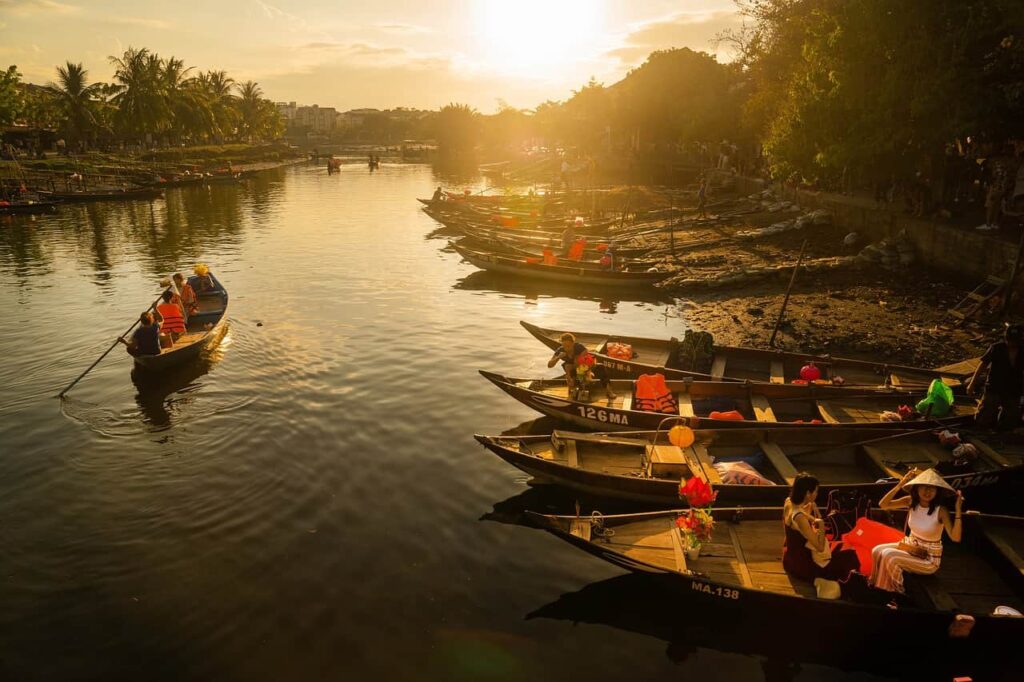
The “you can actually save money” option
- Rent: $300–$600
- Food: $100–$200
- Transport: $20–$50
- Extras: $150+
What it feels like:
Vietnam is one of the few places where $1,000 can cover your lifestyle and still leave room to save. Cities like Ho Chi Minh City remain relatively affordable compared to Western standards.
Mexico
The “balanced lifestyle” destination
- Rent: $300–$700
- Food: $150–$300
- Transport: $40–$80
- Extras: $100–$200
What it feels like:
You get a mix of affordability and familiarity, especially in mid-sized cities. There’s a strong café culture, vibrant social life, and a more relaxed pace.
Costa Rica
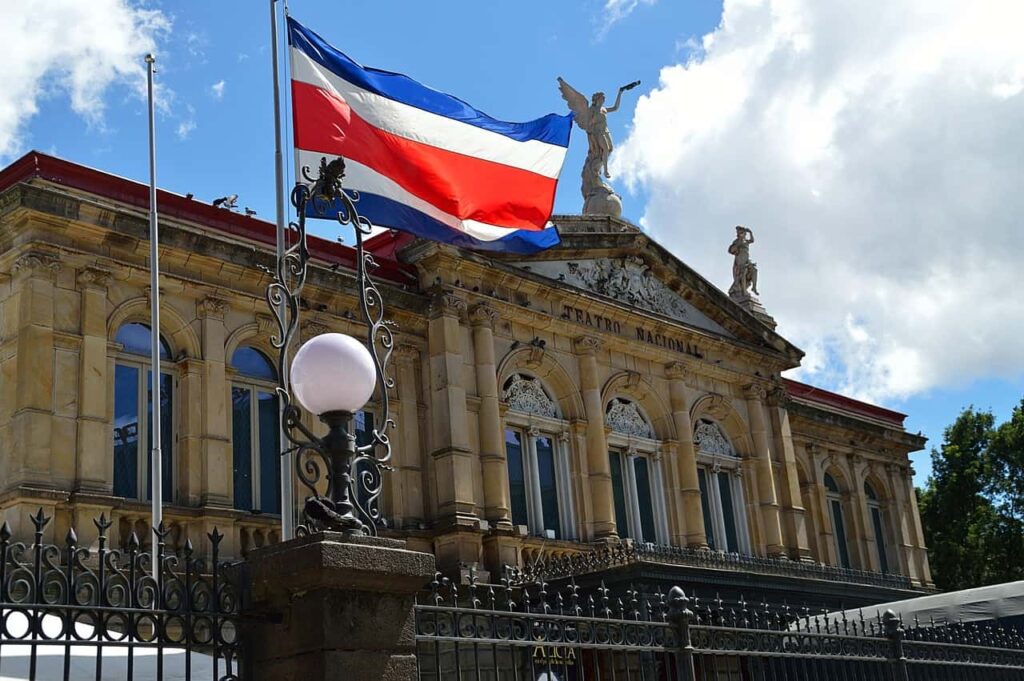
The “nature-first” lifestyle
- Rent: $400–$800
- Food: $200–$350
- Transport: $50–$100
- Extras: $100
What it feels like:
Your money doesn’t stretch quite as far here, but you’re trading that for access to beaches, rainforests, and a slower, outdoor-focused lifestyle.
South Korea
The “structured and modern” experience
- Rent: Often covered (a major advantage)
- Food: $200–$400
- Transport: $50–$100
- Extras: $200
What it feels like:
Without rent to worry about, $1,000 goes a long way. You can live comfortably in a highly developed country with strong infrastructure and still have disposable income.
Spain
The “lifestyle over savings” choice
- Rent: $500–$900
- Food: $200–$350
- Transport: $50–$100
- Extras: Limited
What it feels like:
You may not save much, but you gain quality of life—walkable cities, social culture, and a lifestyle centered around balance rather than work.
Taiwan

The underrated middle ground
- Rent: $400–$700
- Food: $150–$300
- Transport: $30–$70
- Extras: $150
What it feels like:
Taiwan offers a strong balance between affordability and modern convenience, with clean cities, reliable infrastructure, and a welcoming environment for foreigners.
What This Actually Means
In places like North America or the UK, $1,000 a month often covers only the basics. In many parts of Asia and Latin America, it can support a full and comfortable lifestyle.
That difference is why more people are choosing to live abroad—not just travel.
The Subtle Shift

Many people who end up living in these countries don’t begin with a long-term plan. They start by trying something new—taking a course, moving abroad for a year, or simply looking for a change.
And then they stay.