
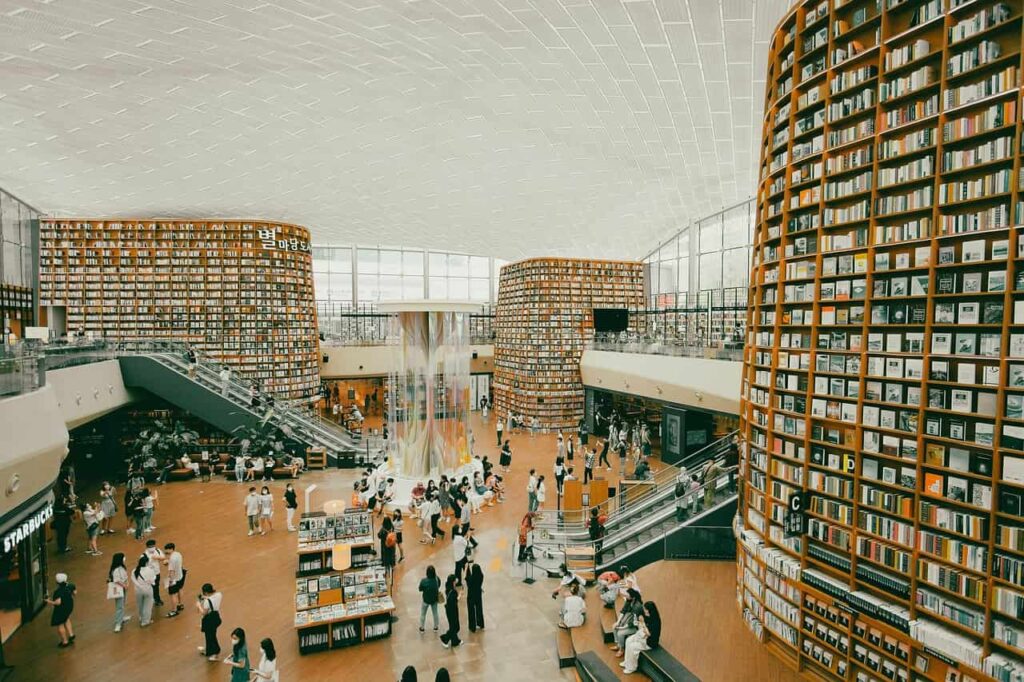
Spoiler: it’s equal parts chaos, caffeine, and surprisingly wholesome moments.
7:00 AM – The Alarm (and mild regret)
My alarm goes off way too early, and for a split second, I forget I live in South Korea. Then it hits me: I’m halfway across the world… and I have 25 energetic kids waiting for me in a few hours because I’m a TEFL instructor.
I roll out of bed, throw on some comfy clothes, and head to the kitchen. Breakfast is usually quick—toast, eggs, maybe a banana—but if I’m feeling ambitious (or just really hungry), I’ll grab a kimbap from the convenience store downstairs. Korea does convenience stores right.
8:00 AM – Commute Mode
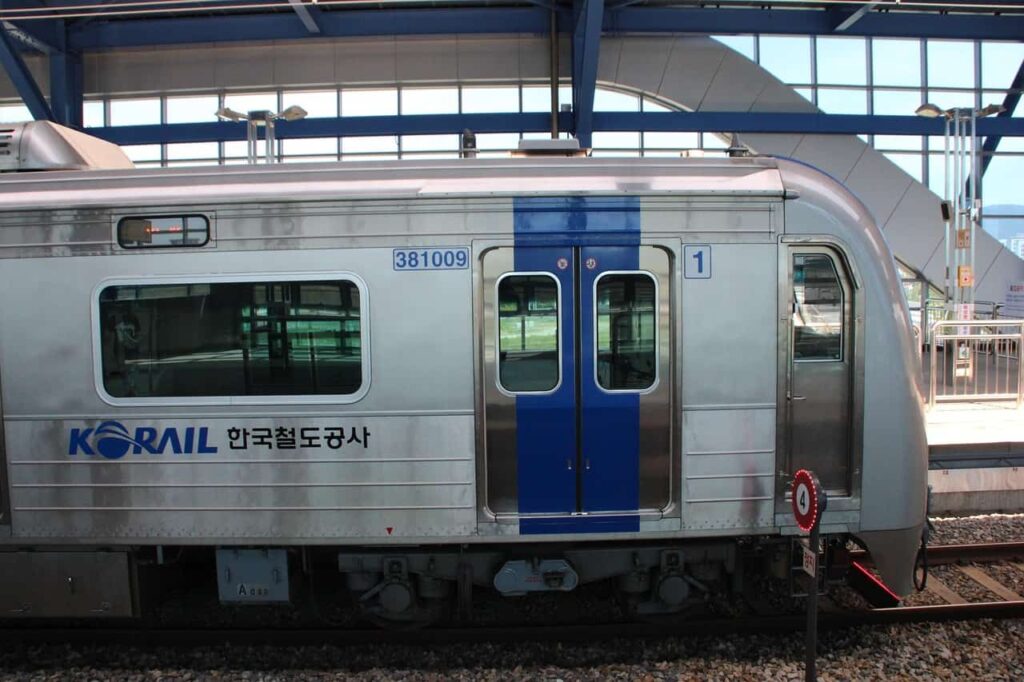
I hop on the bus or subway, coffee in hand (essential), and mentally prepare for the day. Commuting here is super easy, and honestly, kind of peaceful. Everyone’s quiet, glued to their phones, and I use this time to quickly glance over my lesson plan.
Pro tip: even if you’ve planned, be ready to improvise. Always.
8:30 AM – Arrival & Prep Time
I get to my school—usually a private academy (hagwon)—and check in with the other teachers. There’s a mix of locals and fellow foreigners, and we all bond over one universal truth: kids are unpredictable.
I print worksheets, set up games, and maybe tweak my lesson plan last-minute. Sometimes I feel super prepared. Other times? We’re winging it with confidence.

9:00 AM – First Class: Tiny Humans, Big Energy
My first class is usually younger students—think kindergarten or early elementary. They walk in half-asleep but somehow still bursting with energy.
We start with simple greetings:
“Good morning!”
“How are you?”
Cue a chorus of “I’m fine thank you, and you?” (even when they are clearly not fine).
Lessons are super interactive—songs, flashcards, games, and a lot of exaggerated facial expressions. You will feel like a performer. And honestly? That’s part of the fun.
10:30 AM – Snack Break & Survival Mode
Between classes, I grab a quick snack—usually something from my desk stash (every TEFL teacher has one). Think granola bars, instant coffee, maybe some questionable candy a student gave me.
This is also when I reset mentally. Teaching back-to-back can be exhausting, especially when you’re constantly “on.”
11:00 AM – Mid-Morning Classes: Slightly More Chaos
These classes are a mix of levels. Some students are super eager and chatty, others are shy and need encouragement. You quickly learn how to balance patience, energy, and classroom control.
This is where games become your best friend. Vocabulary bingo, role-playing, even simple competitions—anything to keep them engaged.
Also, expect the unexpected:
- A student barking randomly (yes, really)
- Someone asking if you know their cousin in Canada
- A heated debate about whether pineapple belongs on pizza
12:30 PM – Lunch Break (Finally)
Lunch is sacred.
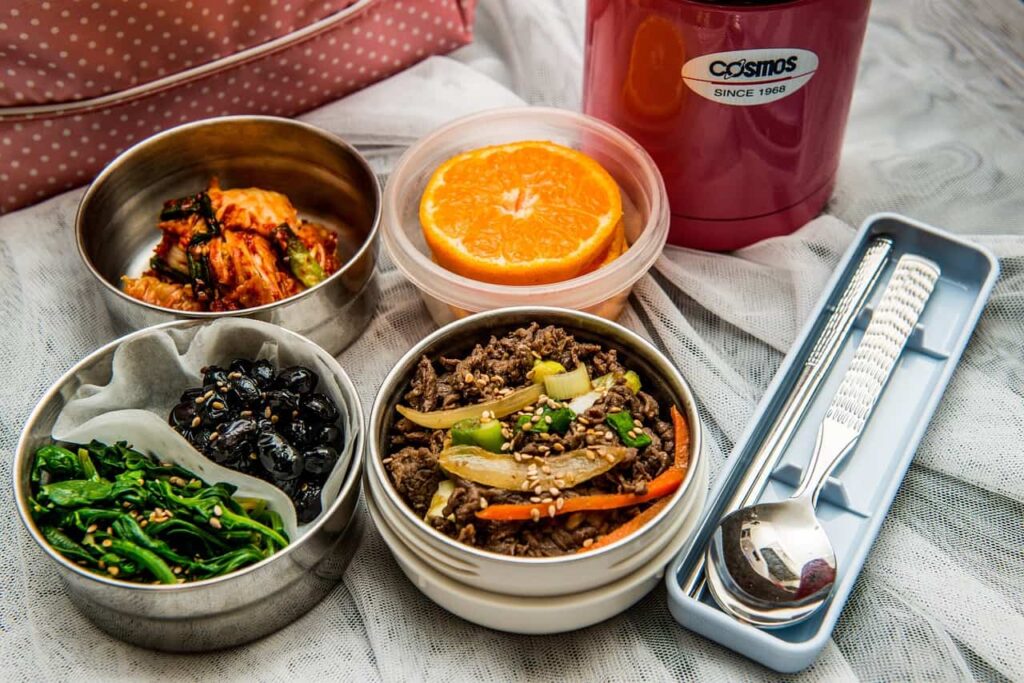
Lunch is usually rice, soup, and a bunch of side dishes I’m still learning the names of. Korean food is way more diverse than most people expect (seriously—there’s a whole world beyond BBQ)
It’s also when you start to feel that sense of community. Teaching abroad can feel overwhelming at first, but your coworkers quickly become your support system.
1:30 PM – Lesson Planning & Admin Time
Afternoons are a bit calmer (depending on your schedule). I use this time to:
- Plan future lessons
- Grade worksheets
- Enter student feedback
- Drink more coffee
This is also when you start getting creative. TEFL teaching isn’t just following a textbook—you’re constantly finding ways to make learning fun and memorable.
3:00 PM – Afternoon Classes: Big Kids, Big Personalities
Older students = more conversation, more opinions, and sometimes… more attitude.
We focus on speaking, reading, and writing. These classes feel more like actual discussions:
“What did you do this weekend?”
“What do you want to be in the future?”
Some students are incredibly motivated, while others would rather be anywhere else. Your job? Meet them where they’re at and keep things engaging.
5:00 PM – The Final Stretch
Energy is running low (for both you and the students), but you push through. These last classes can be tough, but they’re also where you see the most progress.
When a student finally uses a full sentence confidently or understands something they struggled with before—it’s a win.
6:00 PM – Freedom (aka You Made It)
Classes are done, and it’s time to head home—or out.
Some days I go straight back, throw on Netflix, and recharge. Other days, I meet friends for dinner, explore a new neighborhood, or try a random restaurant I found on Instagram.
Living in Korea means there’s always something to do:
- Late-night street food
- Karaoke (noraebang)
- Cafés that look like they belong in a Pinterest board
8:00 PM – Dinner & Chill
Dinner might be Korean BBQ, ramen, fried chicken, or something quick at home. Food here is a huge part of the experience, and honestly, it never gets old.
This is also when I reflect on the day—what worked, what didn’t, and what I’ll do differently tomorrow.
10:30 PM – Wind Down
I scroll a bit, maybe message friends and family back home (time zones are fun), and start getting ready for bed.
Teaching abroad can be exhausting, but it’s the kind of tired that feels earned.
The Reality Check (aka What It’s Really Like)
Not every day is perfect. There are moments of frustration, language barriers, cultural differences, and days where nothing goes according to plan.
But there are also moments that make it all worth it:
- A student remembering something you taught weeks ago
- Kids excited to see you
- Feeling like you’re actually making an impact
Final Thoughts
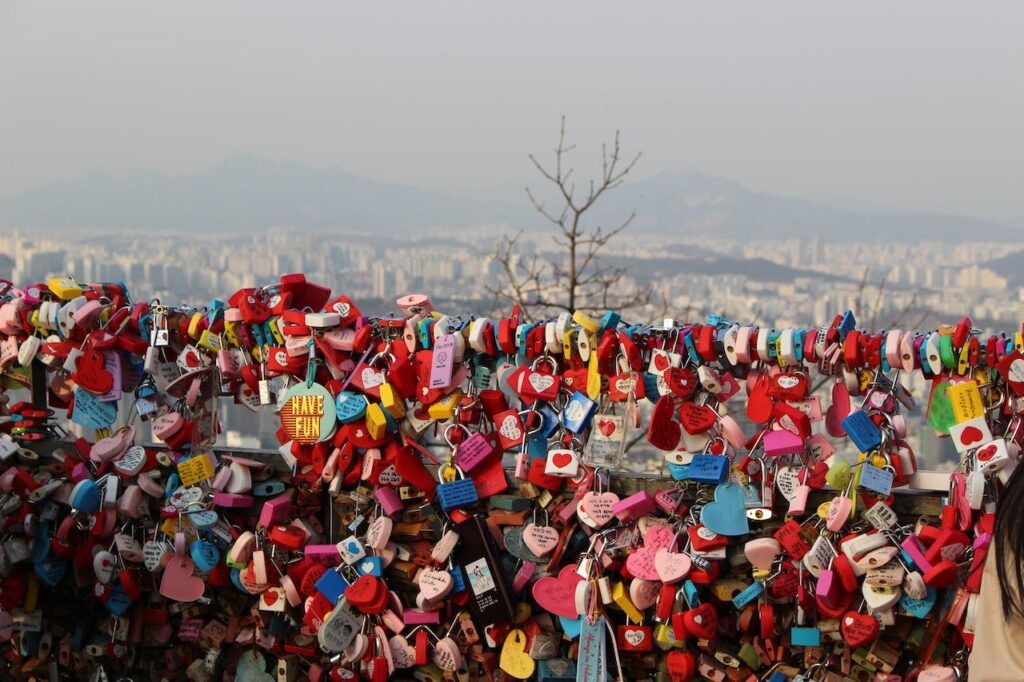
Being a TEFL teacher in South Korea isn’t just a job—it’s an experience. You grow, adapt, and learn just as much as your students do.
One day you’re struggling to manage a classroom, the next you’re confidently leading lessons like a pro. And somewhere in between, you build memories you’ll carry long after you leave.
Would I do it again?
Absolutely.