
Teach English in Venezuela
The 2026 Reality Guide: Dollarization, Starlink, and Teaching for the Resilient.
Let's be brutally honest: Venezuela is not a standard TEFL destination. It is a country of extreme contrasts, where breathtaking natural beauty meets complex political and economic challenges. In 2026, it is a destination only for the experienced, the connected, or the adventurous.
The local economy has effectively dollarized. While local Bolivar salaries for teachers are often unlivable (under $100/month), the cost of living in secure areas of Caracas can rival Miami. Therefore, the only viable strategy for foreign teachers is to live in Venezuela while earning a stable USD income online, or to secure one of the rare, high-paying contracts at an elite International School.
For those who choose this path, a myTEFL 120-hour certificate is your digital lifeline. It qualifies you for the remote jobs that will fund your life in Caracas or Margarita, and it is the standard credential expected by the few top-tier private schools that still hire from abroad.
Quick Facts
What’s in this guide?
A frank look at life in the Federation. How to manage money (Zelle/Cash), ensure your safety, and why Starlink is a teacher's best friend.
- The TEFL jobs market in Venezuela
- International Schools vs. Online
- The Dollar vs. The Bolivar
- Visa Realities & Border Runs
- Requirements for 2026
- Infrastructure: Power & Internet
- Cost of living: Caracas vs. Margarita
- Where to teach: Caracas, Valencia, Lechería
- Getting hired: The Independent Route
- Venezuela TEFL FAQs
The TEFL jobs market in Venezuela
The market here is "bifurcated." On one side, you have local academies paying in Bolivars or small amounts of USD cash. These jobs are often insufficient for a foreigner to live on. On the other side, there is a small, elite circle of International Schools (British/American curriculum) in Caracas and Valencia that pay full expat packages ($2,000+ USD) to qualified, licensed teachers.
For the 99% of teachers who don't land those elite jobs, the strategy is Online Teaching. Venezuela's time zone (GMT-4) aligns perfectly with North American students.
Warning: Networking is everything. Most private tutoring gigs with wealthy families are found through word-of-mouth in safe social circles (country clubs, gated communities). Cold-applying to local schools is rarely effective or safe.
- Population: 28 million
- Language(s): Spanish
- Currency: Bolivar (VES) / USD (De facto)
- Capital city: Caracas
- Local Salary: Extremely Low
- Security Risk: High / Critical
- Climate: Tropical
- Main Transport: Private Driver / Uber
- Internet: Fiber (Cities) / Starlink
Types of English teaching jobs in Venezuela
From high-security international schools to digital nomad setups.
Online Teaching (Vital)
The only reliable way to earn a living wage. You must bring your own hardware and secure a connection (often Starlink) to bypass local infrastructure failures.
International Schools
Elite schools (e.g., Escuela Campo Alegre). They hire foreign staff with full degrees and licenses. High security, high pay, and visa support.
Private Families
Wealthy families hire live-in or visiting tutors for their children. Found strictly via networking. Payments are usually in USD cash or Zelle.
Local Academies
Small language centers. They hire anyone with English skills but pay very low local wages. Only suitable for volunteering or cultural immersion.
The Dollar vs. The Bolivar
Understanding money in Venezuela is a survival skill. The local currency (Bolivar) suffers from high inflation. As a result, the economy operates largely on US Dollars.
How to Pay: Most transactions are done via Zelle (yes, US bank transfers are common in shops), USDT (Crypto), or physical USD cash (small bills are precious). International credit cards often work but may use unfavorable exchange rates.
Cost of Living Paradox: While local goods are cheap, "imported" or "secure" lifestyles are expensive. Rent in a safe, gated area of Caracas (like Altamira) can cost $800-$1,200 USD/month—prices comparable to Europe. You need a Western salary to live safely.
Monthly Budget (Secure Lifestyle)
| Rent (Secure Area Caracas) | $600 - $1,000 USD |
| Private Internet (Fiber/Starlink) | $80 - $150 USD |
| Groceries (Imported Goods) | $300 - $400 USD |
| Transport (Private Driver/Taxi) | $100 - $200 USD |
| Total Monthly Need | ~$1,200 - $1,800 USD |
Visa Realities & Border Runs
Tourist Visa (90 Days): Most teachers enter on a tourist visa. It is renewable once for another 90 days. Note that for US citizens, obtaining a visa can be difficult and expensive due to diplomatic tensions; it often requires applying at a consulate in a third country (like Colombia or Mexico).
Work Visa (Transeúnte Laboral): Extremely rare for English teachers unless employed by a major International School or Oil/Gas company. The bureaucracy is dense, slow, and expensive.
The Reality
Most foreign teachers in Venezuela are either dual citizens, spouses of Venezuelans, or working "under the radar" on tourist permits while earning money offshore. There is no specific "Digital Nomad" visa here.
Requirements to teach English in Venezuela
Credentials matter less for legality and more for marketability. You need to prove to private clients and online platforms that you are worth the investment.
- 120-Hour TEFL Certificate Essential. Since most work is online or freelance, this is your primary proof of competence. It is required by all major online teaching platforms.
- Resilience & Adaptability Critical. You must be able to handle power outages, water shortages, and sudden internet drops with patience and preparation.
- Hardware You need a powerful laptop, a noise-canceling headset, and ideally a UPS (Uninterruptible Power Supply) to keep your internet router running during blackouts.
- Bachelor’s Degree Required only if you are targeting the few elite International Schools. For online/private work, it is a bonus but not mandatory.
Infrastructure: Power & Internet
The "Bajón" (Power Dip): Venezuela's power grid is unstable. In 2026, frequent fluctuations can reset your router or shut down your PC. Serious teachers invest in a UPS battery backup and a specialized surge protector.
The Starlink Revolution
Starlink has changed the game in Venezuela. While expensive to set up ($300+ for kit), it provides high-speed, reliable satellite internet that bypasses local infrastructure failures. It is highly recommended for anyone relying on online income.
Fiber Optic: In major cities (Caracas, Valencia, Maracaibo, Lechería), private fiber optic companies (like NetUno or Fibex) offer reliable speeds (100Mbps+), often priced in USD ($30-$50/month).
Cost of living & Savings in Venezuela
Venezuela is no longer "cheap" in the way it was in 2018. Dollarization has stabilized prices but raised them to international levels.
Housing: Rents vary wildly. A secure, furnished apartment in Chacao (Caracas) costs $600-$900 USD. In cities like Mérida or on Margarita Island, you can find beautiful places for $300-$500 USD.
Food: "Bodegones" (import stores) sell American products (Nutella, Cereal, Tide) at a premium. Local markets are cheaper for fresh produce. Eating at a nice restaurant costs $20-$40 USD per person.
Monthly Budget (Secure Lifestyle)
| Rent (Secure 1-Bed) | $500 - $900 |
| Internet (Fiber/Starlink) | $50 - $100 |
| Groceries (Mix) | $300 - $400 |
| Transport (Private Driver/Taxi) | $100 |
| Leisure | $200 |
Where to live in Venezuela?
Safety and internet reliability are the primary factors when choosing a city.
Caracas
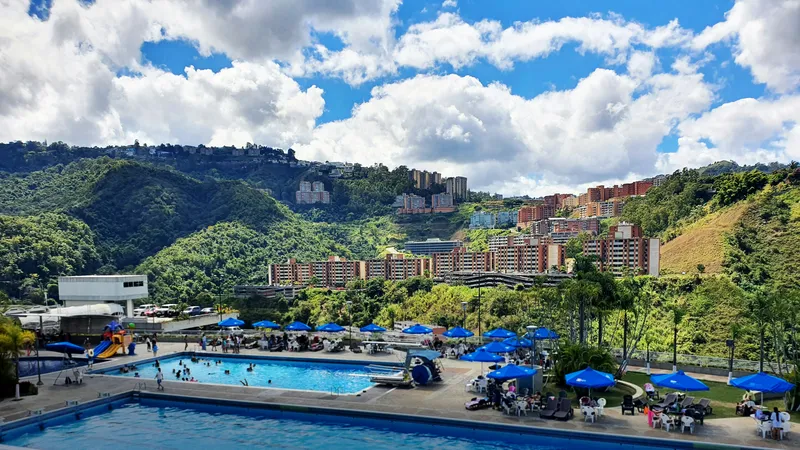
The valley capital. Chaotic, modern, and green. Best internet and amenities. Safe zones: Altamira, Chacao, Las Mercedes. Do not venture into barrios.
Margarita Island
The Caribbean hub. Known for Pampatar and Porlamar. Popular with digital nomads due to better safety and beach lifestyle. Internet has improved significantly.
Lechería
Located in the Anzoátegui state. Often called the "Miami of Venezuela." Very wealthy, very safe, lots of canals and yachts. High cost of living but high security.
Mérida
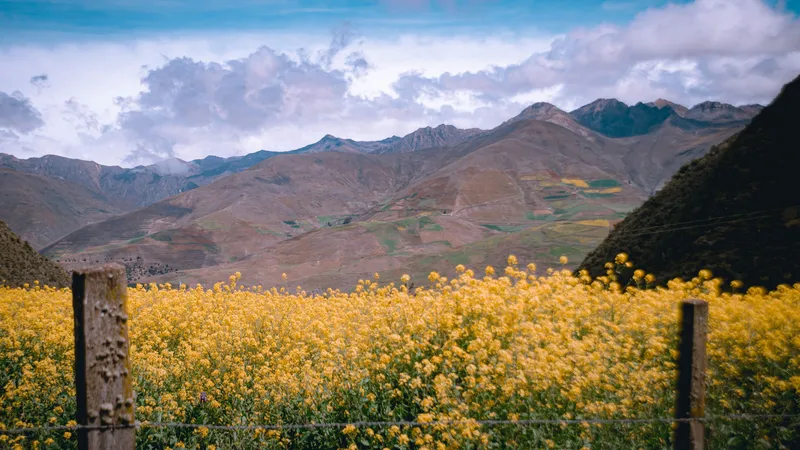
The student city in the Andes. Cooler climate, stunning mountains, and a university vibe. Slower internet and more power cuts than Caracas, but very cheap.
How to make it work in Venezuela
Success in Venezuela requires independence. You need a remote income stream that pays in USD to insulate you from the local economy.
Get Your 120-Hour Certificate
To secure the high-paying online jobs that make living in Venezuela viable, you need a recognized qualification. A 120-hour myTEFL certificate allows you to work for major platforms globally.
- Remote Ready: Accepted by top online schools.
- Portable: Your job moves with you.
- Accredited: Globally recognized.
- Lifetime Access: Resources forever.
Frequently Asked Questions
Crucial survival info for the 2026 Venezuela context.