

Teach English in Russia
The Ultimate 2026 Guide to Work Visas, High-Salary Governess Roles, and Life in the Federation.
Russia remains one of the most lucrative, yet complex, TEFL markets in the world. Despite the geopolitical climate in 2026, the demand for native English speakers—particularly from the US and UK—has not vanished; in fact, it has become more exclusive. Wealthy families and international businesses are willing to pay premium salaries for qualified teachers who can navigate the visa process.
For Western citizens, the door is open but the threshold is higher. The "backpacker teacher" era is over. Today, the market is defined by professional Governor/Governess roles and elite private tutoring, where salaries can rival those in the Middle East. However, you must be prepared for strict bureaucracy, including mandatory medical checks and banking logistics under sanctions.
Whether you are aiming for a high-net-worth family placement in Moscow or a private language school in St. Petersburg, a myTEFL 120-hour certificate is non-negotiable. It is the baseline credential required to secure the "Highly Qualified Specialist" (HQS) visa status that simplifies your entry and residence.
Quick Facts
What’s in this guide?
Your roadmap to the Russian Federation. Learn how to handle the HIV test requirement, transfer money home, and find the highest paying jobs in Moscow.
- The TEFL jobs market in Russia
- Governess Roles vs. Language Schools
- Teacher Salary in Rubles (RUB)
- Work Visas & Medical Checks
- Requirements for 2026
- School Terms & Contracts
- Cost of living: Moscow vs. St. Pete
- Where to teach: Moscow, St. Petersburg, Kazan
- Getting hired: The Independent Route
- Russia TEFL FAQs

The TEFL jobs market in Russia
The Russian market has shifted dramatically. While the volume of entry-level jobs has decreased, the value of qualified native speakers has skyrocketed. Wealthy Russian families, isolated by travel restrictions, are investing heavily in bringing English education into their homes.
This has created a two-tier market. The top tier consists of Governor and Governess roles. These are live-in or rota-based positions with high-net-worth families, often paying $4,000 - $6,000 USD per month. They require impeccable credentials and a polished demeanor.
The second tier is Private Language Schools and Kindergartens (like English First or BKC). These offer stable, legal employment with visa sponsorship, though salaries are more modest (80k - 120k RUB). They are the best entry point for teachers without extensive experience.
- Population: 144 million
- Language(s): Russian
- Currency: Russian Ruble (RUB)
- Capital city: Moscow
- Estimated salary: 80,000 - 150,000 RUB
- Public Holidays: ~14 days (long Jan break)
- Climate: Continental / Subarctic
- Main Transport: Metro & Yandex Taxi
- Internet: Fast (VPN often needed)
Types of English teaching jobs in Russia
Choose between the high-stakes world of private family tutoring or the stability of a language center.
Governess / Governor
The highest paid TEFL job in Europe. You work for a VIP family, mentoring their children. Often includes drivers, travel, and luxury accommodation.
Private Language Schools
Chains and local schools (e.g., BKC-IH). You teach adults Business English or kids after school. They handle the full visa invitation process.
English Kindergartens
Very popular in Moscow. Full-time roles (9 AM - 5 PM) teaching young learners in an immersion environment. High energy required.
Corporate Training
Freelance or contract work teaching staff at major Russian firms. Requires travel to offices. Pays well hourly but hours can be unstable.
TEFL teacher salary in Russia
Salaries in Russia vary wildly. An entry-level teacher at a language school might earn 80,000 RUB, while an experienced Governor can earn 500,000 RUB.
The currency exchange rate is a critical factor in 2026. While living costs in Russia (groceries, transport, utilities) are low for local earners, transferring money home (USD/GBP) can be costly due to banking sanctions and exchange rates.
Most teachers in Moscow find that a salary of 100,000 RUB provides a comfortable, middle-class lifestyle with a private apartment and regular dining out. Anything above 150,000 RUB allows for significant savings.
Monthly Salary Range (RUB)
| Language School (Net) | 80,000 - 120,000 |
| Kindergarten (Net) | 100,000 - 160,000 |
| Governor/Governess | 300,000 - 600,000 |
| Rent (1-Bed Moscow) | 50,000 - 80,000 |
| Metro Pass | ~ 2,500 |
Work Visas & Medical Checks
You cannot legally work on a tourist visa. You must obtain a Work Visa sponsored by your employer.
The Process:
1. Invitation Letter: Your school applies to the Ministry of Interior for an invitation (Telex or paper). This takes 4-6 weeks.
2. Consulate Application: You apply at a Russian consulate in your home country with the invitation and an HIV-negative certificate.
3. Arrival & Medicals: Upon arrival, you have 30-90 days to undergo a comprehensive medical check (blood tests, X-rays, drug test) and fingerprinting to convert your visa into a long-term work permit.
The HQS Visa (Highly Qualified Specialist)
If you earn over 167,000 RUB/month (approx), you qualify as an HQS. This visa is processed faster (2 weeks), is valid for 3 years, and exempts you from some medical quotas. This is the gold standard for Governess roles.
Requirements to teach English in Russia

Russian employers are bureaucratic and specific. To secure a visa invitation in 2026, you generally need the following.
- Bachelor’s Degree Mandatory. Required for the work visa application. The original diploma (often with an apostille) must be presented upon arrival.
- 120-Hour TEFL Certificate Essential. Schools use this to justify hiring a foreigner over a local. For HQS visas, this credential proves your "Specialist" status.
- HIV & Medical Tests Strictly Required. You must pass an HIV test to get the initial visa, and a full battery of drug/health screenings once in Russia.
- Clean Criminal Record A background check from your home country is often required by schools, especially for those working with children or VIP families.
School Terms & Contracts
Hiring Season: The academic year starts in September. Schools recruit heavily in summer. January offers a smaller hiring window.
The Winter Factor
Russian winters are long. Schools often have a long break in early January (New Year holidays). Ensure your contract specifies whether this break is paid or unpaid, as it can significantly impact your January income.
Contracts: Most language school contracts are for 9-12 months. Make sure your contract includes visa support and, ideally, health insurance (DMS - voluntary medical insurance), as public healthcare can be challenging for foreigners to navigate.
Cost of living & Savings in Russia
Russia is surprisingly affordable for those earning a local expat salary. While imported goods (electronics, luxury fashion) are expensive due to sanctions, local goods are cheap.
Housing: In Moscow, a decent 1-bedroom apartment near a metro station costs 50,000 - 80,000 RUB. In St. Petersburg, this drops to 35,000 - 60,000 RUB.
Food & Transport: The Moscow Metro is world-class and costs less than $1 USD per ride. Yandex Taxi (the local Uber) is very affordable. A business lunch (biznes-lanch) costs 400-700 RUB.
Monthly Budget (Single Teacher)
| Rent (1-Bed Moscow) | 60,000 RUB |
| Utilities & Internet | 6,000 RUB |
| Groceries | 15,000 RUB |
| Transport (Metro) | 2,500 RUB |
| Leisure/Dining | 15,000 RUB |
Where to teach English in Russia?
Most jobs are in the two capitals, but regional cities offer a truly immersive Slavic experience.
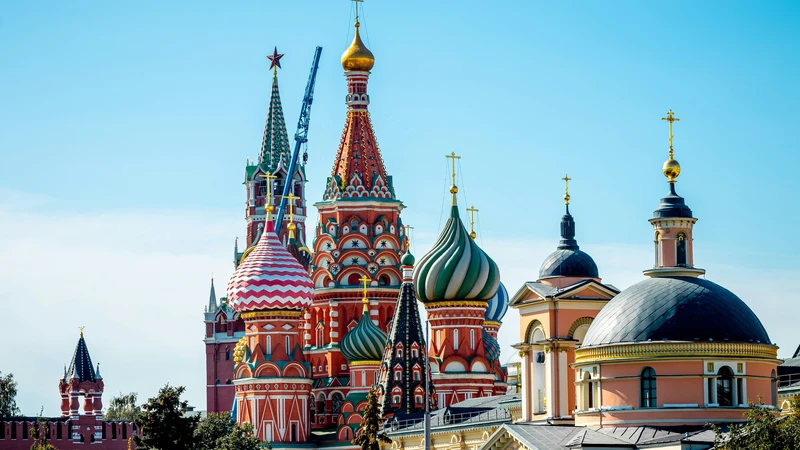
Moscow
The beating heart. Fast, rich, and massive. Home to the vast majority of high-paying VIP jobs and international schools. The best place if your goal is making money.
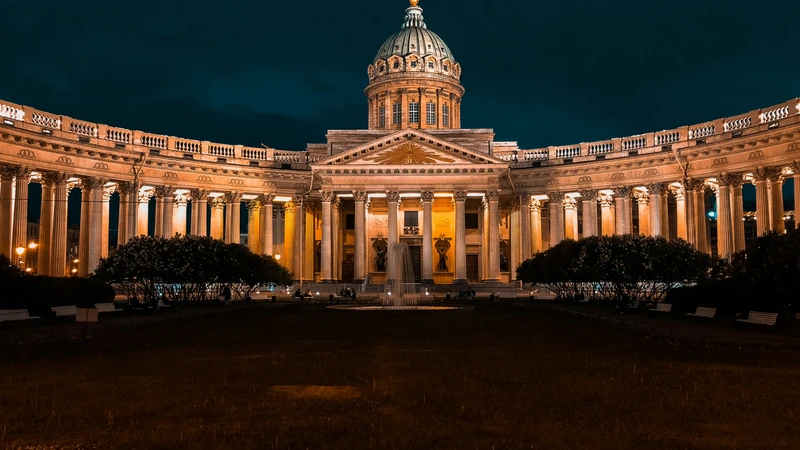
St. Petersburg
The cultural capital. More relaxed, European, and artistic than Moscow. Salaries are lower (by 20-30%), but so is the rent. Incredible architecture and history.
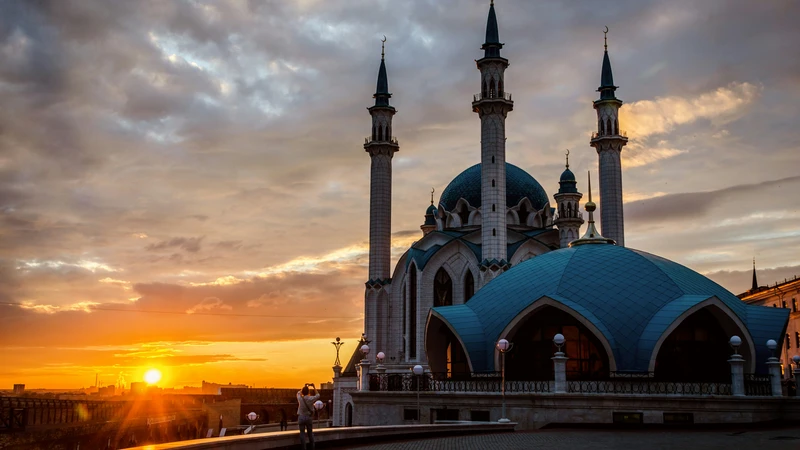
Kazan
The third capital. A melting pot of Slavic and Tatar cultures. Safe, modern, and very affordable. Growing demand for English teachers in this university hub.
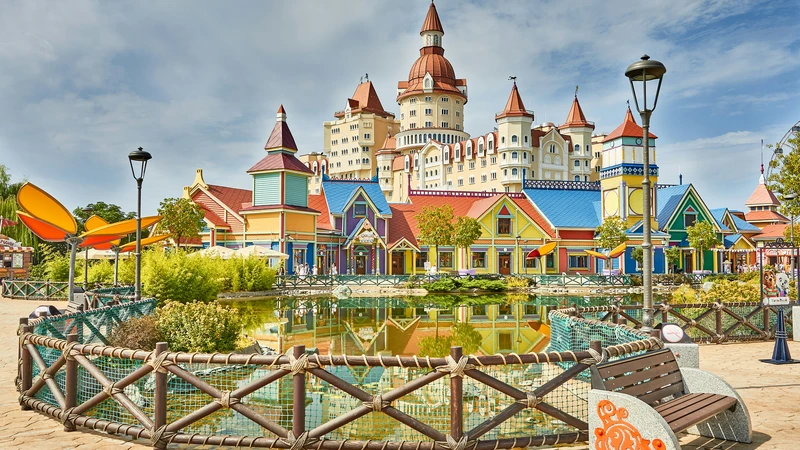
Sochi
The Black Sea resort. Subtropical climate with palm trees and ski slopes nearby. Seasonal work is common here, but permanent schools also exist.
How to get a job in Russia
The market is competitive for the best jobs. Schools and VIP families need assurance that you are a serious, qualified candidate who can navigate the visa process.
Get Your 120-Hour Certificate
Russian authorities and schools expect formal credentials. A 120-hour myTEFL certificate is key to securing HQS status and proving your worth for high-salary governess roles.
- HQS Ready: Supports "Specialist" visa status.
- High Salary: Essential for VIP family jobs.
- Accredited: Recognized by Russian Ministry.
- Lifetime Access: Keep your lesson plans forever.
Frequently Asked Questions
Crucial info for the 2026 Russian teaching landscape.