

Teach English in Japan
The Ultimate 2026 Guide to JET vs. Eikaiwa, Instructor Visas, and Life in the Land of the Rising Sun.
Teaching English in Japan remains one of the most prestigious and culturally rich TEFL experiences in the world. Whether you are aiming for the government-backed JET Programme or a high-energy role in a private academy, Japan offers a unique blend of ancient tradition and futuristic urban life.
In 2026, the Japanese market is highly regulated. Most roles require a degree and a specific work visa. However, for citizens of partner nations, the Working Holiday Visa offers a unique "non-degree" pathway to experience life in Japan. Regardless of your route, a recognized 120-hour TEFL certificate is essential to stand out in this competitive landscape.
This guide simplifies the complexities of the Japanese market. We break down the differences between Instructor and Humanities visas, the non-degree Working Holiday option, and how our placement service connects myTEFL grads with the best schools in the country.
Quick Facts
What’s in this guide?
Plan your Japanese adventure. This start-to-finish guide covers visa logistics, the main job pathways, and the reality of living in a Japanese "Mansion."
- The TEFL jobs market in Japan
- JET vs. Eikaiwa vs. ALT Jobs
- Teacher Salary & Yen Exchange
- Visas: Instructor, Humanities & WHV
- Mandatory requirements for 2026
- School Terms & National Holidays
- Cost of living in Major Cities
- Where to teach: Tokyo to Fukuoka
- Getting hired: The Placement Route
- Japanese TEFL FAQs

The TEFL jobs market in Japan
Japan is a mature, high-demand market that values professionalism and reliability. While the "bubble" of the 90s is over, the Japanese government’s 2026 focus on oral communication in public schools has kept the demand for Assistant Language Teachers (ALTs) at an all-time high.
The market is divided into two distinct worlds: the public school system (supported by the JET Programme or private dispatch companies like Interac) and the private sector (known as Eikaiwa). Public school roles offer better work-life balance, while private academies often provide more urban placements and higher entry-level salaries.
Regardless of the path, the Japanese Ministry of Justice requires a Certificate of Eligibility (CoE) for your visa. Employers look for myTEFL graduates because they know our curriculum covers the specific classroom management and cultural nuances required for the Japanese education system.
- Population: 123 million
- Language(s): Japanese
- Currency: Japanese Yen (JPY)
- Capital city: Tokyo
- Estimated salary: 230k - 300k+ JPY
- Public Holidays: ~16 days (incl. Golden Week)
- Climate: Four distinct seasons
- Main Transport: Shinkansen & Subway
- Internet: World-leading (Fiber/5G)
Types of English teaching jobs in Japan
From government-backed school placements to high-energy private language academies.
ALT (Public Schools)
Work in Japanese elementary, junior high, or high schools as an Assistant Language Teacher. You'll assist Japanese Teachers of English (JTEs).
Eikaiwa (Private)
Private English conversation schools. These cater to children and adults in the evenings and on weekends. High energy and urban-focused.
The JET Programme
The gold standard. Government-backed with the highest entry-level salary and comprehensive support. Extremely competitive application process.
Working Holiday (Non-Degree)
For citizens of partner nations (AUS, NZ, CAN, UK, etc) aged 18-30. Allows you to teach part-time in the private sector without a degree.
TEFL teacher salary in Japan
Salaries in Japan have remained stable for 2026, typically ranging from 230,000 to 300,000 JPY per month ($1,600 - $2,100 USD). While not as high as China, Japan offers a unique standard of living and social security that is among the highest in the world.
A key factor in your Japanese budget is subsidized housing. Most employers will either provide a company-leased apartment or assist with "Key Money" (initial move-in costs). This drastically reduces the barrier to entry for new teachers moving to expensive cities like Tokyo or Osaka.
While the Yen's exchange rate has fluctuated, your local purchasing power remains strong for high-quality food, healthcare, and technology. Many teachers save between $500 and $900 USD per month by cooking at home and taking advantage of school-provided commuter passes.
Monthly Salary Range (JPY)
| Entry Level Eikaiwa | 250,000 - 275,000 |
| Private Dispatch ALT | 230,000 - 250,000 |
| JET Programme (Year 1) | 280,000 - 290,000 |
| Typical Housing Cost | 50,000 - 80,000 |
| Commuter Pass | Fully Reimbursed |
Visas: Instructor, Humanities & WHV
Japan is incredibly precise with its visa categories. Most teachers will fall into one of three buckets.
To teach in public schools (ALTs/JET), you require an Instructor Visa. To teach in private language schools (Eikaiwa), you require a Specialist in Humanities Visa. Both of these strictly require a Bachelor's Degree and a sponsor (your school) to apply for your Certificate of Eligibility (CoE).
The "Non-Degree" Pathway: Working Holiday Visa
If you are 18-30 years old and a citizen of a partner country (Australia, New Zealand, Canada, UK, Ireland, etc.), you can apply for a Working Holiday Visa. This allows you to live in Japan for 1 year and work part-time jobs, including teaching English, without needing a university degree.
In 2026, the first step for a standard work visa is obtaining a CoE. Your employer acts as your sponsor and applies for this in Japan on your behalf. myTEFL certifications are 100% recognized for Japanese visa sponsorship, ensuring your CoE is issued without delay.
Requirements to teach English in Japan

Japan's requirements are non-negotiable federal laws. Meeting these is the only way to secure a legal work visa in 2026.
- Bachelor’s Degree (For Work Visa) A mandatory requirement for Instructor/Humanities visas. You must have a full degree from an accredited university. (Waived for WHV holders).
- 120-Hour TEFL Certificate While not a federal law, a recognized TEFL is the industry standard. myTEFL is preferred by major dispatch companies like Interac.
- Native English Speaker Status You must hold a passport from the "Big 7" (USA, UK, Canada, Ireland, Australia, NZ, South Africa) or have 12 years of English-medium education.
- Clean Criminal Record Japan has zero tolerance for drug offenses. A clean, national-level background check is required for the CoE process.
Term times and working hours in Japan
The Japanese academic year begins in April. This is the biggest hiring window of the year. A secondary term starts in September/October. Private Eikaiwa schools hire year-round, making it easier to find work outside the main school cycle.
The Golden Week
Occurring in late April/early May, this is a string of national holidays. Most teachers get the full week off, making it the prime time for domestic travel.
ALTs work standard 8:00 AM – 4:00 PM hours with weekends off. This role is perfect for those who want to join school clubs or explore the city in the evenings. Eikaiwa teachers work "lifestyle" hours, usually 1:00 PM – 9:00 PM, often with "split" weekends (e.g., Monday/Thursday off). This allows you to avoid the legendary Japanese rush hour commutes.
Cost of living & Savings in Japan
Japan’s cost of living varies wildly between "Inaka" (countryside) and Tokyo. However, relative to Western cities like New York or London, Japan is surprisingly affordable in 2026. A healthy lunch bento costs $5-7, and your transport is usually paid for by your school.
Your biggest upfront cost will be the "Key Money" for an apartment, though many schools now offer Leopalace housing (pre-furnished apartments) with lower setup fees. Electricity and gas are comparable to Western prices, but healthcare is significantly cheaper due to the national insurance system.
The Japanese economy is famously cash-heavy, though PayPay and Suica cards are now universal. Most teachers find that they can live a comfortable middle-class life while still tucking away 75,000 - 120,000 JPY ($500 - $800 USD) per month into savings.
Monthly Budget (Single Teacher)
| Rent (Standard Studio) | $400 - $700 |
| Utilities (Gas/Elec/Water) | $90 - $130 |
| Groceries & Bento | $300 - $450 |
| Commuting | $0 (School Paid) |
| Entertainment/Izakaya | $200 - $350 |
Where to teach English in Japan?
Choose your Japan: from the neon-lit canyons of Shinjuku to the serene, moss-covered temples of Kyoto.

Tokyo Metropolis
The center of everything. High competition but endless variety. Perfect for those who want the quintessential modern Japan experience.

Ancient Heart
Rich in history, temples, and traditional arts. Kyoto and Nara offer a slower, more reflective pace of life for culture-seekers.
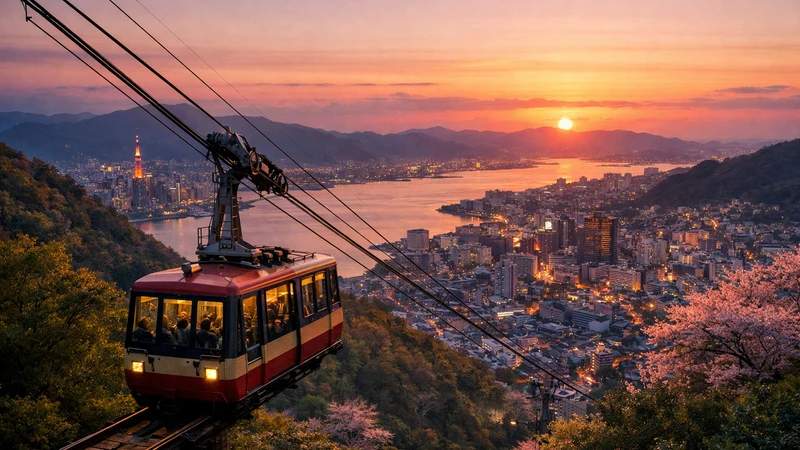
Southern Gateway
Laid-back, famous for ramen and beaches. Fukuoka offers a much lower cost of living and is ranked as Japan’s most livable city.

Central Hub
The industrial powerhouse. Nagoya is a central base for exploring the whole country via the Shinkansen line.
How to get a job in Japan
The Japanese visa process (CoE) is technical and takes 2-3 months. Because of this, almost all hiring is done well in advance from your home country.
The Independent Route
Earn your 120-hour myTEFL certificate and apply directly to the JET Programme or private Eikaiwa giants like AEON or ECC.
- Full Control: Source your own perfect city and niche.
- Recognition: myTEFL is accepted by Japanese Immigration.
- Logistics: You handle the direct outreach and interview cycles.
myTEFL Job Placement
Exclusive for our grads. We use our vetted network to match you with reputable schools that provide full visa support and housing assistance.
- Vetted Employers: No "black schools" or unpaid overtime.
- CoE Assistance: Expert help with the visa paperwork.
- Arrival Support: Guidance on bank accounts and residence cards.
Frequently Asked Questions
Crucial data for the 2026 Japanese teaching landscape.