
Teach English in Italy
The Ultimate 2026 Guide to La Dolce Vita, Student Visas, and the Freelance Hustle.
Italy is the dream destination for millions. Who wouldn't want to teach conjugation surrounded by Roman ruins, Renaissance art, and the world's best food? In 2026, the demand for English remains high, particularly for Business English in the industrial north and private tutoring for children nationwide.
For EU citizens, Italy is an accessible paradise. For Non-EU citizens (Americans, Canadians, etc.), the reality is bureaucratic and challenging. Standard work visas are incredibly rare. Most non-EU teachers enter on a Student Visa (enrolling in Italian classes) to work part-time, or navigate the complex Lavoro Autonomo (Freelance) visa.
Because the market is saturated with expats, schools can be picky. A myTEFL 120-hour certificate is the industry standard. It helps you stand out to private academies in Milan and Rome, and is essential for building a private client base that pays a living wage.
Quick Facts
What’s in this guide?
Your roadmap to the Bel Paese. Learn how to navigate the notorious bureaucracy, find summer camp work, and decide between Milan's hustle and Florence's art.
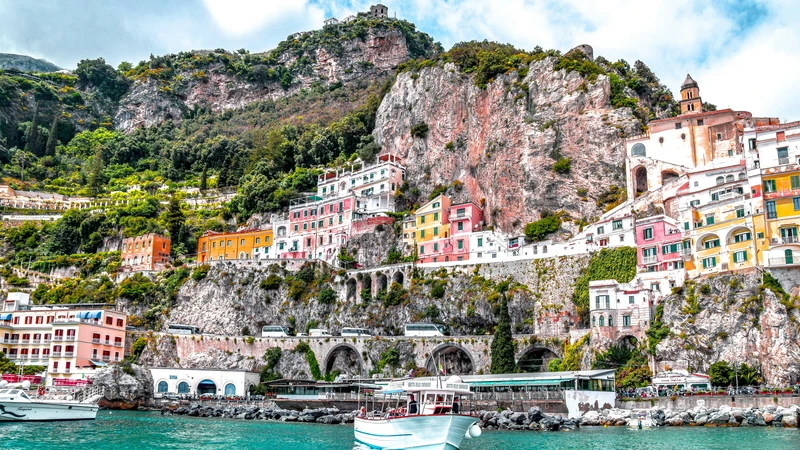
The TEFL jobs market in Italy
The Italian TEFL market is vast but fragmented. It is dominated by hundreds of private language schools (schools like Wall Street English, British Institutes, and Shenker) catering to all ages. However, finding a stable, full-time contract can be difficult. Most teachers piece together a living wage by working part-time at a school and supplementing it with private tutoring.
For Non-EU citizens, the market is tough. Italian law requires employers to prove that no EU citizen could fill a vacancy before hiring a non-EU national (the "Decreto Flussi"). Because there are thousands of qualified British and Irish teachers already in the EU, schools rarely sponsor visas for Americans or Canadians.
This means many non-EU teachers arrive on a Student Visa (by enrolling in an Italian language course), which legally allows them to work part-time (20 hours/week), or they work informally as private tutors while navigating the long path to residency.
- Population: 59 million
- Language(s): Italian
- Currency: Euro (€)
- Capital city: Rome
- Estimated salary: €1,200 - €1,500
- Public Holidays: 12 days
- Climate: Mediterranean
- Main Transport: Trains (Frecciarossa)
- Internet: Good (Variable in rural areas)
Types of English teaching jobs in Italy
From corporate boardrooms in Milan to sunny summer camps in Tuscany.
Private Language Schools
The most common employer. Chains like British School or local "Scuole di Lingue" hire year-round. Expect split shifts (mornings/evenings) and hourly pay.
Business English
Huge demand in the industrial north (Milan, Turin, Bologna). You travel to company offices to teach staff. Requires professional attire and business knowledge.
Summer Camps
A fantastic entry point for non-EU teachers. Camps run June-August across Italy. They provide room, board, and a small stipend. High energy fun.
International Schools
Elite private schools in Rome and Milan. They pay Western salaries and sponsor visas, but strictly require a state teaching license and years of experience.
TEFL teacher salary in Italy
Italy is famous for "La Dolce Vita," not high salaries. Wages in Italy have stagnated for years while the cost of living in major cities has risen. A typical TEFL teacher earns between €1,000 and €1,500 (Net) per month.
In the south (Naples, Sicily), salaries are lower (€800-€1,100), but rent is significantly cheaper. In the north (Milan), you might earn €1,600, but rent will consume half of it.
To live comfortably, almost all teachers engage in private tutoring. Charging €20-€30 cash per hour for private lessons is common and necessary to fund travel and savings.
Monthly Salary Range (€ Euro)
| Language School (Net) | €1,000 - €1,400 |
| Business English (Hourly) | €20 - €30 / hr |
| Private Tutoring (Cash) | €15 - €30 / hr |
| Studio Rent (Milan/Rome) | €800 - €1,200 |
| Studio Rent (South) | €400 - €600 |
The Student Visa Workaround
EU Citizens: You have the right to live and work freely. You just need to register your residency at the local Anagrafe (town hall).
Non-EU Citizens: Getting a work visa sponsored by a school is nearly impossible due to quotas. The most common legal workaround is the Student Visa.
How the Student Visa Works
You enroll in an approved Italian language course (minimum 20 hours/week) for a year. This visa legally allows you to work part-time (up to 20 hours per week). Many teachers use this to work legally at a school part-time while picking up private students on the side.
Another option is the Lavoro Autonomo (Freelance) Visa, but this is famously difficult to obtain, requiring proof of income, housing, and patience with Italian bureaucracy.
Requirements to teach English in Italy

Competition for jobs in Italy is high. To get hired by a reputable school, you need to look professional on paper.
- Bachelor’s Degree Required. Almost all reputable schools require a degree (in any subject). It is also necessary for visa applications.
- 120-Hour TEFL Certificate Essential. With so many native speakers in Italy, a TEFL certificate is the basic requirement to even get an interview.
- EU Citizenship Highly Preferred. Schools prioritize EU passport holders to avoid the visa hassle. Non-EU citizens usually need a Student Visa or existing residency to be considered.
- Italian Proficiency Not required for teaching (immersion method), but vital for life. Navigating landlords, bills, and immigration offices is very difficult without basic Italian.
School Terms & August Shutdown
Hiring Season: The main hiring period is September/October. A secondary hiring window opens in January.
Ferragosto (August)
Italy essentially shuts down in August. Schools close, students go on holiday, and you will likely not be paid for this month if you are on an hourly contract. You must budget for this unpaid downtime or find summer camp work.
Working Hours: Expect to work when your students are free. This means evenings (5 PM - 9 PM) for adults and afternoons for children. Split shifts are the norm.
Cost of living & Savings in Italy
The north/south divide in Italy is massive.
Milan & Rome: These cities are expensive. Rent for a small studio can easily top €1,000. Most teachers here share apartments (spend approx. €500-€700 for a room) to make ends meet.
The South: In Naples, Palermo, or Puglia, the cost of living plummets. You can rent an entire apartment for €500. However, salaries are also lower, and work is harder to find.
Food: This is the highlight. Groceries are high quality and affordable. You can get a world-class pizza for €8-€10 and an espresso for €1.20.
Monthly Budget (Single Teacher)
| Rent (Room in City) | €500 - €750 |
| Utilities & Internet | €100 - €150 |
| Groceries & Coffee | €250 - €350 |
| Transport | €35 - €50 |
| Leisure/Aperitivo | €150 - €250 |
Where to teach English in Italy?
Italy offers vastly different lifestyles. Choose between the fashion-forward north, the historic center, or the chaotic, beautiful south.

Rome (Roma)
The Eternal City. History around every corner. A massive market for TEFL, but traffic is chaotic and bureaucracy is slow. Ideal for those who want the classic Italian experience.
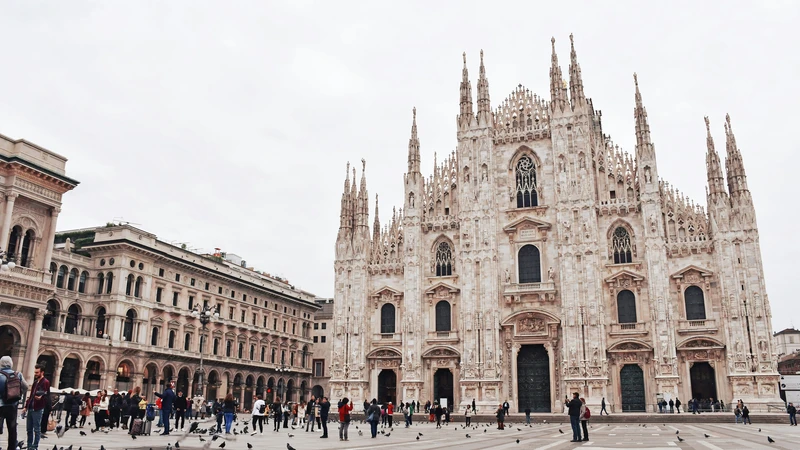
Milan (Milano)
The economic capital. Fast-paced, fashion-forward, and efficient. The highest salaries and most business English jobs are here, but rent is the most expensive in the country.
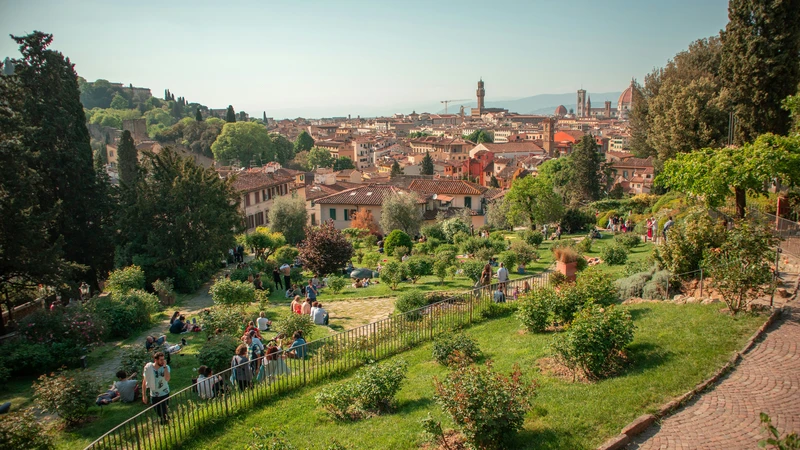
Florence (Firenze)
The birthplace of the Renaissance. Smaller, walkable, and incredibly beautiful. Overrun with tourists in summer, but a dream for art lovers. Strong market for teaching university students.
Naples (Napoli)
The soul of the south. Chaotic, loud, and passionate. The birthplace of pizza. Cost of living is very low, but finding formal contracted work can be harder than in the north.
How to get a job in Italy
Italy is a "boots on the ground" market. You often need to be in the country to interview. A professional TEFL certificate is your best tool to prove you are a serious candidate worth hiring.
Get Your 120-Hour Certificate
Italian schools receive hundreds of CVs. A 120-hour myTEFL certificate sets you apart, qualifies you for higher-paying business English contracts, and is essential for student visa applications.
- Business Ready: Essential for corporate teaching.
- Visa Support: Strengthens student visa applications.
- Accredited: Recognized by Italian academies.
- Lifetime Access: Keep your lesson plans forever.
Frequently Asked Questions
Crucial info for the 2026 Italian teaching landscape.