

Teach English in Indonesia
The Ultimate 2026 Guide to Island Life, KITAS Visas, and the Vibrant Archipelago.
Teaching English in Indonesia offers an unparalleled lifestyle-to-career balance. Spread across 17,000 islands, this market provides a blend of professional growth in bustling Jakarta and the legendary "digital nomad" allure of Bali.
In 2026, the Indonesian Ministry of Education has prioritized English literacy, opening doors for qualified foreigners. To secure a legal position, your credentials must be verified. Thousands of teachers choose myTEFL because our 120-hour certifications meet the strict requirements for the Indonesian KITAS work permit.
This guide breaks down the technicalities of the Indonesian market. We detail the KITAS visa process, the salary structures in different provinces, and how our placement network helps myTEFL grads find reputable schools that handle all the red tape.
Quick Facts
What’s in this guide?
Navigate your Indonesian journey. This comprehensive guide covers everything from the Java job market to the specific requirements for 2026.

The TEFL jobs market in Indonesia
Indonesia is home to the world's fourth-largest population, and the hunger for English proficiency has never been higher. In 2026, the market is driven by Private Language Centers (LIA, EF), National Plus Schools, and emerging Tech Hubs in West Java.
Unlike some neighboring countries, Indonesia maintains strict age and nationality guidelines for TEFL. You generally must be between 25 and 60 years old and hold a passport from a recognized English-speaking nation. Schools value cultural adaptability and enthusiasm above all else, as the Indonesian classroom is famously social and warm.
The Indonesian government requires all foreign teachers to be legalized under a KITAS (Work Permit). To qualify, your TEFL must come from a globally accredited provider like myTEFL. Our graduates are highly sought after by top Indonesian chains because our curriculum aligns with the communicative teaching methods preferred in the region.
- Population: 280 million
- Language(s): Bahasa Indonesia
- Currency: Indonesian Rupiah (IDR)
- Capital city: Jakarta
- Estimated salary: 15m - 30m+ IDR
- Public Holidays: ~16 days (incl. Lebaran)
- Climate: Tropical (Wet & Dry seasons)
- Main Transport: Grab, Gojek & Kereta Api
- Internet: Expanding 5G (Fiber in cities)
Types of English teaching jobs in Indonesia
From the high-rises of Jakarta to the creative hubs of Yogyakarta, discover the right environment for your teaching style.
Language Centers
The most common entry point. Chains like EF Indonesia and LIA offer structured curricula and strong visa support for first-time teachers.
National Plus Schools
High-end local private schools. These require a Bachelor's degree and a TEFL, offering a standard Monday-Friday school schedule.
International Schools
Elite schools (IB/Cambridge). These roles are highly competitive and almost exclusively hire licensed teachers with home-country experience.
Business English/ESP
Working with corporate clients in Jakarta or Surabaya. Focuses on specialized vocabulary, presentation skills, and professional writing.
TEFL teacher salary in Indonesia
In 2026, salaries for TEFL teachers in Indonesia have seen a steady rise to match the growing cost of living in major cities. A starting teacher can expect between 15,000,000 and 20,000,000 IDR ($1,000 - $1,350 USD). While this seems lower than China, the local purchasing power is immense.
A major perk in Indonesia is the housing benefit. Many schools provide a "mess" (shared house with other teachers) or a generous monthly allowance (around 3m - 5m IDR). In cities like Bandung or Yogyakarta, this allowance can rent a beautiful multi-bedroom villa.
Most teachers find they can live a very comfortable lifestyle—eating out daily, traveling between islands on weekends—and still save roughly 30-40% of their salary. For those at International Schools, savings can easily exceed $1,000 USD per month.
Monthly Salary Range (IDR)
| Entry Level Center | 15,000,000 - 18,000,000 |
| National Plus / Private | 20,000,000 - 30,000,000 |
| International School | 35,000,000 - 55,000,000 |
| Monthly Housing Allow. | 3,000,000 - 7,000,000 |
| End of Contract Bonus | 1 Month Salary |
The KITAS Visa & Regulations
Legal work in Indonesia requires a KITAS (Work Permit). To obtain this, you must have a sponsoring employer. Working on a VOA (Visa on Arrival) or a B211 Social Visa is strictly prohibited and can result in heavy fines or deportation.
The 2026 process involves a background check, degree verification, and health insurance. Most importantly, the Ministry of Manpower requires proof of your English teaching expertise. A myTEFL 120-hour certificate is a recognized credential that streamlines this approval process, as it provides the accredited hours necessary for a successful application.
Essential: The KITAS Process
1. School applies for your RPTKA (Expat Placement Plan). 2. You apply for an E-Visa. 3. Travel to Indonesia. 4. Visit local immigration for biometrics to finalize your limited stay permit (KITAS).
Once your KITAS is processed, you will also receive an IMTA (Work Authorization) and an NPWP (Tax ID). Your school should guide you through every step; if a school asks you to pay for your own visa upfront, consider it a red flag.
Requirements to teach English in Indonesia

Indonesia has specific regulatory hurdles that must be met for the 2026 hiring season. Ensure you check every box before applying.
- Bachelor’s Degree (Any Subject) A non-negotiable requirement for the KITAS. Degrees in English or Education are preferred but not mandatory.
- 120-Hour TEFL Certification You need a nationally/internationally accredited TEFL. myTEFL certifications are widely recognized by the Indonesian Ministry of Manpower.
- Passport Nationality You must be a citizen of the US, UK, Canada, Australia, New Zealand, Ireland, or South Africa to teach English legally.
- Age Requirement Applicants must typically be between 25 and 60 years old to qualify for a foreign teaching work permit.
Term times and working hours in Indonesia
The Indonesian school year generally begins in July and ends in June. There is a second intake in January. However, language centers (EF, LIA) recruit year-round due to the continuous nature of their student enrollment.
Lebaran (Eid al-Fitr)
The most significant holiday in Indonesia. Almost everything shuts down for 1-2 weeks as people return to their hometowns. It’s a spectacular time for travel if you book in advance!
Work hours vary by job type. In a school, you'll work 7:30 AM – 3:30 PM. In a language center, your day often starts at 1:00 PM and ends at 9:00 PM, allowing you to enjoy the mornings at the beach or the gym. You will typically teach between 20 and 25 hours per week, with the remainder of your 40-hour week dedicated to lesson planning and admin.
Cost of living & Savings in Indonesia
Indonesia remains one of the most affordable TEFL destinations in Asia. If you embrace the local "Warung" culture, a delicious meal of Nasi Campur will cost you less than $2 USD. Even high-end "Western" cafes are significantly cheaper than in the West.
Your biggest expense will be electricity (AC is essential) and weekend travel. Because of the GoJek and Grab apps, transport is incredibly cheap—you can get a bike taxi across town for cents.
In 2026, most expats manage their finances through local banks like BCA or Mandiri. Having a local account is essential for using QRIS, the universal QR payment system that is accepted everywhere from modern malls to tiny street carts.
Monthly Budget (Single Teacher)
| Rent (Studio/Villa) | $300 - $500 |
| Utilities & Internet | $70 - $110 |
| Groceries & Dining | $250 - $400 |
| Grab/Bike Rental | $30 - $60 |
| Leisure/Massage | $100 - $200 |
Where to teach English in Indonesia?
With thousands of islands, your experience can range from the high-paced energy of Southeast Asia’s largest city to quiet volcanic highlands.
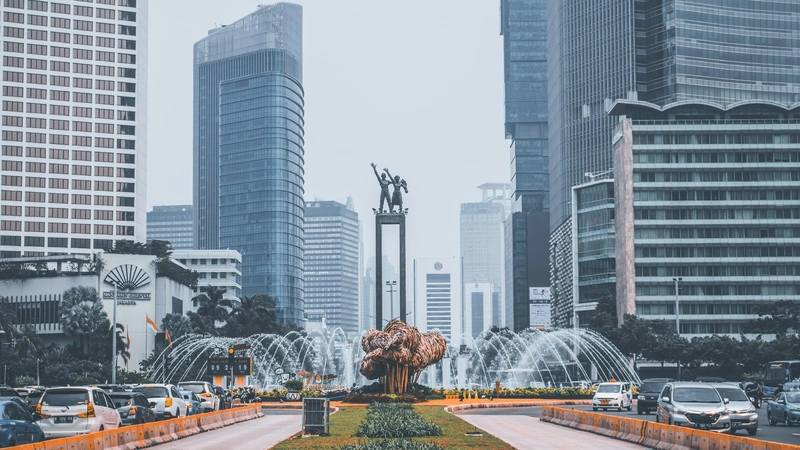
The Big Durian
Jakarta is the economic engine. Massive malls, incredible food, and the highest concentration of high-paying TEFL jobs.

Island Living
Bali is the dream for many. While jobs are fewer and more competitive, the lifestyle—surf, yoga, and cafes—is world-class.
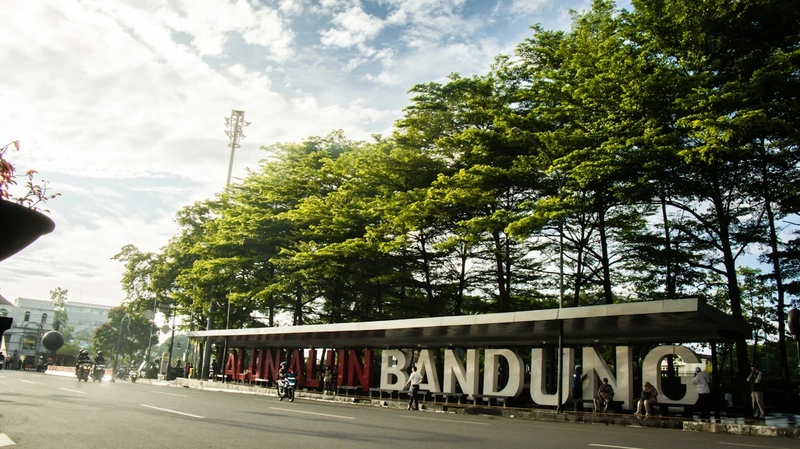
Cultural Heart
Experience the "real" Indonesia. Lower cost of living, friendly locals, and home to the country's best universities.

Emerging Hubs
Perfect for adventurers. Medan and Surabaya offer a raw, authentic Indonesian experience with very few expats.
How to get a job in Indonesia
The visa process in Indonesia is lengthy (6-10 weeks). For this reason, most schools hire from abroad before you arrive. Start your journey with myTEFL today:
The Independent Route
Get certified and browse the Indonesian market. Once you have your myTEFL 120-hour certificate, you can apply directly to the major chains.
- Independence: Choose your own island and school.
- Credibility: myTEFL is verified for Indonesian KITAS.
- Support: You manage the direct school outreach.
myTEFL Job Placement
Skip the stress. We partner with the most reputable school chains in Indonesia to ensure your visa is legal and your salary is paid on time.
- Safe Sponsoring: Verified KITAS-providing schools.
- Arrival Support: Assistance with local logistics.
- Vetted Roles: No hidden costs or illegal visa tricks.
Frequently Asked Questions
Crucial info for the 2026 Indonesia teaching landscape.