

Teach English in Chile
The Ultimate 2026 Guide to Work Visas, English Opens Doors, and Life in the Andes.
Chile is often called the "Switzerland of South America" due to its economic stability, stunning mountain landscapes, and efficiency. In 2026, it remains the most professionalized TEFL market on the continent. Unlike its neighbors where informal cash jobs are the norm, Chile offers legal contracts, work visas, and a structured business environment.
For North Americans and Europeans, the most common entry point is the government-run English Opens Doors Program (EODP), which provides a fee-free volunteer placement with housing. For experienced teachers, the lucrative Business English market in Santiago attracts professionals willing to navigate the city's "Sanhattan" financial district.
While it is possible to find work on a tourist visa, reputable employers will sponsor a "Subject to Contract" Work Visa. A myTEFL 120-hour certificate is the industry standard here, essential for securing these legal contracts and commanding a salary that covers the relatively high cost of living in Santiago.
Quick Facts
What’s in this guide?
Your roadmap to the Southern Cone. Learn how to apply for the "Subject to Contract" visa, budget in Pesos, and decide between the bustle of Santiago and the bohemian hills of Valparaíso.
- The TEFL jobs market in Chile
- English Opens Doors vs. Institutes
- Teacher Salary in Chilean Pesos (CLP)
- The "Subject to Contract" Visa
- Requirements for 2026
- Split Shifts & Commuting
- Cost of living: Santiago vs. Regions
- Where to teach: Santiago, Valparaíso, Concepción
- Getting hired: The Independent Route
- Chile TEFL FAQs

The TEFL jobs market in Chile
Chile is unique in Latin America because it prioritizes Business English over children's education in the private sector. As a global leader in mining and exports, Chilean professionals are under immense pressure to speak English. This creates a massive market for adult education in Santiago.
For new teachers, the English Opens Doors Program (EODP) is the best entry point. It is a UN-sponsored initiative that places volunteers in public schools across the country. Unlike many "pay-to-volunteer" schemes, EODP is fee-free and provides housing and a stipend.
For experienced teachers, Language Institutes (like Bridge or Tronwell) offer paid contracts. However, the market is competitive. To secure a legal work visa, you need to prove your qualifications (Degree + TEFL) and commit to a 6-12 month contract.
- Population: 19 million
- Language(s): Spanish
- Currency: Chilean Peso (CLP)
- Capital city: Santiago
- Estimated salary: 800k - 1.2M CLP
- Public Holidays: 16 days
- Climate: Mediterranean / Alpine
- Main Transport: Metro & Micros (Buses)
- Internet: Excellent (Fastest in LatAm)
Types of English teaching jobs in Chile
From government volunteer placements to high-end corporate training.
English Opens Doors (Volunteer)
The fee-free government program. You work in public schools (often in rural areas). Includes housing with a host family and a small stipend. Best for culture lovers.
Business English Institutes
The standard paid job in Santiago. You travel to offices to teach executives. Pays hourly. Requires professional attire and commuting.
Universities
Prestigious positions in Santiago, Valparaíso, or Concepción. Stable hours and better pay, but usually require a Master's degree or significant experience.
International Schools
Elite private schools (e.g., Nido de Aguilas). These pay Western salaries ($3k+ USD) but strictly require a state teaching license from your home country.
TEFL teacher salary in Chile
Chile has the highest cost of living in South America, but salaries generally reflect this. A typical full-time teacher at a language institute in Santiago earns between 800,000 and 1,200,000 CLP ($850 - $1,300 USD) per month.
This is a "break-even" salary. It allows you to live in a shared apartment, eat out occasionally, and travel locally, but you will not save significantly. Rent in Santiago is comparable to some Southern European cities.
Teachers in the English Opens Doors Program receive a much smaller stipend (around 100,000 CLP), but because they have zero expenses (free housing and meals provided by a host family), they often end up with more disposable cash than city teachers paying rent.
Monthly Salary Range (CLP)
| Institute Teacher (Net) | 800,000 - 1,200,000 |
| EODP Volunteer (Stipend) | ~100,000 (Free Housing) |
| Private Tutoring (Hourly) | 15,000 - 25,000 / hr |
| Rent (Room in Santiago) | 300,000 - 450,000 |
| Rent (Studio in Santiago) | 450,000 - 650,000 |
The "Subject to Contract" Visa
Tourist Visa: Most teachers enter on a 90-day tourist visa. While it is technically possible to look for work during this time, you cannot legally work until you have a visa in process.
Visa Sujeta a Contrato: This is the standard work visa. Once a school hires you, they provide a contract. You take this contract to the immigration office (or apply online via Extranjería) to change your status.
The "Employer Tie"
The "Subject to Contract" visa is tied to your specific employer. If you quit or get fired, you have 30 days to find a new job or leave the country. This makes choosing a reliable employer critical.
Professional Visa: If you have a university degree, you may qualify for a "Visa Temporaria por Motivos Laborales," which is not tied to a single employer, offering more freedom.
Requirements to teach English in Chile
Chilean employers are professional and bureaucratic. To secure a legal contract, you need to prove your qualifications.
- Bachelor’s Degree Mandatory for Visas. The government requires a legalized (apostilled) university degree to process almost any work visa application.
- 120-Hour TEFL Certificate Essential. The market in Santiago is competitive. A TEFL certificate is the standard requirement for getting hired by a reputable institute.
- Native English Speaker Preferred. Schools heavily favor native speakers from the US, UK, Canada, etc. Non-natives with C2 proficiency can find work but may face more hurdles.
- Professional Attire In Santiago's business culture, teachers are expected to dress formally (business casual to formal) for corporate classes.
Split Shifts & Commuting
Hiring Season: The main hiring frenzy is February/March (before the school year starts). A secondary hiring period occurs in July/August. January is summer vacation and the market is dead.
The Split Shift
Teaching in Santiago often means "split shifts." You teach executives from 8:00 AM - 10:00 AM, have a long break, and teach again from 6:00 PM - 9:00 PM. Managing your energy (and navigating the Metro at rush hour) is key.
Contracts: Most contracts are hourly. You only get paid for contact hours. Ensure your contract clarifies if travel time between corporate offices is reimbursed (it usually isn't).
Cost of living & Savings in Chile
Chile is the most expensive country in South America. Electronics, clothes, and rent in Santiago can be pricey. However, local food and transport remain affordable.
Housing: In Santiago's safe, expat-friendly neighborhoods (Providencia, Las Condes), a private studio costs 450,000 - 650,000 CLP. Most teachers share apartments in "Santiago Centro" or "Ñuñoa" to save money.
Food: Supermarkets (Lider, Jumbo) are well-stocked. A "Menu del Dia" lunch is 5,000 - 8,000 CLP. Avocados ("Paltas") are a national obsession and are cheap and delicious.
Monthly Budget (Single Teacher)
| Rent (Room in Santiago) | 300,000 - 450,000 CLP |
| Utilities & Internet | 60,000 - 90,000 CLP |
| Groceries | 200,000 - 300,000 CLP |
| Transport (Bip! Card) | 40,000 CLP |
| Leisure/Social | 150,000 - 250,000 CLP |
Where to teach English in Chile?
Santiago is the economic engine, but the coast and the south offer incredible quality of life.
Santiago
The modern metropolis. Home to 6 million people and 90% of the paid TEFL jobs. Fast-paced, efficient metro, and surrounded by the Andes. Best for career teachers.

Valparaíso
The bohemian port. Famous for its colorful hillside houses, street art, and university vibe. Grittier and more relaxed than Santiago. A hub for artists and students.
Viña del Mar
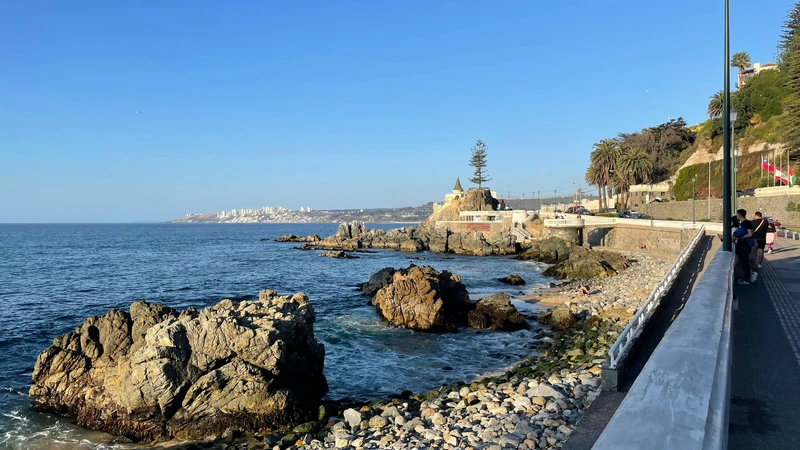
The "Garden City." Located right next to Valparaíso but completely different: modern, clean, and beach-focused. Popular with wealthier Chileans and expats.
Concepción
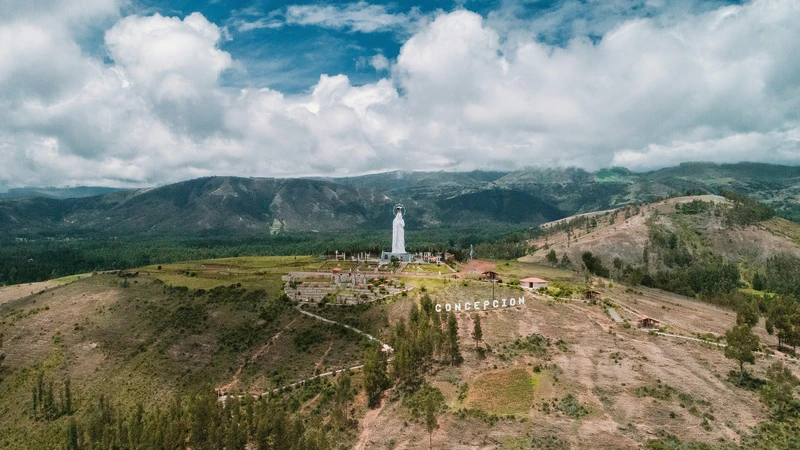
A major university city in the south. Known for its music scene and rainy weather. Lower cost of living than Santiago and a very authentic Chilean experience.
How to get a job in Chile
Whether you apply for the English Opens Doors government program or a private institute in Santiago, your qualifications are your ticket to a visa.
Get Your 120-Hour Certificate
Chilean institutes are flooded with applicants. A 120-hour myTEFL certificate proves you are serious, qualifies you for higher-paying corporate contracts, and strengthens your "English Opens Doors" application.
- EODP Preferred: Boosts your volunteer application.
- Corporate Ready: Essential for business clients.
- Accredited: Recognized by Chilean employers.
- Lifetime Access: Keep your lesson plans forever.
Frequently Asked Questions
Essential insights for the 2026 Chilean teaching landscape.