
Teach English in Austria
The Ultimate 2026 Guide to USTA, Private Academies, and Life in the Alps.
Austria is the jewel of Central Europe. Offering a blend of imperial history, alpine landscapes, and one of the highest standards of living in the world, it is a dream destination for many educators. However, the teaching market here is highly competitive and regulated.
For EU citizens, the door is wide open. You can move freely and apply to private language academies immediately. For Non-EU citizens (Americans, Canadians, etc.), the path is narrower. The primary route is the prestigious government-backed USTA (US Teaching Assistantship) program, or securing a rare sponsorship from an International School.
Regardless of your passport, a myTEFL 120-hour certificate is often the deciding factor in hiring decisions. Whether you are applying for a competitive USTA slot or freelancing in Vienna, this credential proves you have the pedagogical skills to teach specialized business English or young learners effectively.
Quick Facts
What’s in this guide?
Your roadmap to the heart of Europe. From navigating the complex Red-White-Red card to finding freelance work in Vienna.
- The TEFL jobs market in Austria
- USTA, Academies & Freelancing
- Teacher Salary in Euros (€)
- EU Citizenship vs. Work Permits
- Requirements for 2026
- School Terms & 14 Salaries
- Cost of living: Vienna vs. Graz
- Where to teach: Vienna, Salzburg, Innsbruck
- Getting hired: The Independent Route
- Austria TEFL FAQs

The TEFL jobs market in Austria
The Austrian market is defined by its preference for EU citizens due to labor laws. If you hold an EU passport, you can easily find work in private language schools (like Berlitz or Inlingua) or as a freelance business English tutor.
For Americans, the golden ticket is the USTA (United States Teaching Assistantship) program administered by Fulbright Austria. This program places over 140 Americans in secondary schools across Austria every year. It is one of the few legal ways for non-EU citizens to teach without a highly specialized work visa.
In 2026, there is a growing demand for Business English. Austria is an export-heavy economy, and corporate professionals in Vienna and Linz need advanced English skills. Teachers with a TEFL certificate and a background in business or a degree in a related field are highly sought after for these lucrative freelance contracts.
- Population: 9 million
- Language(s): German
- Currency: Euro (€)
- Capital city: Vienna
- Estimated salary: €1,600 - €2,600 (Gross)
- Public Holidays: ~13 days
- Climate: Alpine (Cold Winters)
- Main Transport: ÖBB Trains & Trams
- Internet: Excellent
Types of English teaching jobs in Austria
From government-backed school placements to freelance corporate training in the city.
USTA Program (Fulbright)
Exclusively for US citizens. You work as an assistant in public secondary schools (Oct-May). Highly competitive and requires an application almost a year in advance.
Private Language Schools
Academies like Berlitz or local schools. They hire EU citizens or those with valid residency. Classes are often in the evenings for adults or after-school for kids.
International Schools
Elite private schools (e.g., Vienna International School). These are the only employers who regularly sponsor full work visas for non-EU teachers.
Freelance / Corporate
Many teachers in Vienna operate as "Freie Dienstnehmer" (Freelancers), contracting with multiple companies to teach Business English to staff.
TEFL teacher salary in Austria
Salaries in Austria provide a comfortable, middle-class existence. A typical full-time teacher earns between €1,600 and €2,400 (Net) per month. While this is lower than Switzerland, the cost of living is significantly more manageable.
A unique benefit in Austria is the 13th and 14th Salary. Full-time employees (including USTA participants) receive a double paycheck in summer (Urlaubsgeld) and winter (Weihnachtsgeld). This effectively boosts your annual income by nearly 17%.
Freelancers (Freie Dienstnehmer) generally charge between €25 and €40 per hour. However, freelancers must handle their own social security (SVS) contributions, which can be around 25-30% of income, so careful budgeting is required.
Monthly Salary Range (€ Euro)
| USTA Program (Net) | €1,600 - €1,800 |
| Language School (Freelance) | €1,200 - €2,000 |
| International School (Gross) | €3,200 - €4,800 |
| Studio Rent (Vienna) | €600 - €900 |
| Health Insurance | Deducted / ~€450 (Freelance) |
EU Citizenship vs. Work Permits
Your nationality determines your path in Austria.
EU/EEA Citizens: You have the right to live and work freely. You simply need to register your address (Meldezettel) within 3 days of arrival and obtain a confirmation of registration (Anmeldebescheinigung) within 4 months.
Non-EU Citizens: Obtaining a standard work visa is difficult. The Red-White-Red Card (RWR) is the main work permit, but it requires a job offer that pays a minimum threshold or falls under "shortage occupations" (which English teaching usually does not).
The USTA Exception
For US citizens, the USTA Program is the best route. It provides a specific residency permit (Aufenthaltsbewilligung – Sonderfälle unselbständiger Erwerbstätigkeit) that bypasses the strict RWR requirements for one or two years.
Requirements to teach English in Austria
Austria values formal education. "Backpacker" teachers are virtually non-existent here. Employers look for serious, qualified educators.
- Bachelor’s Degree Mandatory. You need a completed Bachelor's degree (BA/BS). For the USTA program, you must have graduated before the start date (Oct 1).
- 120-Hour TEFL Certificate Highly recommended. While not a strict legal requirement for all visas, it is expected by private language schools. For USTA applicants, a TEFL makes your application competitive.
- German Proficiency Often Required. The USTA program requires intermediate German (B1 level). Private schools may not require it for teaching, but life in Austria is difficult without basic German skills.
- Citizenship EU citizenship is the golden ticket. Non-EU citizens generally need to go through specific government programs (like USTA) or hold a spousal visa.
School Terms & 14 Salaries
Academic Year: Runs from September/October to June. The USTA program specifically runs from October 1st to May 31st.
14 Salaries
If you are an employee (not a freelancer), you are legally entitled to 14 salary payments per year. One extra month is paid in June (Holiday pay) and one in November (Christmas bonus).
Working Hours: USTA assistants work approx. 13 hours in the classroom per week (plus prep time). Freelancers in private academies often work "split shifts"—early mornings and evenings—to accommodate working professionals.
Cost of living & Savings in Austria
Vienna is often voted the "Most Livable City in the World." It offers high-quality infrastructure, green spaces, and safety at a price that is lower than Paris, London, or Munich.
Housing: A shared apartment (WG - Wohngemeinschaft) room costs €400-€600. A private studio ranges from €600 to €900 depending on the district (Bezirk).
Food & Transport: Groceries are affordable (Hofer/Lidl). The "Klimaticket" allows virtually unlimited public transport across the entire country for a reasonable annual fee. Eating out can be pricey (€15-€25 for dinner), but student cafeterias (Mensa) are cheap.
Monthly Budget (Single Teacher)
| Rent (WG Room / Studio) | €500 - €850 |
| Groceries | €250 - €350 |
| Transport (Vienna Pass) | €33 (Annual/12) |
| Utilities/Internet | €100 - €150 |
| Leisure/Social | €200 - €300 |
Where to teach English in Austria?
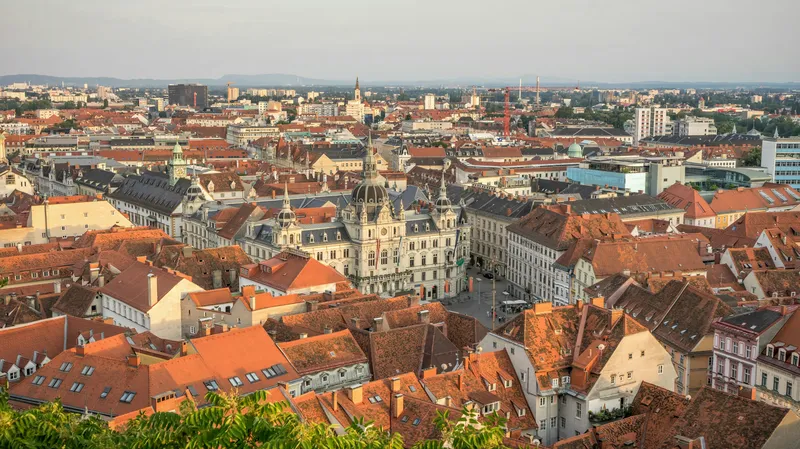
While Vienna is the hub, Austria's smaller cities offer incredible charm and proximity to the Alps.

Vienna (Wien)
The imperial capital. Home to 1/4 of the population and the vast majority of jobs. Incredible culture, coffee houses, and music. Competitive but rewarding.
Salzburg
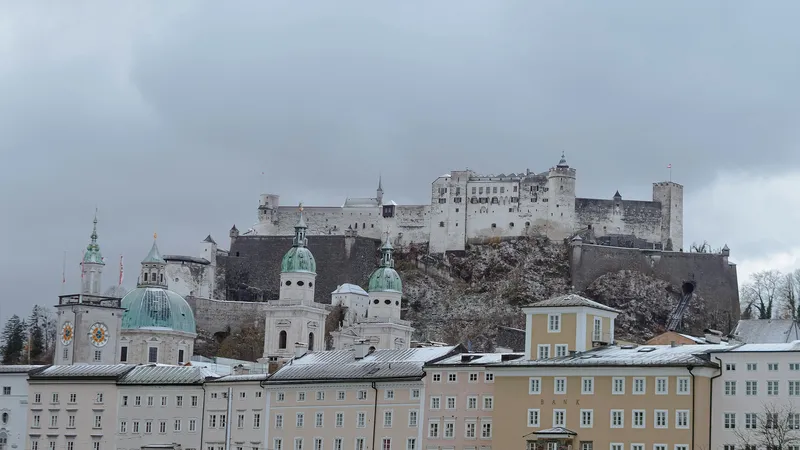
Mozart's birthplace. A stunning baroque city on the border with Germany. Tourism drives the economy, so there is demand for English in hospitality.
Graz
Austria's second city. A massive university town with a youthful vibe and Mediterranean flair. Lower cost of living than Vienna and very bike-friendly.

Innsbruck
The capital of the Alps. If you love skiing and hiking, this is paradise. Jobs are scarcer and cost of living is high, but the lifestyle is unmatched.
How to get a job in Austria
Because of the strict visa rules for non-EU citizens, myTEFL does not offer a direct placement service for Austria. However, the USTA program and private language schools highly favor applicants with a 120-Hour TEFL.
Get Your 120-Hour Certificate
Competition for the USTA program and freelance contracts is fierce. A 120-hour myTEFL certificate proves you have the classroom management and lesson planning skills to succeed in the rigorous Austrian education system.
- USTA Booster: Strengthen your Fulbright application.
- Freelance Ready: Essential for private tutoring.
- Accredited: Recognized globally.
- Lifetime Access: Keep your resources forever.
Frequently Asked Questions
Crucial info for the 2026 Austrian teaching landscape.