

Teach English in Croatia
The Ultimate 2026 Guide to Language Schools, Digital Nomad Visas, and Life on the Adriatic Coast.
Croatia is one of the most stunning destinations in Europe, famous for its thousands of islands, historic walled cities, and Mediterranean lifestyle. While the TEFL market here is smaller than in Spain or Italy, it is highly sought after by teachers looking for a high quality of life.
For EU citizens, teaching in Croatia is incredibly straightforward with no visa restrictions. For Non-EU citizens (Americans, Canadians, etc.), securing a traditional work visa is notoriously difficult due to strict EU labor laws. However, Croatia offers one of the world's best Digital Nomad Visas, allowing non-EU teachers to live in the country for a year while teaching English online.
Whether you are aiming for a private language academy in Zagreb, a summer camp on the Dalmatian coast, or bringing your own online students, a myTEFL 120-hour certificate is essential. It is the industry standard required by Croatian employers and international online platforms alike.
Quick Facts
What’s in this guide?
Your roadmap to the Adriatic. From navigating the Digital Nomad Visa to deciding between the bustling capital and the sunny coast.
- The TEFL jobs market in Croatia
- Language Schools vs. Summer Camps
- Teacher Salary in Euros (€)
- EU Citizens vs. The Digital Nomad Visa
- TEFL Requirements for 2026
- School Terms & Summer Work
- Cost of living: Zagreb vs. Split
- Where to teach: Zagreb, Split, Dubrovnik
- Getting hired: The Independent Route
- Croatia TEFL FAQs
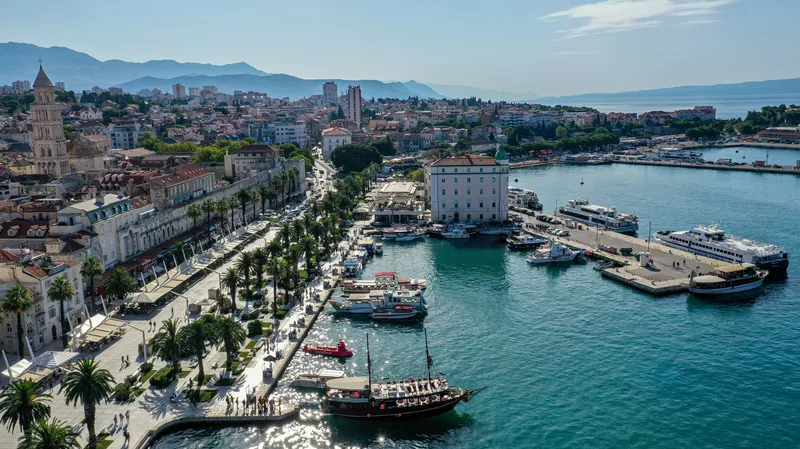
The TEFL jobs market in Croatia
Croatia officially joined the Eurozone and the Schengen Area in 2023, which has further streamlined life for EU citizens but maintained strict borders for non-EU job seekers. The local market is heavily centered around Private Language Schools. Because Croatia relies heavily on tourism, English proficiency is vital, driving consistent demand for after-school classes for children and business English for adults.
Public school jobs are incredibly difficult to secure as they require a Master's in Education and fluency in Croatian. Therefore, most foreign teachers work in the private sector.
The biggest trend in 2026 is the influx of Online TEFL Teachers. Croatia's Digital Nomad Visa allows non-EU citizens to live in the country legally for up to a year, completely tax-free, provided they earn their income from outside Croatia. This has turned coastal cities like Split into major hubs for remote educators.
- Population: 3.8 million
- Language(s): Croatian
- Currency: Euro (€)
- Capital city: Zagreb
- Estimated salary: €900 - €1,500
- Public Holidays: ~14 days
- Climate: Continental / Mediterranean
- Main Transport: Bus & Ferries
- Internet: Excellent (Nomad Friendly)
Types of English teaching jobs in Croatia
From stable academy work in the capital to teaching online from a café by the sea.
Private Language Schools
The most common local employer. You will teach small groups in the afternoons and evenings. They heavily favor EU citizens due to visa regulations.
Online / Digital Nomad
The best route for Non-EU citizens (Americans, etc.). You teach students globally online while living legally in Croatia on the Digital Nomad Visa.
Summer Language Camps
Short-term contracts (June-August). High energy, activity-based English teaching for kids from across Europe. Often includes free room and board.
International Schools
Elite schools (primarily in Zagreb) offering British or American curricula. Requires a full state teaching license and extensive experience.
TEFL teacher salary in Croatia
Since adopting the Euro in 2023, the cost of living in Croatia has risen, and salaries have adjusted accordingly. A typical TEFL teacher at a private academy earns between €900 and €1,500 per month.
While this is not a "get rich quick" destination, the salary is sufficient to live a comfortable, modest lifestyle, especially outside of the major tourist hotspots like Dubrovnik. Housing is rarely included in local contracts, so you will need to budget for rent.
Many teachers supplement their academy income by offering private tutoring (charging €15-€25 an hour), which is in high demand during the school year.
Monthly Salary Range (€ Euro)
| Language School (Net) | €900 - €1,400 |
| Summer Camp (Plus Board) | €600 - €1,000 |
| Private Tutoring (Hourly) | €15 - €25 /hr |
| 1-Bed Rent (Zagreb/Split) | €450 - €700 |
| 1-Bed Rent (Inland/Osijek) | €300 - €450 |
EU Citizens vs. The Digital Nomad Visa
EU Citizens: You have the right to live and work freely. You simply need to register your temporary residence at the local police station if you plan to stay longer than 90 days.
Non-EU Citizens (Local Work Permit): Getting hired by a local Croatian school is difficult. The school must prove they could not find a Croatian or EU citizen to fill the role. Because of this bureaucratic hurdle, most schools will only consider non-EU applicants if they are highly qualified or already married to a Croatian citizen.
The Golden Ticket: Digital Nomad Visa
Croatia offers a temporary residence permit for digital nomads. If you teach English online for a non-Croatian company (or freelance), you can apply. You must prove a stable monthly income (approx. €2,539/month), hold health insurance, and pass a background check. It is valid for up to 1 year and you pay zero local income tax.
Requirements to teach English in Croatia

Whether applying for a local academy or teaching online, you need the right credentials in 2026.
- Bachelor’s Degree Mandatory for Work Visas. To be considered for a local work permit, a degree is required. It is also required by many top-tier online teaching platforms.
- 120-Hour TEFL Certificate Essential. Croatian language schools expect high standards, and a globally recognized TEFL certificate is the baseline for securing an interview.
- Native English Speaker Preferred by local schools. However, non-native speakers with a high level of fluency and an EU passport can easily find work.
- Proof of Income (Nomads) If applying for the Digital Nomad visa, you must prove consistent remote income, making a TEFL certificate crucial to securing high-paying online students.
School Terms & Summer Work
Academic Year: The school year runs from September to June. The peak hiring times for private language schools are late August/September and January.
The Summer Boom
Croatia's population swells in the summer due to tourism. This creates a massive mini-industry for Summer Language Camps (June-August). This is an excellent way for new teachers (even without degrees) to gain short-term experience.
Working Hours: Private language schools typically operate in the late afternoon and evening (3 PM - 9 PM) to cater to students after regular school or work hours.
Cost of living & Savings in Croatia
Croatia is generally cheaper than Western Europe, but prices have risen since the adoption of the Euro and the boom in tourism.
Housing: Rent in the capital, Zagreb, or coastal hotspots like Split and Dubrovnik, is the biggest expense (€450-€700 for a 1-bedroom). If you move inland to cities like Osijek, rent drops dramatically.
Food & Travel: Groceries are very affordable if you shop at local markets and supermarkets (Lidl/Kaufland). Eating out at a standard restaurant costs €10-€15. Domestic travel via the extensive bus network is cheap and reliable, making weekend island-hopping very accessible.
Monthly Budget (Single Teacher)
| Rent (1-Bed City/Coast) | €450 - €700 |
| Utilities (Inc. Internet) | €100 - €150 |
| Groceries | €200 - €300 |
| Transport | €30 - €50 |
| Leisure/Dining | €150 - €250 |
Where to teach English in Croatia?
Choose between the year-round stability of the capital or the stunning, seasonal lifestyle of the Dalmatian Coast.

Zagreb
The capital and largest city. It offers the most year-round job opportunities, international schools, and a vibrant café culture. The best bet for serious, long-term teaching contracts.
Split
The gateway to the islands. A massive hub for digital nomads. While local teaching jobs exist, many foreigners here teach online while enjoying the beaches and Diocletian's Palace.
Dubrovnik
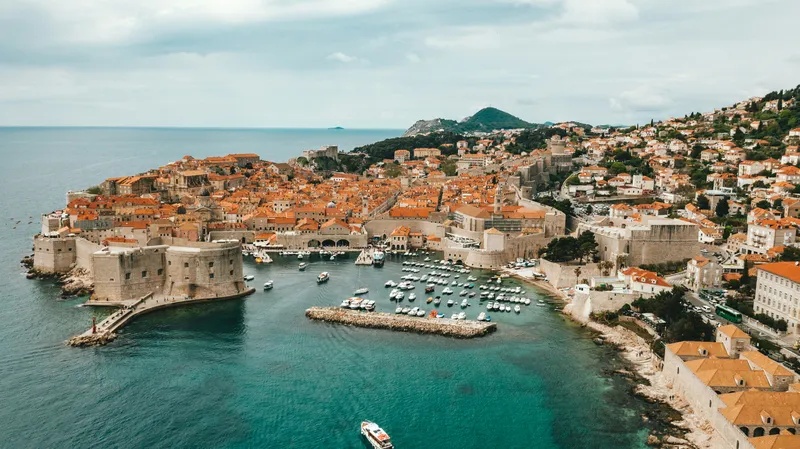
The "Pearl of the Adriatic." Stunningly beautiful but expensive and highly seasonal. Great for summer camp work or digital nomads, but tough for finding year-round local contracts.
Osijek & Inland
Located in the eastern Slavonia region. It lacks the beaches but offers an incredibly low cost of living, authentic culture, and less competition for local teaching jobs.
How to get a job in Croatia
Whether you are an EU citizen applying locally or a Digital Nomad teaching online, a professional TEFL credential is the key to unlocking the best opportunities.
Get Your 120-Hour Certificate
Croatian language schools expect high pedagogical standards. A 120-hour myTEFL certificate proves your capability and is crucial for securing high-paying online students if you are taking the Digital Nomad route.
- Nomad Ready: Required by major online platforms.
- Hireability: Essential for local academies.
- Accredited: Globally recognized standard.
- Lifetime Access: Keep your lesson plans forever.
Frequently Asked Questions
Crucial info for the 2026 Croatian teaching landscape.