

Teach English in the Philippines
The Ultimate 2026 Guide to Teaching in the Pearl of the Orient, SWP Visas, and Island Life.
The Philippines offers a unique TEFL landscape. Unlike its neighbors where English is foreign, here English is an official language. This creates a highly specific market: you aren't teaching basic "ABC's" to the general public. Instead, the demand is for specialized Business English, accent reduction, and IELTS prep for Koreans, Japanese, and Chinese students who flock here to study.
In 2026, the Philippines is the top destination for "Digital Nomad Teachers" and those seeking a relaxed tropical lifestyle over high savings. While salaries are lower than in East Asia, the cost of living is incredibly low. You can live a luxury lifestyle in Cebu or Baguio for a fraction of what it costs in Seoul or Tokyo.
This guide covers the essential visa steps—specifically the transition from a Tourist Visa to a Special Working Permit (SWP)—and the reality of the job market. Whether you want the high-energy urban jungle of Manila or the cool mountain air of Baguio, a myTEFL certification sets you apart as a premium educator in a country full of fluent speakers.
Quick Facts
What’s in this guide?
Navigate the archipelago. From the traffic of Manila to the pristine beaches of Cebu, here is everything you need to know about teaching in the Philippines.
- The TEFL jobs market in the Philippines
- Language Centers vs. International Schools
- Teacher Salary in Pesos (PHP)
- SWP vs. 9(g) Work Visa
- Requirements for 2026
- Working Hours & Island Time
- Cost of living: Manila vs. Provinces
- Where to teach: Manila, Cebu, Baguio
- Getting hired: The On-the-Ground Route
- Philippines TEFL FAQs

The TEFL jobs market in the Philippines
The Philippines is an outlier in Asia. Because most locals speak fluent English, regular public schools rarely hire foreigners. Instead, the market is driven by ESL Language Centers (serving Korean/Japanese/Chinese students) and International Schools.
In 2026, there is a massive boom in "Offline" academies in Cebu and Baguio. These are boarding schools where students from East Asia come for intensive English camps. They specifically hire Native English Speakers to provide the "western" accent and cultural nuance that local teachers cannot.
Competition can be fierce against local teachers who accept lower salaries. To secure a "Expat Pay Grade" position, you must prove you offer something unique. A myTEFL certificate is your proof of specialized training in ESL methodologies, justifying a salary that is often 3x-4x the local minimum wage.
- Population: 115 million
- Language(s): Filipino (Tagalog) & English
- Currency: Philippine Peso (PHP)
- Capital city: Manila
- Estimated salary: 40k - 80k PHP
- Public Holidays: ~18 days (Catholic/National)
- Climate: Tropical (Wet/Dry Seasons)
- Main Transport: Grab, Jeepney & Tricycle
- Internet: Good in Cities (Fiber)
Types of English teaching jobs
Choose between the high-paying international sector or the relaxed ESL camp environment.
ESL Language Centers
The most common job. Located in Cebu, Baguio, and Clark. You teach intensive 1:1 or small group classes to Korean, Japanese, and Chinese students.
International Schools
Elite institutions in Manila (BGC/Makati). These require a teaching license and pay Western-level salaries. Extremely competitive.
Online Teaching (Nomad)
Many teachers live in the Philippines while teaching online for Chinese/European companies. The low cost of living makes this a very viable lifestyle.
Corporate Training
Teaching Business English to call center agents or corporate executives. Focuses on accent neutralization and Western business culture.
TEFL teacher salary in the Philippines
Salaries in the Philippines are lower than in East Asia, but they go a very long way. A typical ESL teacher earns 40,000 to 60,000 PHP ($700 - $1,100 USD) per month. In a country where a local meal costs $2 and rent can be $200, this provides a comfortable middle-class lifestyle.
Housing is the variable. Some ESL boarding schools in Cebu and Baguio provide free room and board on campus. However, if you work in Manila, you will likely pay for your own apartment.
International Schools are the exception—they pay Western salaries ($3,000+ USD) while you live in a low-cost country, allowing for massive savings. For most TEFL teachers, though, the Philippines is about lifestyle, travel, and experience rather than banking huge sums.
Monthly Salary Range (PHP)
| ESL Center (Cebu/Baguio) | 40,000 - 55,000 |
| Corporate Trainer (Manila) | 50,000 - 80,000 |
| International School | 150,000 - 200,000+ |
| Studio Rent (Manila) | 15,000 - 25,000 |
| Studio Rent (Province) | 8,000 - 15,000 |
SWP vs. 9(g) Work Visa
The visa system in the Philippines is unique. You will rarely start on a full work visa. Instead, most teachers enter on a standard Tourist Visa (renewable for up to 3 years).
Once hired, your school will apply for a Special Working Permit (SWP). This allows you to work legally for 3-6 months while your long-term visa is processed. The long-term goal is the 9(g) Pre-arranged Employee Visa, which is the standard work visa.
Essential: The AEP Requirement
To get the 9(g) visa, you first need an Alien Employment Permit (AEP) from the Department of Labor. This proves that no local Filipino could do your specific job (hence why "Native Speaker" roles are easier to justify).
Unlike Korea or China, you can typically process these visas inside the country without flying home. This makes the Philippines a very flexible destination for teachers already traveling in Asia.
Requirements to teach English in the Philippines
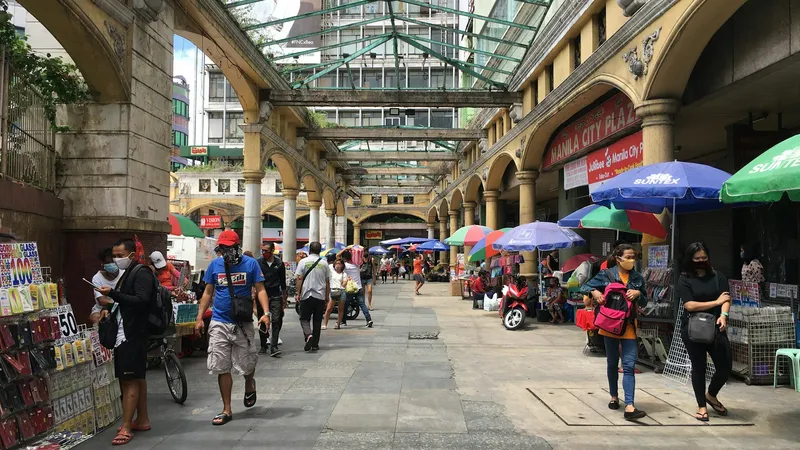
While more relaxed than East Asia, reputable schools in 2026 still have strict standards to maintain their accreditation.
- Bachelor’s Degree Required for the 9(g) work visa. However, you may be able to teach on an SWP with just a TEFL certificate in some language centers.
- 120-Hour TEFL Certificate Highly Recommended. Since locals speak English, your value comes from knowing how to teach it. A myTEFL cert proves this skill.
- Native English Speaker Strongly preferred. Schools hire foreigners specifically for the "native" accent. Non-natives with neutral accents can find work but at lower rates.
- Professional Dress Filipino work culture is formal. Teachers are expected to dress professionally (collared shirts, slacks/skirts) even in the tropical heat.
Working hours & Island Time
Hiring Season: Year-round. Because ESL centers operate continuously (even in summer/winter for camps), there is no specific "hiring season" like in public schools.
"Filipino Time"
Socially, being late is common. However, professionally, it is not tolerated. Schools expect you to be punctual. Traffic in Manila is legendary, so you must plan your commute accordingly.
ESL Centers often require 8:00 AM to 5:00 PM schedules with a mix of 1:1 classes and small group activities. You will likely teach 6-8 hours a day, which is intensive. However, weekends are almost always free to hop on a bus or ferry to a nearby beach.
Cost of living & Savings in the Philippines
Your lifestyle dictates your budget. Local street food (Adobo, Sisig) costs $1-$2. Western restaurant meals cost $10-$15. If you live like a local, it is incredibly cheap. If you need imported goods and AC running 24/7, costs rise quickly.
Housing Costs: In Manila (BGC/Makati), a nice studio is 25,000 PHP ($450). In Cebu or Baguio, the same quality is 15,000 PHP ($270). Electricity is surprisingly expensive in the Philippines, often costing more than in neighboring countries due to infrastructure issues.
Rental Practice: The standard is "1 Month Advance + 2 Months Deposit." Be prepared to pay 3 months of rent upfront to move in.
Monthly Budget (Single Teacher)
| Rent (Condo) | $250 - $500 |
| Utilities (Elec/Water) | $60 - $100 |
| Food & Dining | $200 - $350 |
| Transport (Grab/Local) | $30 - $60 |
| Leisure/Travel | $150 - $250 |
Where to teach English in the Philippines?
With 7,000+ islands, the choice is vast. However, most TEFL jobs are concentrated in three key hubs.
Metro Manila
The chaotic, vibrant heart of the country. Best for corporate jobs and International Schools. High cost of living, but endless nightlife and shopping.
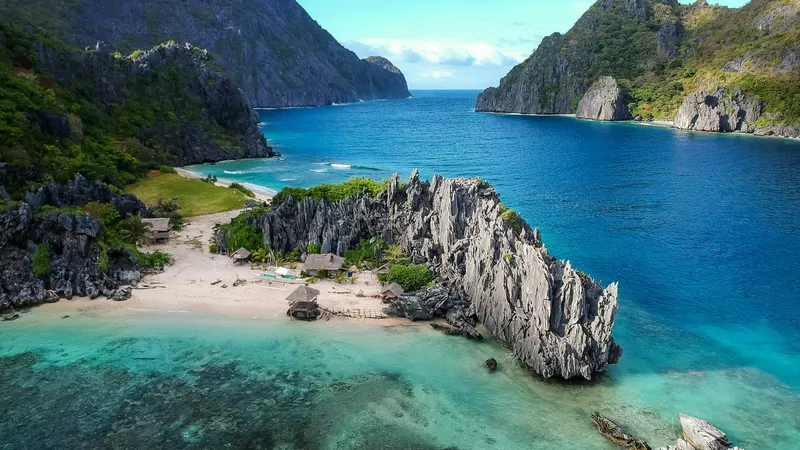
Cebu (Queen City)
The ESL capital. Hundreds of language schools cater to Asian students. A perfect mix of city convenience and world-class beaches just an hour away.
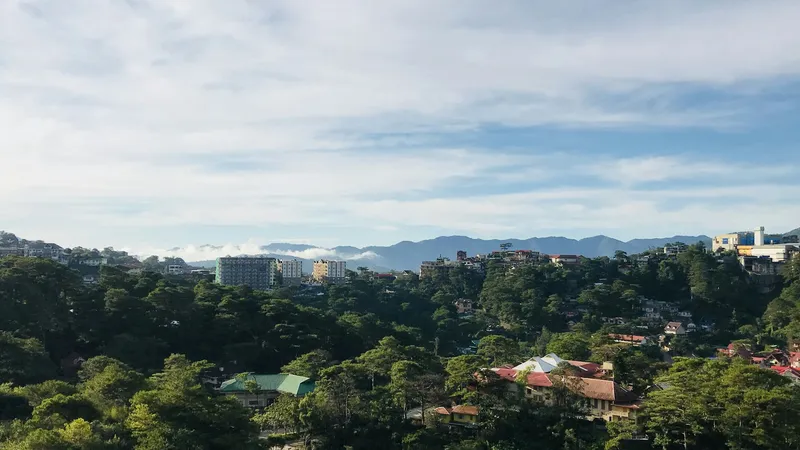
Baguio City
The "Summer Capital" in the mountains. Cool weather (no AC needed!), academic vibe, and very affordable. A hub for Korean ESL students.
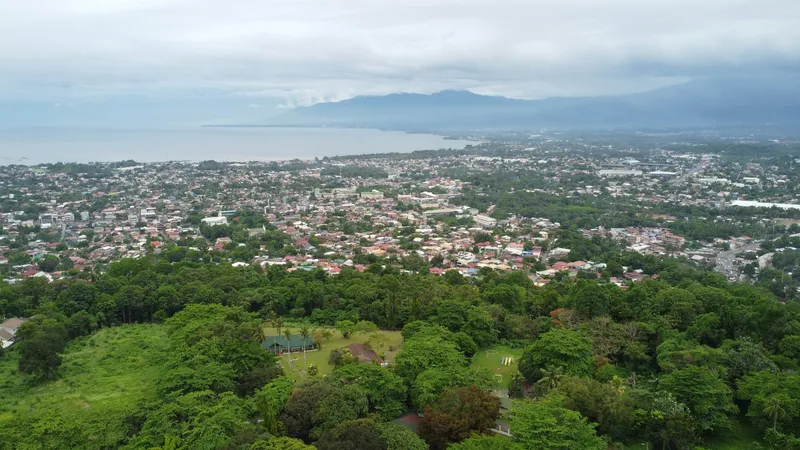
Clark & Angeles
Former US airbase turned economic zone. Very westernized, large expat community, and home to many international aviation and language schools.
How to get a job in the Philippines
Because the Philippines allows you to convert a Tourist Visa to a Work Permit (SWP) after arrival, most teachers find the best jobs by interviewing in person in Cebu or Manila. To secure a high salary, you need to prove you offer more than just fluency.
Get Your 120-Hour Certificate
In a country of English speakers, your edge is methodology. A myTEFL 120-hour certificate proves you are trained in Business English and IELTS prep—the two highest-paying niches in the country.
- SWP Approved: Accepted for work permits.
- Niche Skills: Learn to teach IELTS & Biz English.
- Hard Copy: We ship your cert worldwide.
- Lifetime Access: Refresh your skills anytime.
Frequently Asked Questions
Crucial info for the 2026 Philippines TEFL market.