

Teach English in South Korea
The Ultimate 2026 Guide to EPIK, Hagwons, and the E-2 Visa Process.
South Korea is the heavy hitter of the TEFL world. For decades, it has offered the best balance of high savings potential and modern living standards. Whether you want the stability of the government's EPIK program or the higher salary of a private "Hagwon" academy, Korea remains the top choice for first-time teachers in 2026.
The market is fast-paced. Private academies hire year-round, while the public school intake is strictly seasonal. Regardless of your choice, the E-2 Teaching Visa is your golden ticket. To secure it, you need a Bachelor's degree and clean documents. A myTEFL 120-hour certificate is crucial here—it is the standard qualification used to determine your pay grade on the government salary scale.
This guide cuts through the noise. We explain the "Pali-Pali" (hurry, hurry) culture, the strict drug testing laws, and how our placement team helps you avoid "black list" schools to ensure your year in Korea is safe and profitable.
Quick Facts
What’s in this guide?
A complete roadmap to the Korean peninsula. From the intricacies of the E-2 visa to the "Jeonse" housing system.

The TEFL jobs market in Korea
South Korea is arguably the most streamlined market for English teachers. In 2026, the demand remains robust, particularly in the private sector. The defining feature of the Korean market is the provided housing. Unlike Japan or Europe, almost every contract in Korea includes a rent-free apartment, which is the secret to the high savings potential.
The market is split in two. EPIK (English Program in Korea) places teachers in public schools. It is competitive, bureaucratic, and hires only twice a year. Hagwons (Private Academies) are businesses that focus on after-school education. They pay more, hire year-round, but expect higher energy and customer service.
Warning: The Korean government is extremely strict about paperwork. Your criminal record check must be apostilled, and your degree must be notarized. One mistake can delay your E-2 visa by weeks. This is why having a placement agency review your dossier is invaluable.
- Population: 51 million
- Language(s): Korean (Hangul)
- Currency: South Korean Won (KRW)
- Capital city: Seoul
- Estimated salary: 2.3 - 3.0 Million KRW
- Public Holidays: ~15 days (Red Days)
- Climate: Humid Summer / Cold Winter
- Main Transport: KTX & Subway
- Internet: Fastest in the World
Types of English teaching jobs in Korea
The "Big Two" dominate the landscape: Public School stability or Private Academy salary.
EPIK (Public School)
The government program. You are placed in a public school with a Korean co-teacher. Very stable, more vacation days, but lower starting salary.
Hagwon (Private)
For-profit academies. Smaller classes (8-12 students), higher pay, and urban locations. You teach solo and the pace is much faster.
University Jobs
The "Unicorn" jobs. Requires a Master's degree and usually 2+ years of university teaching experience. Lowest teaching hours (12-14/week).
Adult/Biz English
Teaching corporate executives or adults in Gangnam/Seoul. Often involves "split shifts" (early morning + evening) but pays very well.
TEFL teacher salary in Korea
In 2026, the standard starting salary for a first-year teacher is 2.3 million to 2.5 million KRW ($1,700 - $1,900 USD). While this number might look lower than Japan on paper, the "Free Housing" benefit makes it much more valuable.
Your school pays your rent. This saves you roughly 600,000 - 900,000 KRW per month. You also receive a "Severance Pay" bonus (one extra month of salary) upon completing your 12-month contract, and often a flight allowance or prepaid ticket.
Because your fixed costs are so low (no rent, cheap food, cheap transport), it is standard for teachers to save $1,000 USD (approx 1.3m KRW) per month without living frugally.
Monthly Salary Range (KRW)
| EPIK (Level 2 - Entry) | 2.2m - 2.3m |
| Hagwon (Afternoon) | 2.4m - 2.7m |
| Hagwon (Experience) | 2.8m - 3.1m |
| Housing Value | 500k - 900k (Free) |
| Severance Bonus | ~2.4m (End of Year) |
The E-2 Visa & Documents
The E-2 (Foreign Language Instructor) Visa is the standard for 95% of teachers. It is tied to your employer, meaning if you quit your job, you lose your visa.
In 2026, the document gathering process is the hardest part of the journey. You must obtain a federal-level criminal background check (FBI/RCMP/etc.) and have it Apostilled (internationally authenticated). This process can take 6-10 weeks. You also need your University Degree notarized and Apostilled.
The "Visa Issuance Number" (VIN)
Once your documents are in Korea, immigration issues a VIN. You take this number to the Korean consulate in your home country, and they issue the visa into your passport in just 3-5 days. It's fast at the end, but slow at the start!
Note on Drug Testing: Upon arrival in Korea, you must undergo a mandatory health check at a designated hospital. This includes a drug test. Traces of marijuana (even if legal in your home state/country) will result in immediate visa cancellation and deportation.
Requirements to teach English in Korea
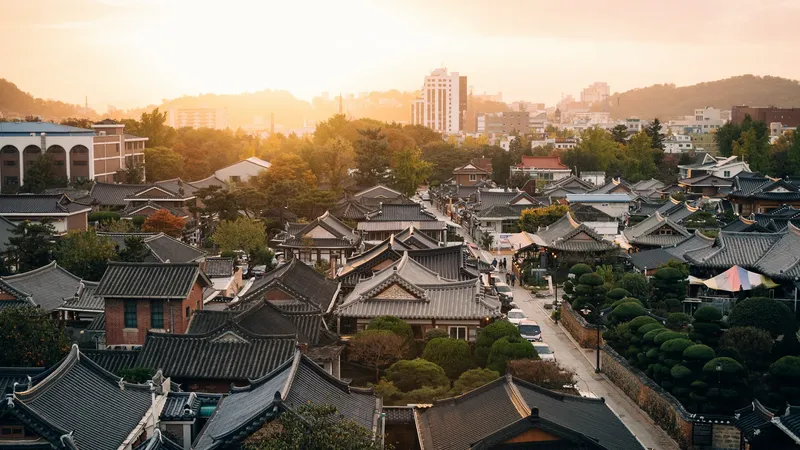
Korea is bureaucratic. There are no exceptions to these rules for the E-2 visa.
- Bachelor’s Degree (Any Subject) A mandatory requirement. You must have the physical diploma (or a notarized copy) ready to send to Korea.
- 120-Hour TEFL Certificate Crucial for EPIK. Without a TEFL, you will not qualify for the standard pay grade. It is also highly preferred by top-tier Hagwons.
- Clean Criminal Record (Apostilled) Your background check must be spotlessly clean. No misdemeanors, no DUIs. It must be less than 6 months old upon arrival.
- Citizenship You must hold a passport from one of the 7 designated English-speaking countries (USA, UK, CAN, IRE, AUS, NZ, SA).
Term times and working hours in Korea
EPIK Intake: The main intakes are February (Spring Semester) and August (Fall Semester). You must apply 4-6 months in advance.
Hagwon Intake: Year-round. The peak hiring months are February, May, August, and November, but jobs open every single month.
Red Days (Public Holidays)
Korea has roughly 15 "Red Days" per year, including Chuseok (Korean Thanksgiving) and Seollal (Lunar New Year), which are typically 3-day family holidays.
Hagwon hours are typically 1:00 PM to 9:00 PM. This "late start" allows you to sleep in, go to the gym, or run errands in the morning when the city is quiet. EPIK jobs follow a standard 8:30 AM to 4:30 PM schedule, which is better if you want your evenings free for social dinners.
Cost of living & Savings in Korea
Seoul is a modern metropolis, but the cost of living for a teacher is surprisingly low because rent is removed from the equation.
A restaurant meal (Bibimbap or Kimchi Jjigae) costs $6-8. A subway ride is $1.20. Your main expenses will be social: coffee ($4), craft beer ($6), and weekend trips ($50 KTX train to Busan).
Utility bills (Gas/Electric) can spike in winter (floor heating is amazing but pricey) and summer (AC), averaging $80-$120/month. Internet is usually $30 for gigabit speeds. Because you don't pay rent or a massive "Key Money" deposit (often $10k+ for locals), your disposable income is high.
Monthly Budget (Single Teacher)
| Rent (Officetel) | $0 (Paid by School) |
| Utilities & Phone | $100 - $150 |
| Food & Dining | $400 - $550 |
| Transport | $50 - $80 |
| Entertainment/Soju | $250 - $400 |
Where to teach English in Korea?
Korea is small and connected. You can get from the top (Seoul) to the bottom (Busan) in just 2.5 hours on the KTX bullet train.
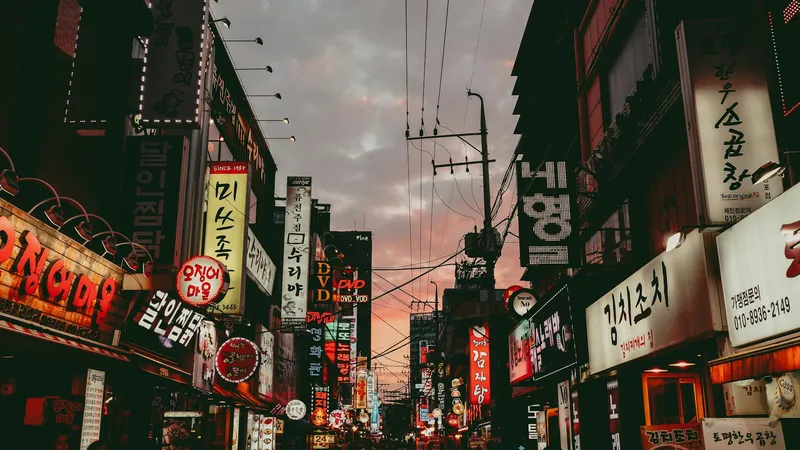
Seoul (The Soul)
The heartbeat of the country. Infinite nightlife, history, and convenience. Highly competitive for jobs; expect smaller apartments.

Busan (The Coast)
Korea's second city. Famous for Haeundae Beach, seafood, and a grittier, more relaxed vibe than Seoul. Rent-free apartments are often larger here.
Jeju Island (Hawaii of Korea)
A volcanic island south of the mainland. Palm trees, mandarins, and a distinct island culture. Very competitive EPIK placements.
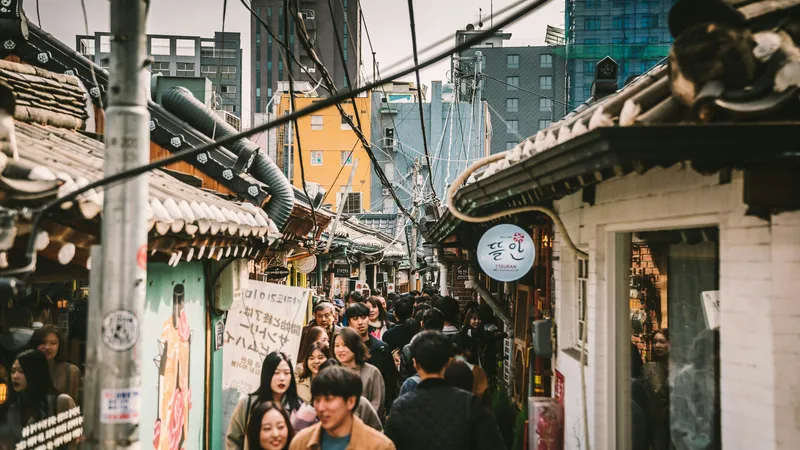
Daegu & Daejeon
Major hubs with massive expat communities. Costs are lower than Seoul, meaning your savings go further. Great transit connections.
How to get a job in Korea
The document process (Apostilles) is the biggest hurdle. Start collecting your papers 4-5 months before you want to fly.
The Independent Route
For those who love paperwork. You source your own recruiters, manage your own Apostilles, and apply directly to EPIK or Hagwon chains.
- Recruiters: Use job boards to find agents.
- Recognition: myTEFL is accepted for EPIK pay bumps.
- Logistics: You handle the embassy trips yourself.
myTEFL Job Placement
The safe path. We check your documents, fix your resume, and connect you with trusted schools that pay on time.
- Vetted Schools: No "midnight run" horror stories.
- Visa Guide: Step-by-step help with Apostilles.
- Interview Prep: We prep you for the Korean interview style.
Frequently Asked Questions
Crucial data for the 2026 South Korea teaching landscape.